






















Strategic Decentralization: The Economic Impact of Ethereum on the European iGaming Sector
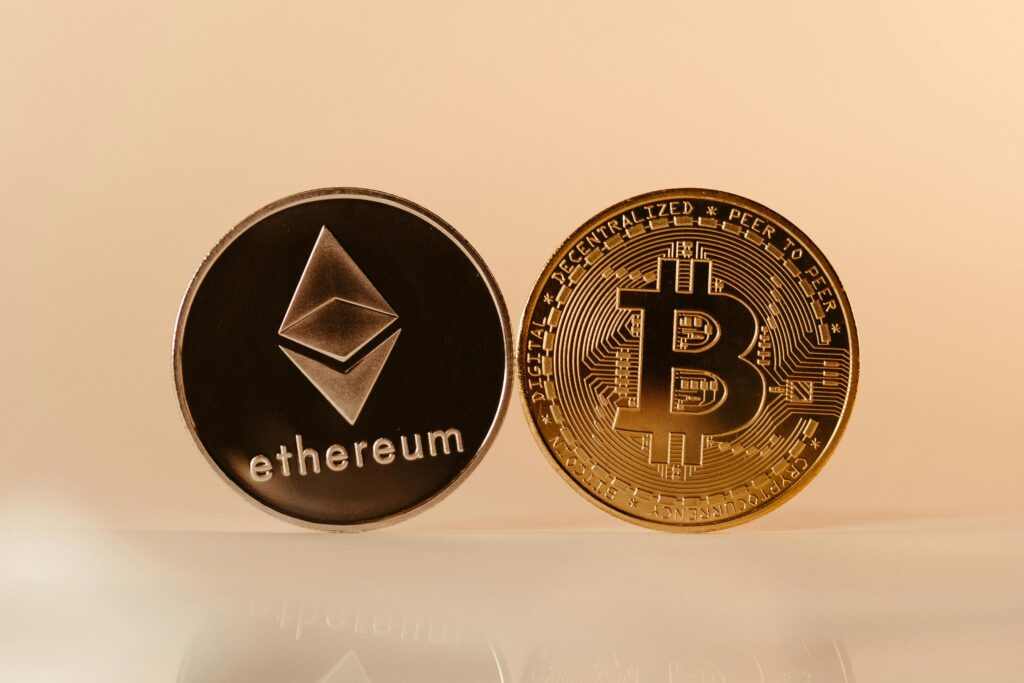
For the executive audience of European Business Magazine, the conversation surrounding digital assets has shifted from “if” to “how.” In the first quarter of 2026, the primary driver of this evolution isn’t market volatility, but the structural integration of Ethereum’s smart contract architecture into high-volume industries. Nowhere is this more evident than in the European iGaming market, where blockchain is no longer a peripheral experiment but a core competitive advantage.
I get it—the term “crypto gambling” often carries a legacy of unregulated risk. However, for a business leader looking at the data, the transition to Ethereum represents a flight to transparency. We are moving away from the “black box” models of traditional operators toward a verifiably fair infrastructure. In a region where the European Commission is actively fostering a pro-innovation legal framework for crypto-assets (MiCA), the adoption of decentralized ledgers is a calculated move to reduce operational friction and enhance auditability.
To understand the practical application of these protocols, one only needs to look at the community-vetted consensus. Technical discussions, such as those found in the search for the best ethereum casino, highlight a clear market preference for platforms that prioritize smart-contract-led payouts and biometric-linked security over legacy manual processing.
The 2026 Technical Standard: Scaling and Security
For the European enterprise, the viability of Ethereum-based platforms rests on two pillars: liquidity and compliance.
1. Layer-2 Efficiency
The high gas fees that once plagued the Ethereum mainnet have been effectively neutralized by the widespread adoption of Layer-2 (L2) rollups like Arbitrum and Polygon. These scaling solutions allow operators to process thousands of transactions per second with sub-cent costs. For a European business, this means the ability to offer near-instant settlement—a feature that traditional SEPA transfers simply cannot match.
2. Zero-Knowledge (ZK) Compliance
The tension between the EU’s General Data Protection Regulation (GDPR) and the transparency of a public blockchain is being solved through Zero-Knowledge proofs. ZK-proofs allow users to verify their age, residency, and AML status without ever revealing their private identity on the ledger. This “Zero-Trust” architecture is rapidly becoming the gold standard for high-risk business sectors across the continent.
3. Smart Contract Automation
Traditional iGaming relies on human intervention for win validation and withdrawal approval—the ultimate bottleneck. In 2026, the top-performing platforms have automated these workflows entirely. When a game result is recorded on the blockchain, the smart contract executes the payout autonomously.
Economic Outlook: Why iGaming is the Blockchain Sandbox
The reason European business leaders should watch this sector closely is simple: iGaming is the world’s most intense testing ground for high-frequency micro-transactions.
- Operational Overhead: By eliminating financial intermediaries, operators can reduce their transaction costs by up to 15%.
- Market Reach: Ethereum allows European firms to engage with a global audience without the complexities of cross-border currency conversion or correspondent banking delays.
- Trust Capital: In an industry historically burdened by skepticism, “Provably Fair” algorithms (math-backed fairness) are the ultimate marketing tool for building long-term brand equity.
The Bottom Line
In 2026, the most successful European businesses are those that treat blockchain as a utility, not a speculative asset. The move toward Ethereum in the iGaming space is a roadmap for how other sectors—from supply chain to real estate—will eventually handle high-velocity capital.
If your organization is still operating with the “latency” of 2020, you aren’t just slow; you are providing an opening for decentralized competitors to disrupt your market share.
The post Strategic Decentralization: The Economic Impact of Ethereum on the European iGaming Sector appeared first on European Business & Finance Magazine.