





































Startup Emergent AI Raises One The Fastest Back-To-Back Raises In AI history

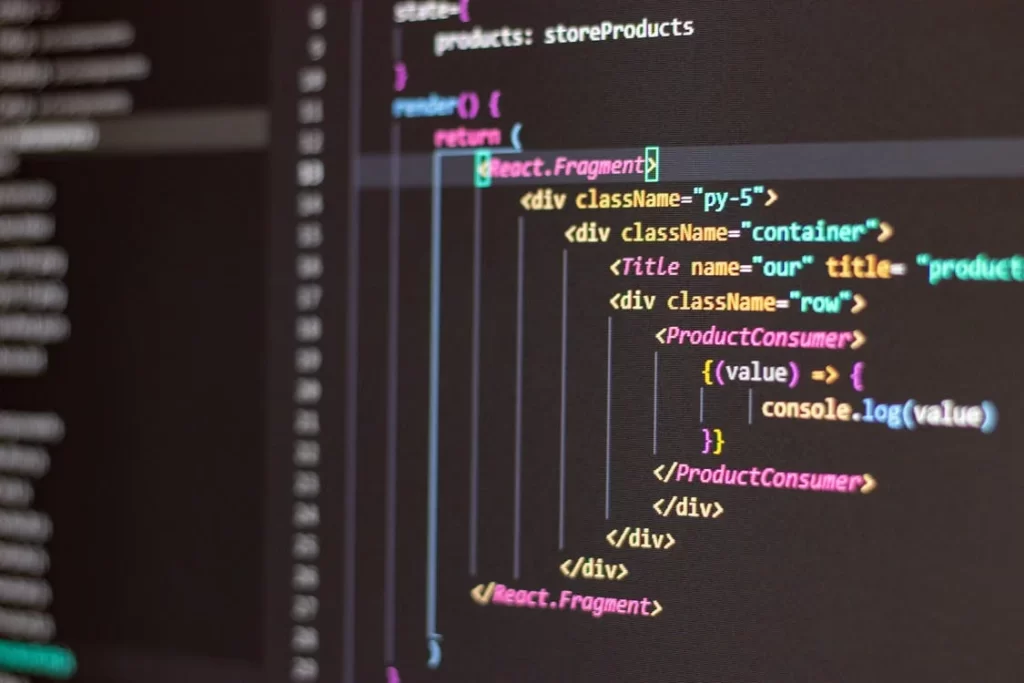
Khosla and SoftBank back platform that slashed custom software costs from £150K to £800, with one in four users now European as UK SMEs race to adopt AI amid tech sector headwinds
Emergent AI, the San Francisco-based platform enabling anyone to build production-ready software without writing code, has closed a $70 million Series B funding round just three months after its Series A—one of the fastest back-to-back raises in AI history. The deal, led by Khosla Ventures and SoftBank Vision Fund 2, values the seven-month-old company at approximately $300 million and underscores explosive demand for tools democratising software creation across global markets, particularly in Europe where the startup is experiencing remarkable traction.
The funding arrives as Emergent reports $50 million in annual recurring revenue after launching in mid-2025, with projections to hit $100 million ARR by April 2026. More than 5 million users across 190 countries have built over 6 million applications on the platform—not prototypes, but actual production software complete with databases, payment systems and user authentication. Total funding now stands at $100 million in just six months of operation, attracting backing from Y Combinator, Prosus, Lightspeed, Together, and Google’s AI Futures Fund.
The ‘Vibe Coding’ Phenomenon Reshaping Software Development
Google CEO Sundar Pichai labelled this approach “vibe coding”—a term Collins Dictionary crowned Word of 2025—describing how natural language prompts replace traditional programming. “It makes development more approachable and exciting again,” Pichai stated, articulating why millions are embracing AI tools that eliminate technical barriers historically gatekeeping software creation.
Emergent functions as a complete development team, deploying autonomous AI agents that design, build, test and scale software end-to-end. Users describe desired functionality in conversational language; the platform interprets intent, generates full-stack web and mobile applications, scans code for bugs, fixes issues automatically, and integrates payment processing through Stripe and similar providers. The result: production-grade software built in hours rather than months, at costs plummeting from six-figure custom development budgets to platform subscription fees.
“We’re seeing millions of people build and ship real businesses, workflows and products in days,” said co-founder and CEO Mukund Jha. “Software creation is undergoing a structural shift. It used to be that only people with technical training or capital could turn ideas into real products. Emergent flips that model.”
Europe Emerges as Critical Growth Market
While headquartered in San Francisco with substantial operations in India, Emergent’s second-largest market is Europe—where one in four new users originate. The company is actively expanding London operations and regional presence, capitalising on demand from UK businesses facing pressure to adopt AI capabilities while navigating broader technology sector headwinds including talent shortages, post-Brexit regulatory complexity and economic uncertainty.
The economics prove particularly compelling for British SMEs. Custom software development traditionally costing £150,000 now runs approximately £800 through Emergent’s platform—a 99.5% cost reduction that unlocks entirely new possibilities for small businesses, solo entrepreneurs and startups previously priced out of bespoke technology solutions. A jewellery store owner in Michigan built multi-location pricing software and now sells it to other jewelers; a wheelchair logistics company replaced spreadsheets with custom inventory management; individuals with chronic conditions created personal health tracking apps after commercial options fell short.
“Emergent is tapping into a segment that has never been served,” said Vinod Khosla, founder of Khosla Ventures. “When barriers to software creation fall this quickly, behaviour changes across industries, not just within the technology sector. Emergent is early in shaping how software gets created and monetised over the next decade.”
The Canva Parallel: Democratising Complex Creation
Industry observers draw comparisons to Canva’s design revolution—empowering non-designers to produce professional graphics without Adobe Creative Suite mastery. Emergent applies identical logic to software: eliminating specialist knowledge requirements while maintaining output quality sufficient for commercial deployment. The platform doesn’t merely generate demos or mockups; it produces monetisation-ready applications that handle real transactions, manage authentic user data and scale under production loads.
This capability addresses 2026’s entrepreneurial surge, with one in three US adults planning new businesses or side hustles within twelve months according to recent surveys. European markets show similar patterns as economic pressures drive innovation and self-employment exploration. Technical barriers—long development cycles, six-figure budgets, limited engineering talent—historically gatekept software entrepreneurship. Emergent’s elimination of these constraints unlocks latent creativity across demographics previously excluded from technology ventures.
Investor Confidence Reflects Structural Market Shift
The Series B’s rapid closure signals investor conviction that “vibe coding” represents fundamental transformation rather than transient trend. SoftBank Vision Fund 2, known for selective AI bets amid cautious 2026 market conditions, identified Emergent as embodying scalable impact. Partner Sarthak Misra emphasised the platform “unlocks a massive wave of entrepreneurship by removing technical and capital barriers that have historically limited who can build software.”
Khosla Ventures’ participation reinforces this thesis. The firm’s portfolio prioritises ventures reshaping entire sectors through accessibility improvements—precisely Emergent’s value proposition. The company’s trajectory from zero to $50 million ARR in under twelve months, with projections doubling that by April, demonstrates execution velocity rarely achieved even among heavily-funded AI unicorns.
The funding will fuel team expansion, accelerated product development and geographic market penetration as demand scales globally. For European businesses particularly, Emergent represents strategic opportunity: accessing sophisticated technology capabilities without prohibitive costs or talent constraints that increasingly define Continental competitiveness challenges.
As 2026 shapes up as “the year of the entrepreneur” according to Emergent’s announcement, platforms eliminating traditional gatekeepers—whether technical, financial or educational—will determine which ideas become viable businesses. For UK SMEs seeking competitive advantages through digital transformation without venture-scale budgets, Emergent’s £800 custom software proposition may prove the difference between conceptualising innovation and actually shipping it.
Further Reading:
- Beyond the AI Behemoths: Market Broadening Signals Diversification – European Business Magazine, January 2026
- Gunboat vs Supertanker: Trump’s Tariff Escalation Dominance – European Business Magazine, January 2026
- Chinese Automakers Target UK Market with EV Ambitions – European Business Magazine, January 2026
- EDF Learns from China’s Nuclear Construction Revolution – European Business Magazine, January 2026
- Trump Threatens 200% French Wine Tariffs – European Business Magazine, January 2026
The post Startup Emergent AI Raises One The Fastest Back-To-Back Raises In AI history appeared first on European Business & Finance Magazine.