



























Spain’s Moeve Just Bet €3 Billion on Green Hydrogen. While Everyone Else Is Pulling Back
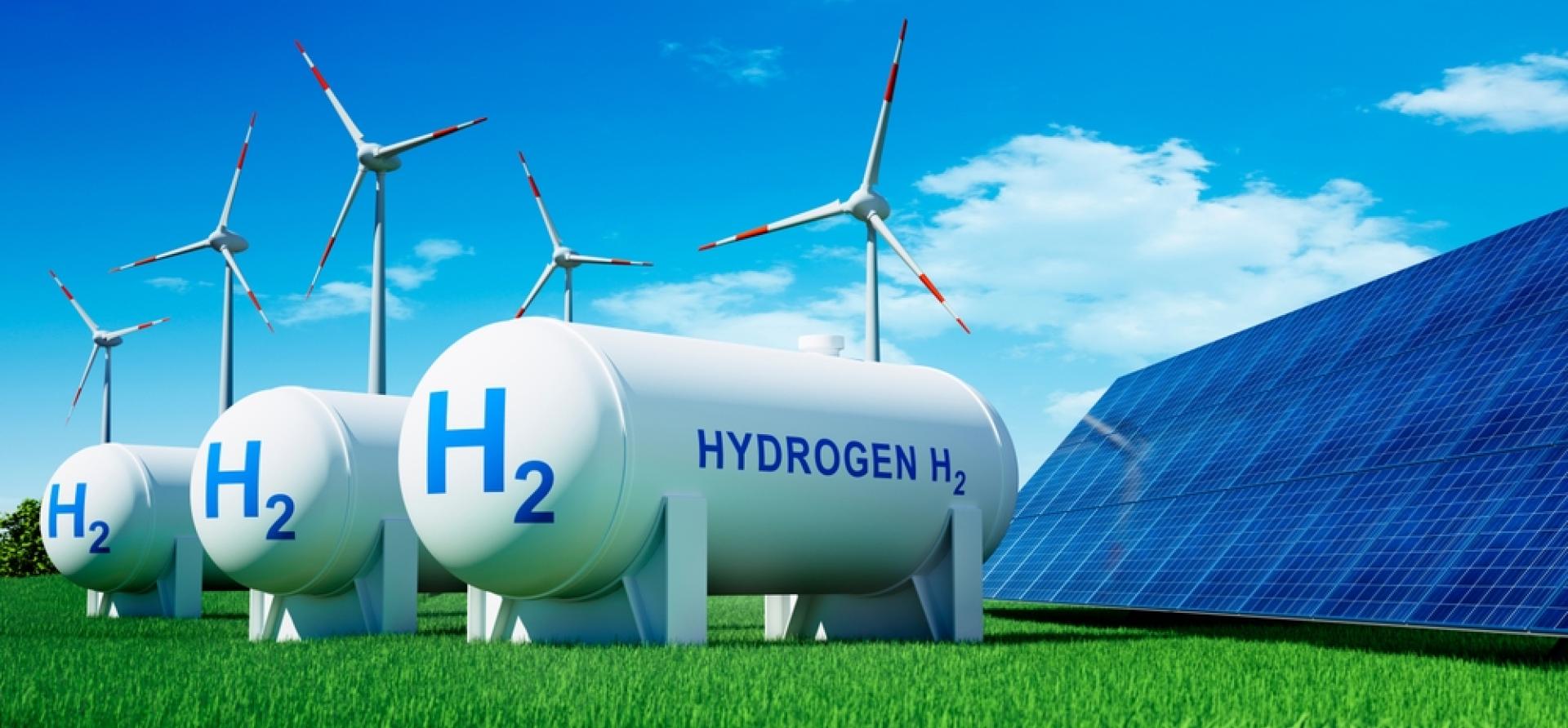
Quick Answer: Moeve (formerly Cepsa) is preparing to break ground on the Andalusian Green Hydrogen Valley, Europe’s largest green hydrogen project. With a total investment of over €3 billion, the project will deliver 2GW of electrolysis capacity across two plants in Huelva and Cádiz, producing up to 300,000 tonnes of green hydrogen annually. The first 400MW phase received €304 million in EU NextGenerationEU funding and is expected to start operations in 2026, with full capacity by 2028.
Most of Europe’s green hydrogen promises are quietly dying. Projects are being delayed, scaled back or cancelled as subsidies dry up, costs overshoot and demand fails to materialise. But in southern Spain, one company is doing the opposite.
Moeve, the Spanish energy group formerly known as Cepsa, is preparing to start construction on the Andalusian Green Hydrogen Valley — a €3 billion project that will make it the largest green hydrogen facility in Europe when completed. While BP scaled back its Castellón hydrogen plans and Shell pulled out of several European projects in 2024, Moeve secured the single largest individual grant from Spain’s PERTE ERHA programme: €304 million in EU NextGenerationEU funds for the first phase alone.
The timing is deliberate. Europe’s clean energy investment has accelerated despite political headwinds, and Moeve’s CEO Maarten Wetselaar told Reuters the company now has the regulatory certainty it needed to commit. The rejection by Spain’s parliament of a proposed windfall tax extension on energy firms removed the last major obstacle.
What Moeve Is Building
The project spans two sites in Andalusia. The first plant, codenamed Onuba, is a 400MW electrolyser at Palos de la Frontera near Huelva, due to begin operations in 2026 and reach full capacity by 2028. The second, at San Roque in Cádiz, adds a further 1.6GW and is targeted for 2027. Combined, the two facilities will produce up to 300,000 tonnes of green hydrogen per year — enough to prevent an estimated six million tonnes of CO2 emissions annually.
The hydrogen will feed Moeve’s own refineries, supply third-party industrial customers and produce derivative products including green ammonia and green methanol for maritime and aviation fuel. Moeve has already signed storage agreements with Evos for green methanol at Algeciras and Rotterdam, and partnered with the Port of Rotterdam to create the first green hydrogen corridor linking southern and northern Europe.
Andalusia is not an accidental choice. The region already consumes 40 per cent of Spain’s hydrogen and offers abundant solar and wind resources, extensive port infrastructure and available land — a combination that makes it one of the most competitive locations in the world for hydrogen production.
Why It Matters Beyond Spain
The European Commission has designated the project as one of its Projects of Common Interest, a status that opens access to further EU funding and signals strategic importance for the continent’s energy security. Spain’s updated national energy plan targets 12GW of electrolyser capacity by 2030, and the broader push for European energy independence now extends well beyond electricity into industrial fuels and transport.
A study commissioned by Moeve and Manpower estimates that green hydrogen and biofuels will create 1.7 million jobs across the EU and add €145 billion to European GDP by 2040. Spain already leads Europe with 181,000 jobs in the green molecules sector — more than any other member state.
For investors tracking Europe’s capital reallocation toward clean energy infrastructure, Moeve’s project represents the clearest test of whether green hydrogen can move from subsidy-dependent pilot to commercially viable industry. The first phase alone will generate an estimated 10,000 direct, indirect and induced jobs in a region where the energy transition is reshaping local economies.
Everybody else is hedging. Moeve is building.
Frequently Asked Questions
Who is Moeve and why did they change their name from Cepsa? Moeve is the rebranded identity of Cepsa, one of Spain’s largest energy companies. The name change reflects the company’s strategic pivot toward renewable energy, green hydrogen and biofuels. Moeve is majority-owned by Mubadala, Abu Dhabi’s sovereign wealth fund, and the Carlyle Group. The rebrand was designed to signal a break from its fossil fuel legacy as it invests over €3 billion in green hydrogen and €1.2 billion in a second-generation biofuels plant in Huelva.
Is green hydrogen commercially viable yet? Not at scale, which is why most European projects are being delayed. Current production costs for green hydrogen remain two to three times higher than grey hydrogen produced from natural gas. Moeve’s bet is that EU subsidies, carbon pricing, regulatory mandates under the RED III directive and offtake agreements with industrial buyers will close the gap by 2028. The €304 million in public funding for the first phase significantly reduces the capital risk, and Spain’s abundant renewable energy makes its production costs among the lowest in Europe.
The post Spain’s Moeve Just Bet €3 Billion on Green Hydrogen. While Everyone Else Is Pulling Back appeared first on European Business & Finance Magazine.