





















South Korean Stocks Plunge 12% in Worst Crash Ever as Iran War Hammers Asia
The world’s hottest stock market just had its worst session ever. Energy dependence, concentration risk, and a holiday weekend created the perfect storm.
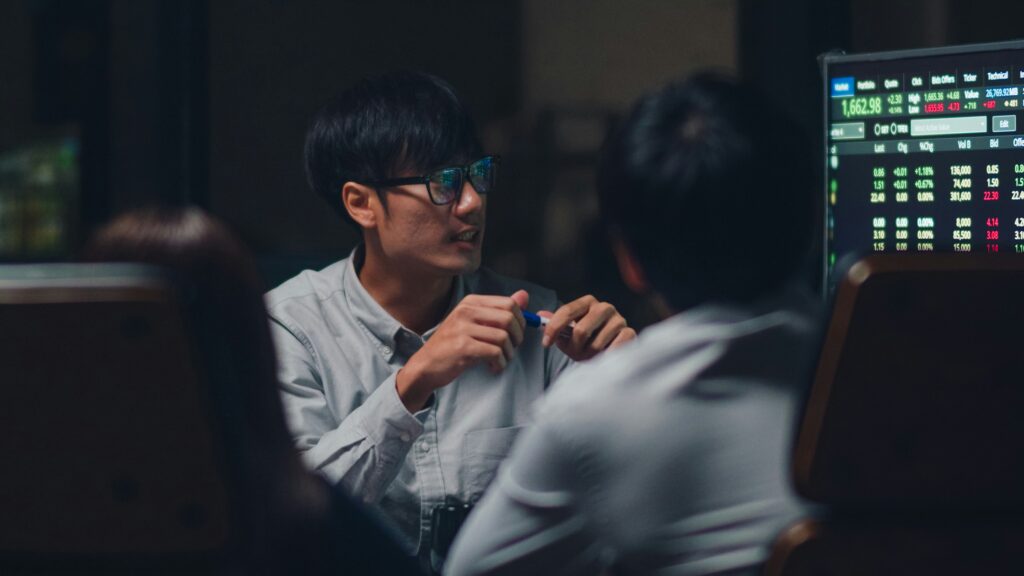
South Korea’s KOSPI index plunged 12.1% on Wednesday, eclipsing even the 12.02% single-day crash triggered by the September 11 attacks in 2001. It was the worst session in the benchmark’s history. Circuit breakers were triggered within minutes of the open. Of more than 800 stocks on the index, just 10 finished in the green.
The rout followed a 7.2% decline on Tuesday, making this the worst two-day stretch for Korean equities in decades. The tech-heavy KOSDAQ fared even worse, dropping 14%. Samsung Electronics fell 11.7%. SK Hynix lost 9.6%. Shipping stocks Pan Ocean, HMM, and KSS Line collapsed between 16 and 19%. The won slid to 1,466 per dollar. Foreign investors dumped more than $3 billion in a single session (for more on how the Iran conflict is reshaping global markets, see our coverage here).
Why Korea, and why this badly?
Three structural vulnerabilities converged at once.
First, energy dependence. South Korea imports approximately 98% of its fossil fuels, with around 70% of its crude sourced from the Middle East — much of it transiting the Strait of Hormuz. When Iran’s Revolutionary Guard declared the strait closed and threatened to target any vessel attempting passage, Korea’s energy supply chain was immediately at risk. Higher oil does not just raise input costs for Korean manufacturers — it compresses margins across the entire export-driven economy. Hyundai Research Institute estimates that sustained $100 crude could shave 0.3 percentage points off 2026 GDP growth and add 1.1 points to inflation (our earlier analysis of European energy exposure draws similar conclusions).
Second, concentration risk. The KOSPI’s extraordinary 2026 rally — up more than 40% in the first two months of the year, with an all-time high above 6,347 in late February — was overwhelmingly driven by semiconductor heavyweights riding the AI boom. Samsung and SK Hynix together accounted for a disproportionate share of index gains. When sentiment turned, the same concentration that powered the rally amplified the selloff. As Lorraine Tan of Morningstar noted, the decline is broadly attributable to the single-name concentration in Korean markets (our piece on whether the AI trade has peaked explores this dynamic).
Third, timing. Markets were closed on Monday for Independence Movement Day. When trading resumed on Tuesday, two days of pent-up global selling hit simultaneously. By Wednesday, the cascade was self-reinforcing — margin calls, foreign outflows, and algorithmic selling feeding on each other.
The broader Asian picture
Korea was the epicentre, but not alone. Japan’s Nikkei 225 dropped 3.9%. The KOSDAQ’s 14% fall triggered its own circuit breaker. Across the region, energy-importing economies bore the brunt while the US — a net energy exporter — saw comparatively muted declines of around 1% (see how European markets have also tumbled as energy prices double).
Trump’s announcement that the US Navy would escort tankers through the Strait of Hormuz offered partial relief, but analysts cautioned that insurance costs alone could add $5-15 per barrel regardless of military escorts. The war premium is not going away.
Is this a buying opportunity or the start of something worse?
The structural case for Korean semiconductors has not changed. AI-driven memory demand, Samsung and SK Hynix capacity expansions, and the global compute buildout remain intact. What has changed is the risk premium attached to an economy that runs a massive trade surplus on chips but remains critically exposed to imported energy (our guide to the defence stocks benefiting from this conflict provides the other side of the trade).
If the Iran conflict stays contained and oil settles below $85, expect a sharp rebound. If it drags on for the month Trump has signalled — and the Strait of Hormuz remains effectively closed — the correction has further to run. The KOSPI’s record-breaking crash is not necessarily the end of the bull market. But it is proof that no rally, however powerful, is immune to geopolitics.
FAQ
Why did South Korea’s stock market crash harder than other countries?
South Korea imports approximately 98% of its fossil fuels and sources around 70% of its crude from the Middle East via the Strait of Hormuz. The KOSPI was also heavily concentrated in semiconductor stocks that had driven a 40%+ rally in early 2026, meaning the index was unusually vulnerable to a sharp reversal when sentiment shifted. A public holiday on Monday compounded the damage by concentrating two days of global selling into a single session.
Will the KOSPI recover from the Iran war selloff?
The structural drivers behind Korea’s semiconductor boom — AI demand, memory chip expansion, and global compute investment — have not fundamentally changed. However, the speed and scale of any recovery depends on the duration of the Iran conflict, whether the Strait of Hormuz reopens to normal shipping, and how far oil prices rise. Analysts suggest that if crude settles below $85 and the conflict remains contained, a rebound is likely. A prolonged war would extend the correction.
The post South Korean Stocks Plunge 12% in Worst Crash Ever as Iran War Hammers Asia appeared first on European Business & Finance Magazine.