

































Singapore Court Hands Down Longest Prison Sentences in Wirecard Fraud Scandal
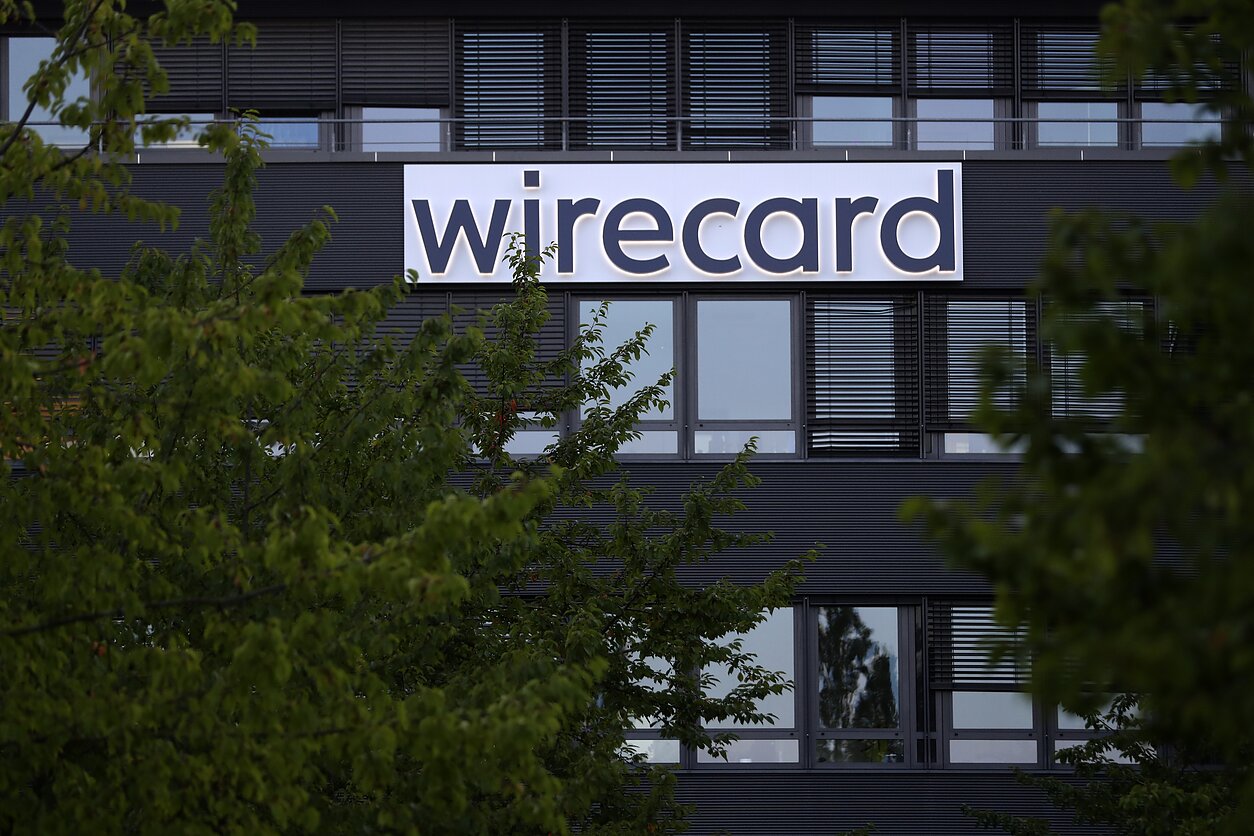
Two businessmen were handed the longest prison sentences to date connected to the collapse of Wirecard, one of Europe’s biggest accounting frauds, by a Singapore judge on Tuesday—marking a significant escalation in efforts to hold individuals criminally accountable for a scandal that exposed systemic failures in corporate governance and audit oversight.
James Henry O’Sullivan, a 51-year-old British national, and Shan Rajaratnam, a 59-year-old Singaporean, were found guilty in September of falsifying documents to trick auditor EY into thinking the German fintech start-up had hundreds of millions of euros in accounts. O’Sullivan was given a six-and-a-half-year prison sentence while Rajaratnam was given a 10-year sentence. Lawyers for both men said they would appeal against the sentences.
The two-year case is the highest-profile of several prosecutions in Singapore linked to Wirecard, which had an outpost in the city-state. In June 2020, Wirecard disclosed that €1.9 billion said to be in its accounts did not exist, triggering the company’s immediate collapse. Once a constituent of Germany’s prestigious DAX index and celebrated as a fintech success story, Wirecard’s implosion raised uncomfortable questions about regulatory oversight and audit quality.
The Singapore Connection
O’Sullivan was a close confidant of Jan Marsalek, the company’s former chief operating officer who is one of Europe’s most wanted financial criminals. O’Sullivan ran a series of businesses in Asia with ties to Wirecard and was accused of instructing Rajaratnam, a director of secretarial firm Citadelle Corporate Services, to falsify documents.
The charges related to paperwork sent by Rajaratnam between March 2016 and March 2018 that purported to show €150 million in cash overseen by Citadelle on behalf of Wirecard in Singaporean bank accounts. The falsified balance confirmation letters were sent directly to EY auditors in Germany and Ireland, who relied on them to verify Wirecard’s financial statements without conducting sufficient independent verification.
District Judge Kow Keng Siong found Rajaratnam guilty on 13 counts of falsification while O’Sullivan was convicted on five counts of abetment. The prosecution presented 53 documents retrieved from Rajaratnam’s electronic devices demonstrating the systematic nature of the deception. Court documents revealed that Rajaratnam received instructions and draft wordings directly from Marsalek, who orchestrated the creation of fictitious escrow arrangements.
Family Involvement and Prior Convictions
In 2024, Rajaratnam’s brother, Thilagaratnam Rajaratnam, was given a four-week prison sentence and banned from being a company director for five years for failing to exercise diligence in his duties as a director. He had been paid $500 a month to be the sole director and shareholder of a business owned by O’Sullivan.
Thilagaratnam admitted to signing seven letters to Wirecard’s auditors claiming amounts held in the company’s bank accounts, without checking whether the sums were there. His conviction highlighted how corporate structures designed to obscure beneficial ownership can be exploited for fraudulent purposes.
Several mid-level Wirecard executives have been imprisoned in Singapore over the past three years. James Wardhana, an Indonesian national and former international finance process manager at Wirecard Asia, was sentenced to 21 months in prison in June 2023. Chai Ai Lim, a Singaporean and former head of finance at Wirecard Asia, received a 10-month jail term.
These Singapore prosecutions have progressed more rapidly than proceedings in Germany, where former CEO Markus Braun faces trial on charges including fraud and market manipulation. The Singapore convictions strengthen prosecutors’ cases in other jurisdictions by establishing that the purported third-party business and escrow arrangements in Asia were deliberately fabricated rather than the result of misunderstandings.
Audit Failure Under Scrutiny
The case has intensified scrutiny of EY’s role as Wirecard’s auditor. The firm signed off on Wirecard’s accounts for more than a decade without detecting the massive fraud, despite repeated warnings from journalists and short sellers. Critics argue that EY’s reliance on confirmation letters from entities like Citadelle—without conducting independent verification—represents a fundamental audit failure.
EY has faced substantial financial penalties including a €100 million fine from German regulators and ongoing civil litigation from investors. The Singapore convictions demonstrate that the documents EY relied upon were deliberately falsified by individuals working at the direction of Wirecard’s senior management.
Marsalek Remains at Large
Despite these convictions, the architect of the fraud remains beyond reach. Marsalek, subject to an Interpol Red Notice, is widely believed to be in Russia, where he allegedly has connections to intelligence services. During the Singapore trial, O’Sullivan testified that Marsalek provided him with secure communication devices supposedly developed by Mossad and had access to journalists’ private communications.
The Singapore sentences represent a significant milestone in efforts to achieve accountability for one of Europe’s largest corporate frauds, though the failure to apprehend key figures like Marsalek means justice remains incomplete for the thousands of investors and creditors who suffered losses when Wirecard collapsed.
The post Singapore Court Hands Down Longest Prison Sentences in Wirecard Fraud Scandal appeared first on European Business & Finance Magazine.