























Silver Whiplash: The 15% Tariff That Turned Safe Haven Into Sell-Off

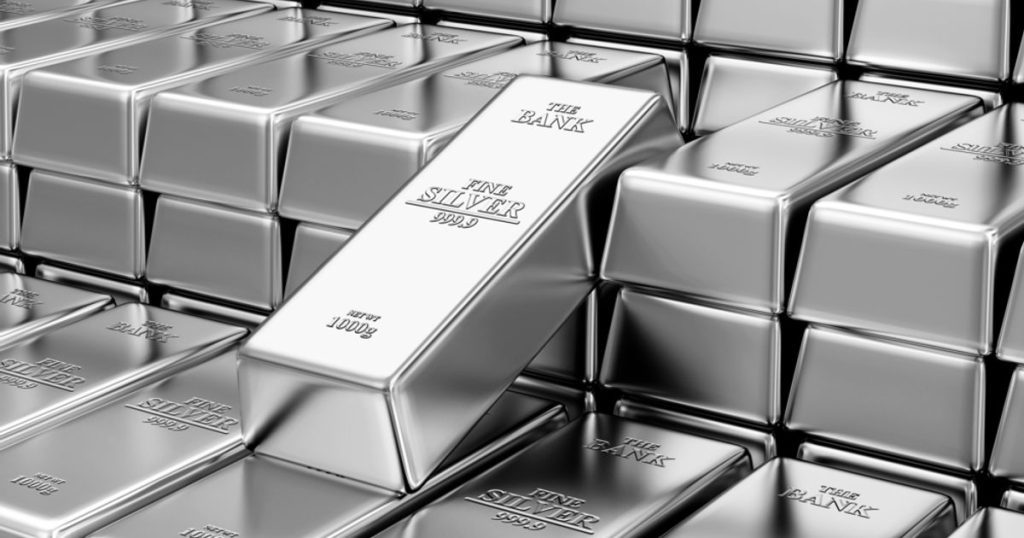
Silver surged 6% in a single session on Trump’s tariff shock, then retreated from $89 to $87.87 as profit-taking kicked in. The volatility masks a deeper story: a sixth consecutive year of supply deficit and industrial demand that tariffs cannot derail.
QUICK ANSWER
Silver (XAGUSD) spiked more than 6 per cent after President Trump announced a 15 per cent global tariff, before retreating from $89 to around $87.87 on profit-taking. The move reflects silver’s dual nature as both a safe-haven asset and an industrial metal. While the tariff shock triggered immediate hedging demand, traders quickly repriced the medium-term risk to industrial activity. However, the structural outlook remains bullish: the silver market is forecast to record a supply deficit of 67–120 million ounces in 2026 — the sixth consecutive year of shortfall — driven by surging demand from AI data centres, electric vehicles and semiconductor manufacturing. With the Fed expected to deliver roughly 60 basis points of easing this year, silver could trade above $90 in the coming months.
Why did silver surge 6% on the tariff announcement?
Trade escalation reflexively drives capital into hedging assets. When Trump announced a blanket 15 per cent global tariff under Section 122 of the Trade Act of 1974, silver responded immediately — rallying more than 6 per cent in a single session as safe-haven demand overwhelmed the order book.
The reaction was amplified by the current macro backdrop: slowing global growth, rising geopolitical polarisation and persistent inflation uncertainty. In that environment, any escalation in trade tensions compresses the decision cycle for institutional hedgers. Silver, which had already been supported by structural deficit narratives throughout 2025, was primed for a move.
But the rally to $89 was not sustained. Momentum faded as traders shifted to profit-taking, pulling prices back to around $87.87. This is the pattern of a political shock being rapidly priced and then tested — not a trend reversal. Markets tend to overshoot on headline events before stabilising at levels that reflect the underlying fundamentals.
As we explored in our coverage of gold and oil prices swinging on escalating Iran tensions, safe-haven surges driven by geopolitical catalysts follow a predictable arc: spike, test, reversion to fundamentals.
How do tariffs affect silver’s industrial demand?
This is where silver diverges from gold — and where the tariff story gets complicated.
Over 50 per cent of physical silver demand comes from industrial applications: solar panels, semiconductors, electric vehicles and electronics. A tariff regime that disrupts supply chains and slows global manufacturing directly threatens that demand base. While gold trades primarily on monetary and hedging flows, silver is tethered to the economic cycle.
The 15 per cent tariff therefore creates a contradiction. In the short term, it supports silver through safe-haven buying. In the medium term, it raises questions about industrial output in tariff-exposed sectors. This tension explains the rapid swing from aggressive buying to organised profit-taking within the same session.
However, the structural demand drivers are unlikely to slow meaningfully. AI data centres, EV production and semiconductor manufacturing are on multi-year investment trajectories that transcend trade policy cycles. As we reported in our analysis of the Meta-AMD multibillion-dollar chip deal, the infrastructure buildout consuming silver-intensive components is accelerating — not contracting.
What does the supply-demand picture look like?
The fundamental floor beneath silver is solid. According to estimates from the Silver Institute and Metals Focus, the market is projected to record a supply deficit of between 67 and 120 million ounces in 2026. This would mark the sixth consecutive year of deficit — a sustained structural imbalance that provides medium-term price support regardless of short-term volatility.
These are not marginal shortfalls. Cumulative deficits of this duration tighten above-ground inventories and increase the market’s sensitivity to demand shocks. With industrial consumption rising — driven by the global transition toward a digital and electrified economy — the supply gap is widening, not narrowing.
The demand profile is diversifying, too. Solar alone accounts for a growing share of silver consumption as panel efficiency improvements increase the silver content per unit. EV production requires silver across wiring, contacts and battery management systems. Semiconductor fabs use silver in bonding and die-attach processes. These are sectors with decade-long investment horizons that will not be derailed by a single tariff announcement.
Where is XAGUSD headed next?
The short-term trajectory depends on two variables: US economic data and Federal Reserve signalling.
Markets currently price roughly 60 basis points of Fed easing over the remainder of 2026, with rates expected to hold in March. If that easing materialises, the monetary backdrop becomes increasingly supportive for precious metals — the opportunity cost of holding non-yielding assets like silver declines as rates fall.
Upcoming data releases — particularly the jobs report and Consumer Price Index — will shape near-term direction. A higher-than-expected inflation reading could temporarily strengthen the dollar and pressure silver, while weaker data would reinforce easing expectations and push prices toward new highs.
US Treasury Secretary Scott Bessent has attributed some of the recent volatility to speculative activity by Chinese traders. Whether or not that assessment is accurate, it highlights the role of short-term liquidity in amplifying moves. The current price action is best understood as a speculative cycle operating within a broader structural uptrend — investment flows interacting with the narrative of persistent supply deficits and accelerating industrial demand.
Any downside correction is likely to remain limited as long as deficit projections hold. As we examined in our coverage of why investors are rotating into European equities and away from US risk assets, the broader capital allocation shift is favouring hard assets and non-dollar hedges — a macro tailwind for silver.
Silver has not lost its appeal. It is recalibrating. The tariff shock was the spark, but the real fuel lies in six years of supply deficit and an industrial demand curve that shows no sign of flattening. In an increasingly uncertain world, silver remains one of the few assets that combines hedging and growth characteristics — and that dual advantage is what will sustain prices above $90 in the months ahead.
Written by Samer Hasn, Senior Market Analyst at XS.com
Frequently Asked Questions
Why did silver spike then crash on the same day?
Silver surged more than 6 per cent on safe-haven demand after Trump announced a 15 per cent global tariff, then retreated from $89 to $87.87 as profit-taking set in. The move reflects silver’s dual nature: tariffs boost hedging demand short-term but threaten industrial consumption medium-term, creating a rapid swing from buying to selling within a single session.
What is the silver supply deficit in 2026?
The silver market is forecast to record a deficit of 67–120 million ounces in 2026, according to the Silver Institute and Metals Focus. This marks the sixth consecutive year of supply shortfall, driven by rising demand from AI data centres, solar panels, electric vehicles and semiconductor manufacturing outpacing mine supply.
Will silver break above $90 in 2026?
If the Federal Reserve delivers the roughly 60 basis points of easing currently priced by markets, and supply deficits hold at projected levels, silver has a credible path above $90 in the coming months. Key catalysts to watch include US jobs data, CPI prints and any further escalation in global trade tensions that could accelerate safe-haven flows
The post Silver Whiplash: The 15% Tariff That Turned Safe Haven Into Sell-Off appeared first on European Business & Finance Magazine.