
























Seven Days to Save the Ceasefire — and Nobody Has a Plan

Brief Analysis
As of April 15, 2026, the two-week Iran-US ceasefire expires in seven days on April 22, with no deal in place after 21 hours of marathon talks in Islamabad collapsed on April 12. The US naval blockade of Iranian ports is now fully implemented, the Strait of Hormuz remains effectively closed, and a second round of talks is under discussion but nothing has been scheduled — leaving European energy markets, corporate earnings and supply chains facing the most dangerous week since the war began. The ceasefire’s collapse is not just a diplomatic failure — it is a direct threat to the European economic recovery that was already under severe strain.
EBM Exclusive Take
The Islamabad talks revealed something that markets had been wilfully ignoring: the gap between Washington and Tehran is not a negotiating gap — it is a structural incompatibility. The US wants Iran to surrender its nuclear capability and control of the Strait of Hormuz. Iran wants sovereignty, reparations and recognition. These are not positions that can be split in a weekend summit. Seven days is not enough time to bridge them. European businesses and governments need to stop pricing in a clean resolution and start pricing in a prolonged standoff.
What Happened in Islamabad
The first face-to-face engagement between the US and Iran since the Obama-era nuclear deal negotiations ran for 21 hours across Saturday into Sunday before collapsing without agreement. Vice President JD Vance, who led the US delegation, said negotiations failed because Iran would not provide an affirmative commitment that it would not seek a nuclear weapon. Iran’s parliamentary speaker Mohammad Bagher Ghalibaf, who led Tehran’s delegation, blamed the US for acting in bad faith — Iranian Foreign Minister Abbas Araghchi publicly accused Washington of “maximalism, shifting goalposts, and blockade.”
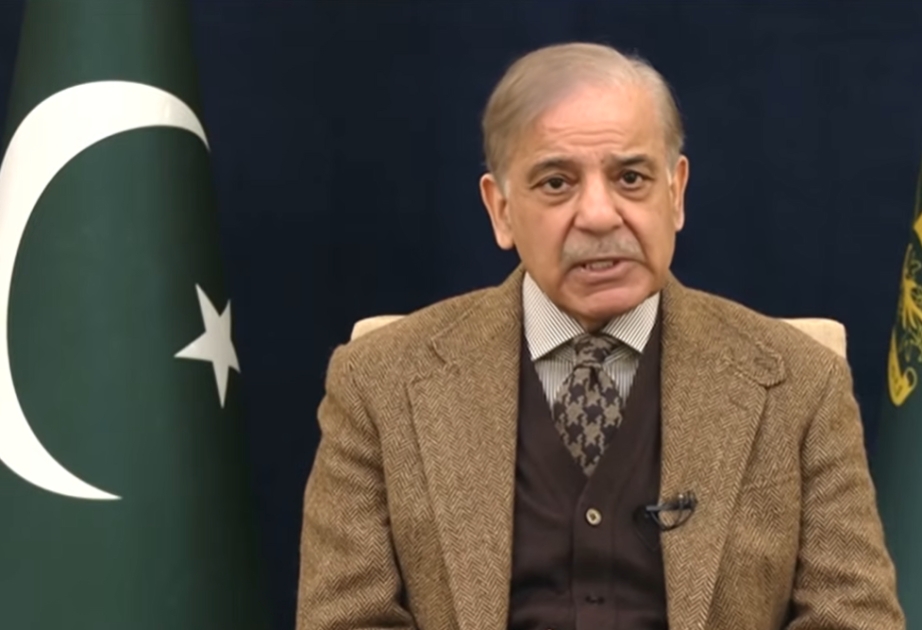
Both sides left Islamabad with their opening positions largely intact. Pakistan, which brokered the talks and has emerged as the world’s most consequential diplomatic intermediary, urged both parties to uphold the ceasefire and confirmed it would continue working to bring them back to the table. The International Crisis Group’s Iran director described the most likely near-term scenario as not immediate war but “a volatile period of pressure, signalling, and last-minute attempts to prevent a wider conflagration.”
The Blockade and What It Means for Energy
Trump’s response to the collapsed talks was to announce a US naval blockade of Iranian ports, which came into effect on April 13. US CENTCOM confirmed the blockade covers all vessels entering or departing Iranian ports and coastal areas, while allowing freedom of navigation for vessels transiting to and from non-Iranian ports. Iran’s Revolutionary Guard responded that any military vessel approaching the strait would be considered a ceasefire violation and would meet a severe response.
The practical implications for energy markets are severe. As Bloomberg reported on April 14, the US Treasury has confirmed that a short-term waiver authorising the purchase of certain Iranian crude oil stranded at sea will expire this weekend and will not be renewed — removing a safety valve that had been allowing some Iranian oil to reach market. As EBM’s analysis of the North Sea oil price surge showed, every incremental tightening of Gulf supply translates directly into higher European energy costs. Approximately 230 loaded oil tankers remain waiting inside the Gulf unable to move.
The Seven-Day Window
The primary objective for all parties is to reach a workable understanding before the ceasefire expires on April 22 in order to prevent a return to all-out war. Pakistan remains in active contact with both Washington and Tehran. Trump has indicated further talks could happen within days. Vance has stated the ball is in Iran’s court.
But the structural reality has not changed. The Islamabad negotiations collapsed over three irreconcilable issues: Iran’s uranium enrichment programme, its funding for regional proxy groups including Hezbollah, and the question of who controls the Strait of Hormuz and on what terms. None of those issues can be resolved in a week.
What can be achieved is a ceasefire extension — buying time without resolving anything — which remains the most likely outcome if a second round of talks materialises. For European businesses the distinction matters enormously. A ceasefire extension is not a resolution. The supply disruptions driving stagflation warnings from the ECB and IMF do not reverse because a ceasefire holds for another fortnight. Energy infrastructure damaged during six weeks of conflict takes months to restore.
What Happens If the Ceasefire Expires
Neither side currently wants to resume full-scale hostilities — Iran because it needs time to regroup, the US because the domestic and geopolitical costs of escalation are rising sharply. But markets cannot price on intent alone.
The business case study of who profits and who pays in this conflict has been clear since February — European manufacturers, consumers and energy-intensive industries are on the wrong side of every ledger. As EBM’s analysis of the Iran war’s impact on European markets showed, Wall Street can celebrate peace hopes while the CAC 40 bleeds and Hermes issues profit warnings. Seven more days of uncertainty extends that asymmetry further.
Watch April 22. It is the most important date on the European business calendar right now.
Related Analysis
The post Seven Days to Save the Ceasefire — and Nobody Has a Plan appeared first on European Business Magazine.