















Šefčovič: Trade deal with India does not threaten EU steelmakers or the agri‑food sector

Brussels/New Delhi – The trade agreement concluded between the European Union (EU) and India opens a new chapter between both sides and its importance will not be overshadowed by disputes over the import of sensitive agricultural commodities or steel into the EU, Brussels-based TASR correspondent asked the European Commissioner for Trade and Economic Security Maroš Šefčovič about this by phone.
Maroš Šefčovič recalled that the free trade agreement was the main point of the talks between Indian Prime Minister Naréndra Módí and the President of the European Commission (EC) Ursula von der Leyen and the President of the European Council António Costa during the 16th EU-India summit in New Delhi.
“We are really opening a new chapter in the relationship between India and the EU,” Šefčovič said, confirming that Europeans do not have to fear cheaper imports of beef and chicken meat or rice in connection with the agreement.
Šefčovič recalled that since he took over the trade policy agenda in the EC, his negotiations with his Indian counterpart, Trade Minister Pijuš Gojal, have been “extremely intensive.” Just last year they met more than ten times to look for overlaps that would allow the agreement to be completed and to avoid repeating the mistakes of previous negotiations, which began 10 and, according to some sources, even 20 years ago.
“Already at the beginning of my mandate as European Commissioner for Exit we agreed that we would mutually exclude the most sensitive commodities.” Maroš Šefčovič
“Already at the beginning of my mandate as European Commissioner for Exit we agreed that we would mutually exclude the most sensitive commodities. For India these were dairy products and rice. For us it was beef, chicken meat and sugar and several other products that we placed outside the agreement,” he explained.
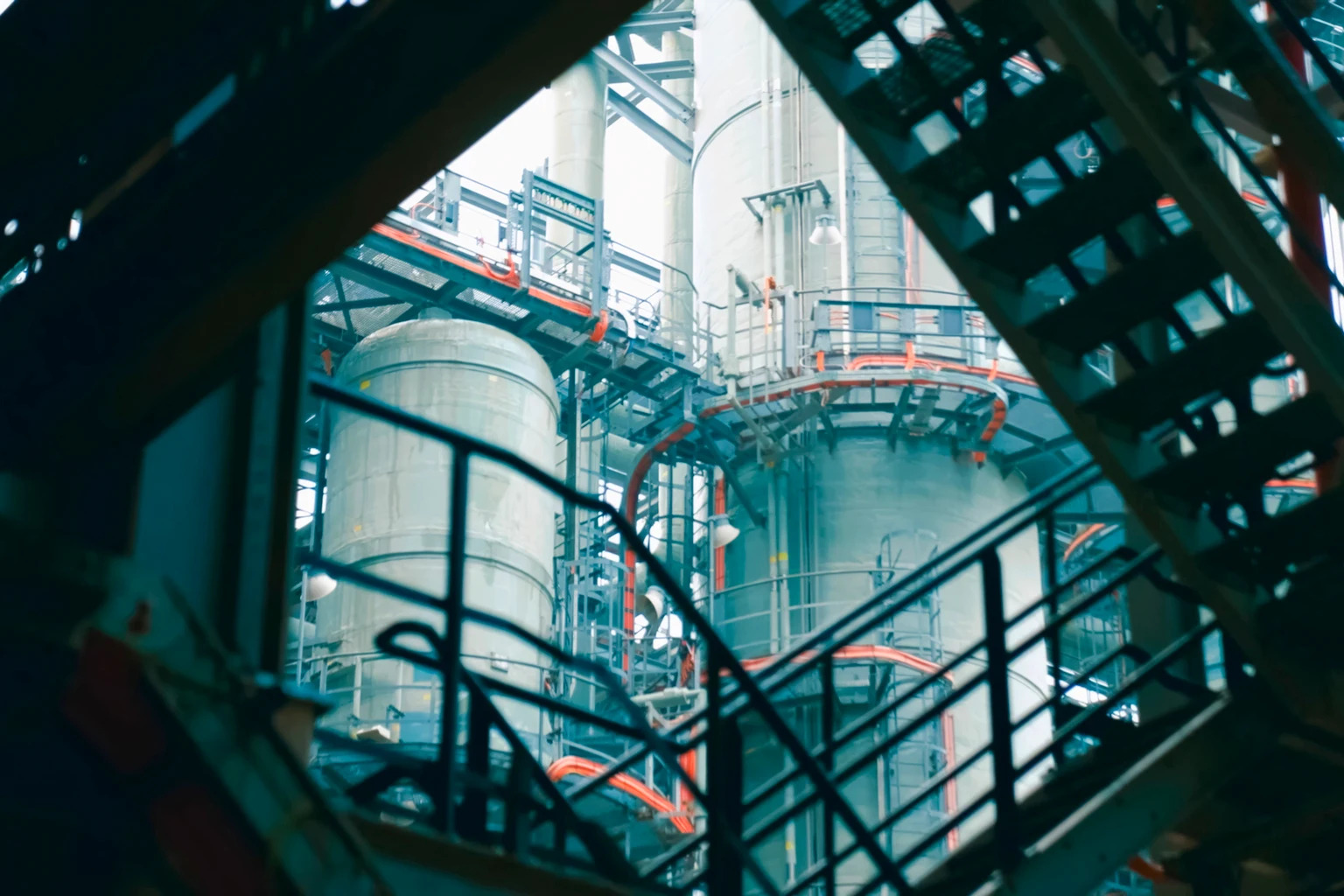
During the negotiations with India, the Commissioner registered concerns about the agreement from the European steel industry, because India is among the largest players in the world in steelmaking.
He claims that he explained to his Indian partners that due to the situation on the steel products market, the EU has proceeded to reduce imports into Europe by 47%. This applies to every importer. The European Commission and Šefčovič presented this strategy in October 2025.
“However, in the case of countries with which we have signed a free trade agreement, we treat them as privileged partners. This will also be the approach to India. I believe that we have found a common overlap where India will be in a better position,” he said. He pointed out that, in view of the adopted legislation, the Union must proceed only within the figures that have already been agreed, that is, a 47% reduction in imports of steel products.
According to him, however, India is “in a very good position” and preliminary discussions have already taken place. The Union will act as if the free trade agreement had already been ratified, meaning that India has moved into the position of a significant partner. Both sides believe that all negotiations on how to reduce imports of steel products by 47% will be completed by 30 June.
After this date, the EU mechanism will come into force, according to which all exporters who export more than 5% of steel to the EU must hold negotiations on how they intend to reduce their imports into Europe. This process, as Šefčovič pointed out, is governed by Article 28 of the World Trade Organization (WTO). (27 January)