























Revolut’s US Banking Licence Bid: Why Europe’s Neobanks Are Making Their Most Ambitious American Push Yet

For years, the United States has been the great unconquered territory for Europe’s neobanks — a market vast enough to transform any challenger bank into a genuine global force, yet regulated tightly enough to have repelled every serious attempt to crack it. That picture may finally be changing, and Revolut’s application for a US banking licence is the clearest signal yet that Europe’s most valuable fintech believes the moment has arrived.
The filing, described by Revolut founder and CEO Nik Storonsky as a “major milestone” towards his vision of building the world’s first truly global banking platform, is backed by a significant hire. Cetin Duransoy, a former Visa executive, has been recruited specifically to lead Revolut’s US operations — a deliberate signal that this is not an exploratory exercise but a committed, properly resourced push into the world’s largest financial market. Duransoy’s background at Visa, a company that has spent decades navigating the complexities of American financial regulation and consumer behaviour, gives Revolut a credibility in Washington and with US regulators that previous European challenger bank attempts have conspicuously lacked.
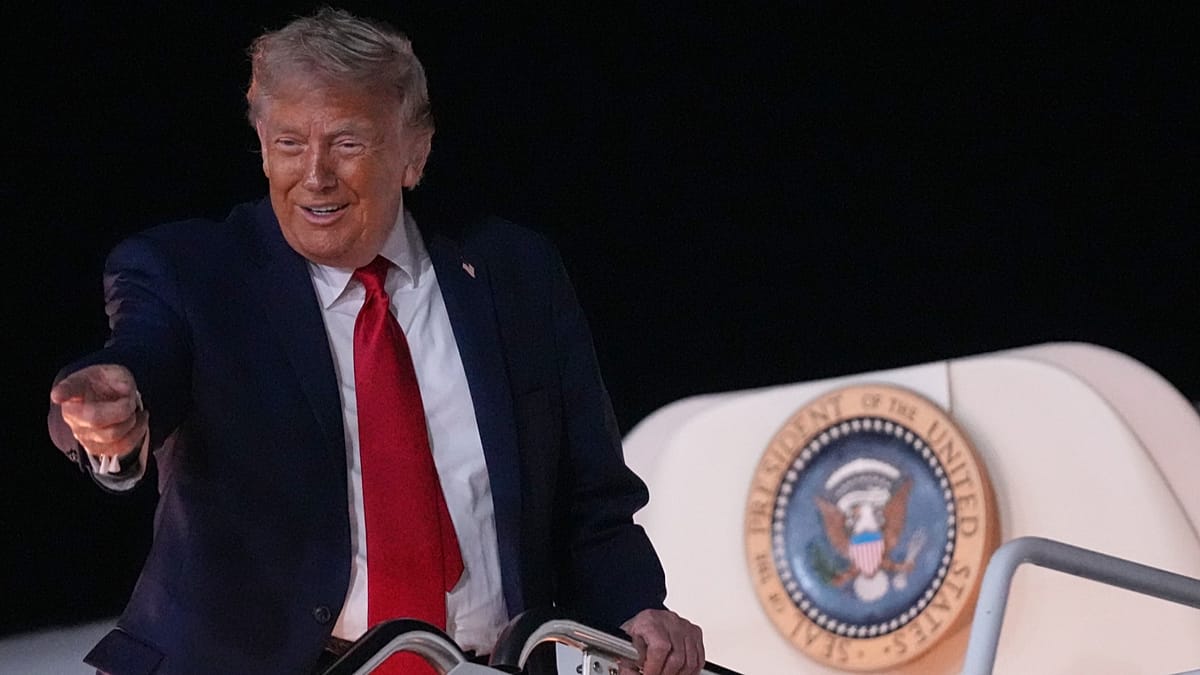
The timing is not accidental. The re-election of Donald Trump has brought with it the most significant deregulatory push in the US financial sector in a generation. Banking regulators under the new administration have signalled a markedly more permissive approach to new entrants, fintech applications, and alternative banking models — a stark contrast to the environment that ground previous European neobank ambitions to a halt. For Revolut, which has watched the US generate negligible revenue despite operating there since 2020, the regulatory window now opening may not stay open indefinitely.
The history of European neobanks in America is not encouraging. Monzo’s experience is the cautionary tale the entire sector knows by heart. The UK challenger bank entered the US market with considerable fanfare, built a waitlist of hundreds of thousands of customers, and then quietly retreated in 2021 after it became clear that US regulators were not going to approve a local banking licence on terms the company could work with. Without a licence, the ability to offer the full suite of products that makes a neobank genuinely competitive — interest-bearing accounts, credit, lending — is severely curtailed. Operating as a thin product in a market that already has well-capitalised, deeply trusted domestic digital banking alternatives is a difficult position to sustain commercially.
Revolut has learned from that period of European retreat. Rather than attempting to replicate a European model wholesale, the company is approaching the US as a distinct market requiring distinct infrastructure — hence the banking licence application rather than the partnership-based workarounds that have limited its American offering to date. The hire of Duransoy reflects an understanding that navigating the US regulatory environment requires insider knowledge and established relationships, not just a disruptive product and a large existing customer base in other markets.
Revolut is not alone in reassessing the American opportunity. According to reporting by Sifted, UK neobank Starling is actively exploring a US expansion through a local banking licence application — a significant shift for a company that has until now focused almost exclusively on building out its Banking-as-a-Service model across Europe. And the Financial Times has reported that Monzo — despite its painful 2021 withdrawal — is weighing up a fresh US banking licence application, a move that would represent one of the more remarkable reversals in recent fintech history. That three of Europe’s most prominent neobanks are all circling the same market at the same time is not coincidence. It reflects a shared read of the regulatory environment under Trump and a collective judgement that the window for entry has reopened in a way it has not been since the sector’s early growth years.
The commercial logic is undeniable. Revolut currently serves over 45 million customers globally and recently achieved a valuation of $45 billion following a secondary share sale — making it Europe’s most valuable private technology company. Yet the US, the world’s single largest retail banking market, contributes almost nothing to that figure. A successful banking licence would allow Revolut to offer American customers the full product stack — current accounts, savings, credit, stock trading, crypto — that has driven its growth in Europe. Even a modest penetration of the US market would be transformative at the revenue line.
The obstacles remain real. US banking licence applications are notoriously lengthy, often taking years to process, and the Office of the Comptroller of the Currency has a history of imposing conditions that reshape business models in ways applicants did not anticipate. The deregulatory mood under Trump has loosened some constraints but has not eliminated the fundamental complexity of becoming a licensed US bank. Revolut will also face domestic competition from well-funded American neobanks including Chime, SoFi, and a rapidly evolving incumbent banking sector that has spent the past decade building its own digital capabilities.
But Revolut enters this battle better resourced, more experienced, and more strategically prepared than any European neobank that has attempted the crossing before. The question is no longer whether Europe’s challenger banks can build a global banking platform. It is whether Revolut can finally make America the market that justifies the ambition — and the valuation — that has always been built into its story.
FAQ
Q: Why does Revolut need a US banking licence rather than just operating as it does now? A: Without a US banking licence, Revolut cannot offer American customers the full range of products that makes it competitive — interest-bearing deposit accounts, credit products, and lending all require a licensed banking entity operating under US federal or state regulation. Currently Revolut operates in the US through partner banks and a more limited product set, which restricts both its revenue potential and its ability to compete meaningfully against domestic digital banking alternatives. A licence would allow it to control its own infrastructure, improve margins, and offer the complete product suite that has driven its growth in Europe.
Q: What has changed that makes a US banking licence more achievable for Revolut now than in previous years? A: The primary change is regulatory environment. The Trump administration’s deregulatory push has created a noticeably more receptive climate for new banking licence applications and fintech entrants, reversing some of the caution that characterised the Biden-era regulatory approach to challenger banks. Combined with Revolut’s significantly larger global scale, its $45 billion valuation providing financial credibility, and the strategic hire of a former Visa executive to lead the US push, the company is approaching this application from a position of considerably greater strength than European neobanks that attempted and failed to crack the market in previous years.
The post Revolut’s US Banking Licence Bid: Why Europe’s Neobanks Are Making Their Most Ambitious American Push Yet appeared first on European Business & Finance Magazine.