


















Orbán Is Gone. €35bn Is Unlocked. How Europe Just Changed
Quick Answer-
Péter Magyar won a supermajority in Sunday’s Hungarian election, securing 138 of 199 parliamentary seats and ending Viktor Orbán’s 16-year rule. The European Commission began immediate engagement on Monday, prioritising the release of €35 billion in frozen EU funds and the unblocking of a €90 billion Ukraine loan that Orbán had vetoed. Magyar’s constitutional mandate exceeded Brussels’ expectations — and raises the bar on what the Commission will demand in return.
EBM Exclusive Take
Orbán’s defeat is not simply a Hungarian story. It is a structural event for the European Union — one that removes the bloc’s most persistent internal veto, its most reliable Kremlin ally, and its most visible advertisement for illiberal democracy as a governing model. The immediate business implications are concrete: €35 billion in frozen EU funds returning to circulation, a €90 billion Ukraine loan that can now proceed, and Hungary rejoining the consensus on Russia sanctions that Orbán consistently blocked. But the deeper significance is institutional. For four years, Orbán demonstrated that a single member state could hold EU foreign policy hostage with near-impunity. Magyar’s supermajority closes that playbook — and every capital in Europe that has been hedging its strategic bets accordingly will now need to recalibrate.
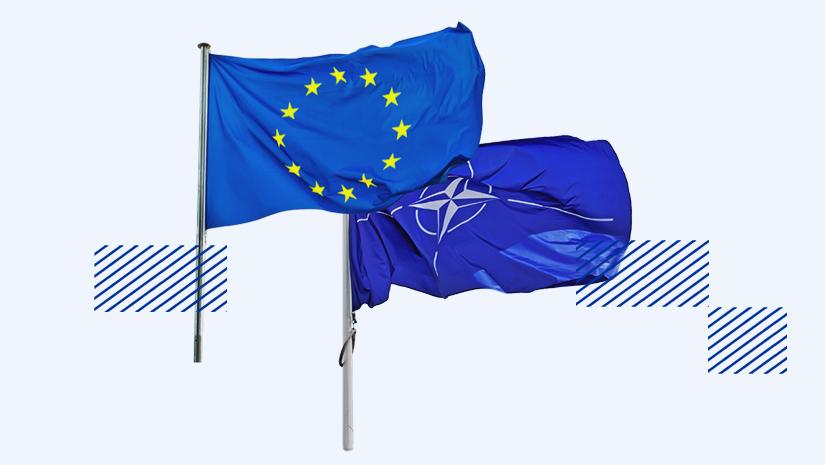
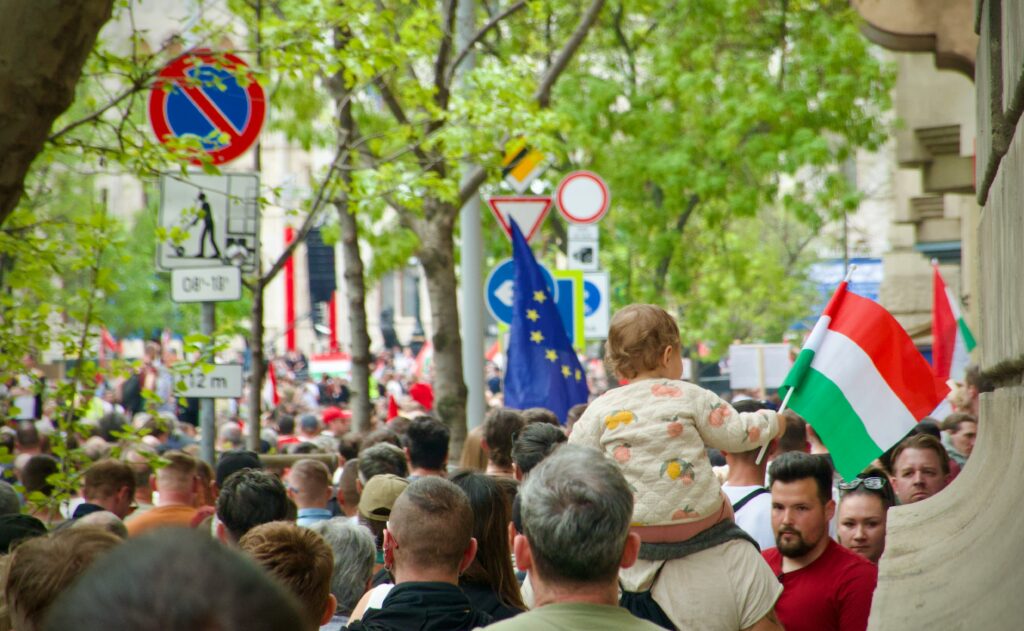
Sunday night in Budapest felt like a city exhaling after holding its breath for sixteen years. On the banks of the Danube, tens of thousands gathered waving Hungarian and European flags as results confirmed what the exit polls had suggested: Viktor Orbán, the most disruptive figure in EU politics of the past decade, had lost. Péter Magyar’s Tisza Party secured an estimated 138 seats in the 199-member parliament — a supermajority that not only removes Orbán from power but gives Magyar the constitutional mandate to dismantle the system he built.
By Monday morning, the European Commission had moved with unusual speed. European Commission President Ursula von der Leyen said Brussels would begin working with the new government immediately to make progress that was “swift and overdue.” A senior EU official told reporters the mindset in Brussels was clear: deliver reforms, and the EU delivers the funds.
What Brussels Now Expects
The Commission’s immediate engagement with Magyar carries explicit conditions. Two EU diplomats confirmed that unblocking the €90 billion loan to Ukraine and lifting Hungary’s veto on the next round of Russia sanctions are the first tests of Magyar’s intentions. EU officials have already begun preparations to disburse the Ukraine loan as soon as Magyar is sworn into office — a signal of how seriously Brussels is treating the window that Sunday’s result has opened.
Beyond Ukraine, the reform agenda is substantial. Hungary’s court system, gutted under Orbán to serve political ends, must be rebuilt. The security services, used as instruments of domestic political control, require structural reform. Media freedom — systematically dismantled across Orbán’s tenure as pro-government oligarchs absorbed independent outlets — needs a credible restoration plan. The €35 billion in frozen EU funds will not flow until Brussels is satisfied that the conditions attached to them are being met in substance, not just in form.
Magyar has been direct about the scale of the task. In his victory address he pledged to dismantle Orbán’s system and return Hungary to the European mainstream — but he also acknowledged that the apparatus of sixteen years of engineered advantage does not disappear the morning after an election. The broader challenge of democratic backsliding in Central Europe has never been reversed quickly, and Brussels will be watching implementation, not just intention.
The Ukraine Dimension
The most immediate consequence of Magyar’s win falls on Ukraine. Orbán’s veto of the €90 billion EU loan to Kyiv had become one of the most damaging single acts of obstruction in the EU’s recent history — blocking critical financing at a moment when Ukraine’s economic resilience was directly tied to European support. EU officials have confirmed preparations are already underway to move on disbursement the moment the new Hungarian government takes office.
Magyar has been cautious on Ukraine — he has said Hungary will not send arms to Kyiv and that Ukrainian EU accession should be conditional. But EU officials briefed on initial discussions say they understand the political constraints Magyar operated under during the campaign and believe his government will be a fundamentally different proposition from Orbán’s systematic obstructionism. As EBM has tracked throughout its coverage of the Iran war’s geopolitical fallout, European unity on Ukraine has been tested repeatedly — and Hungary’s removal as a structural veto player changes the dynamics of that unity considerably.
The Geopolitical Ripple
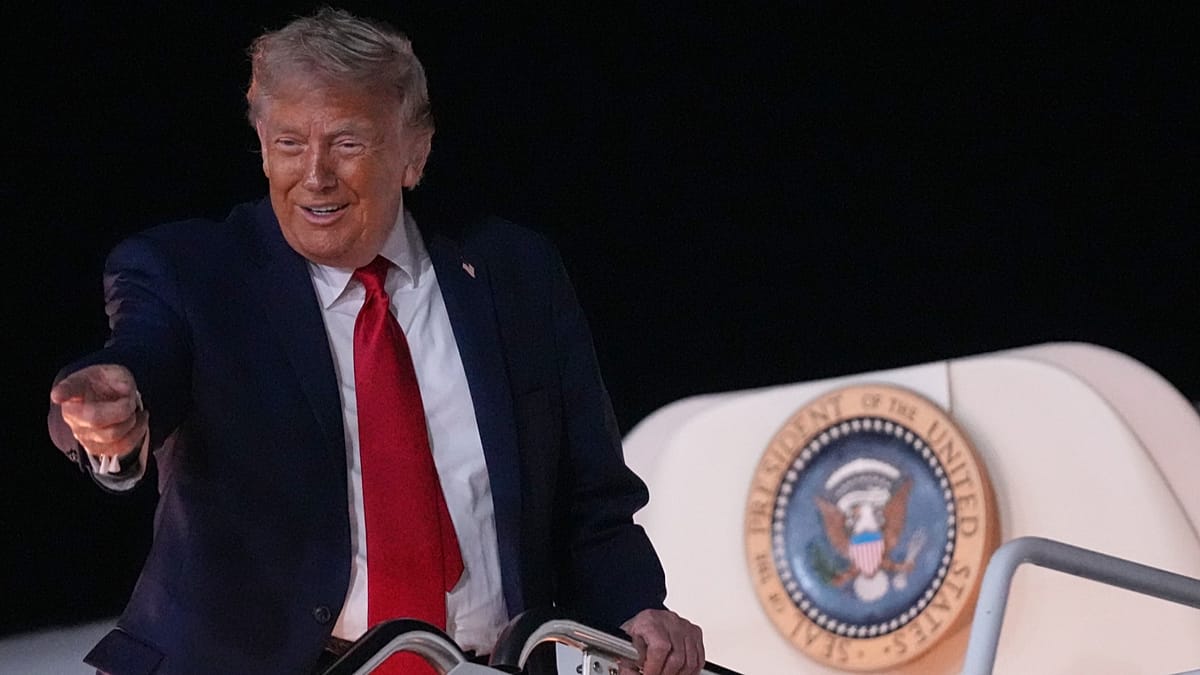
Orbán’s defeat sends shockwaves well beyond the EU. He was the template — the proof of concept that an illiberal, Russia-friendly, Trump-aligned government could survive indefinitely inside the European Union while systematically hollowing out democratic institutions. JD Vance travelled to Budapest to campaign for him in the final days. Trump has not yet commented. The MAGA movement’s most reliable European ally has been voted out by his own people, and the model he exported to far-right movements across the continent has demonstrably failed its most important electoral test.
For European business, the significance is practical as well as symbolic. Hungary under Orbán was an unreliable regulatory environment, a jurisdiction where rule of law was contingent on political relationship, and a market where foreign investors operated under implicit uncertainty about institutional stability. The investment implications of restoring judicial independence and regulatory predictability to a 10-million-person EU economy are not trivial — and they will be priced into capital allocation decisions across Central Europe within months.
What Magyar Now Has to Deliver
A supermajority is both a mandate and a burden. Magyar has the constitutional power to change everything. He also has the weight of expectations — from Brussels, from Kyiv, from Hungary’s 18 million citizens, and from every European government that congratulated him within hours of the result. French President Macron called it a victory for European values. German Chancellor Merz pledged joint forces for a united Europe. UK Prime Minister Starmer described it as an historic moment for European democracy.
The Commission’s message was blunter. There is much work to be done, von der Leyen said, as Hungary returns to the European path. The funds are ready. The conditions are known. The mandate exists. What happens next in Budapest will determine whether Sunday night was the beginning of Hungary’s return — or the beginning of a different kind of disappointment.
Related Analysis
- European Geopolitical Analysis 2026: The Forces Reshaping the Continent
- Europe’s Defence Spending Hits $563bn: The Investment Landscape Behind the Numbers
- European VC Q1 2026: Capital Concentrates Around AI, Defence and Deep Tech
The post Orbán Is Gone. €35bn Is Unlocked. How Europe Just Changed appeared first on European Business & Finance Magazine.