


















Opinion: Why UK SMEs Must Stop Reacting and Start Disrupting—or Risk Obsolescence

 Executive Summary: As the UK market hits a 4-month volatility peak, the traditional “wait and see” approach is becoming a terminal strategy for small businesses. We sit down with AI leadership expert Jon French to discuss why “curiosity” is the new operational currency.
The Myth of the ‘Safe’ SME Buffer
The House of Commons Library reminds us that SMEs are the backbone of the UK, representing 99.9% of the private sector. But being the “backbone” doesn’t make you immune to a broken neck. The current economic climate has shifted materially: competitive pressure is no longer about who is the cheapest, but who is the fastest to unlearn old habits.
For smaller firms, a delayed decision isn’t just a missed opportunity—it’s a compounded risk. While 81% of firms using digital platforms report massive efficiency gains, a dangerous “adoption gap” remains. In my view, the “opportunity cost” of waiting for a perfect market signal is now higher than the cost of a failed experiment.
Leadership as a Behaviour, Not a Position
In this era of constant disruption, competitive advantage has moved from the balance sheet to leadership behavior. The businesses thriving right now are those that “stay uncomfortable.”
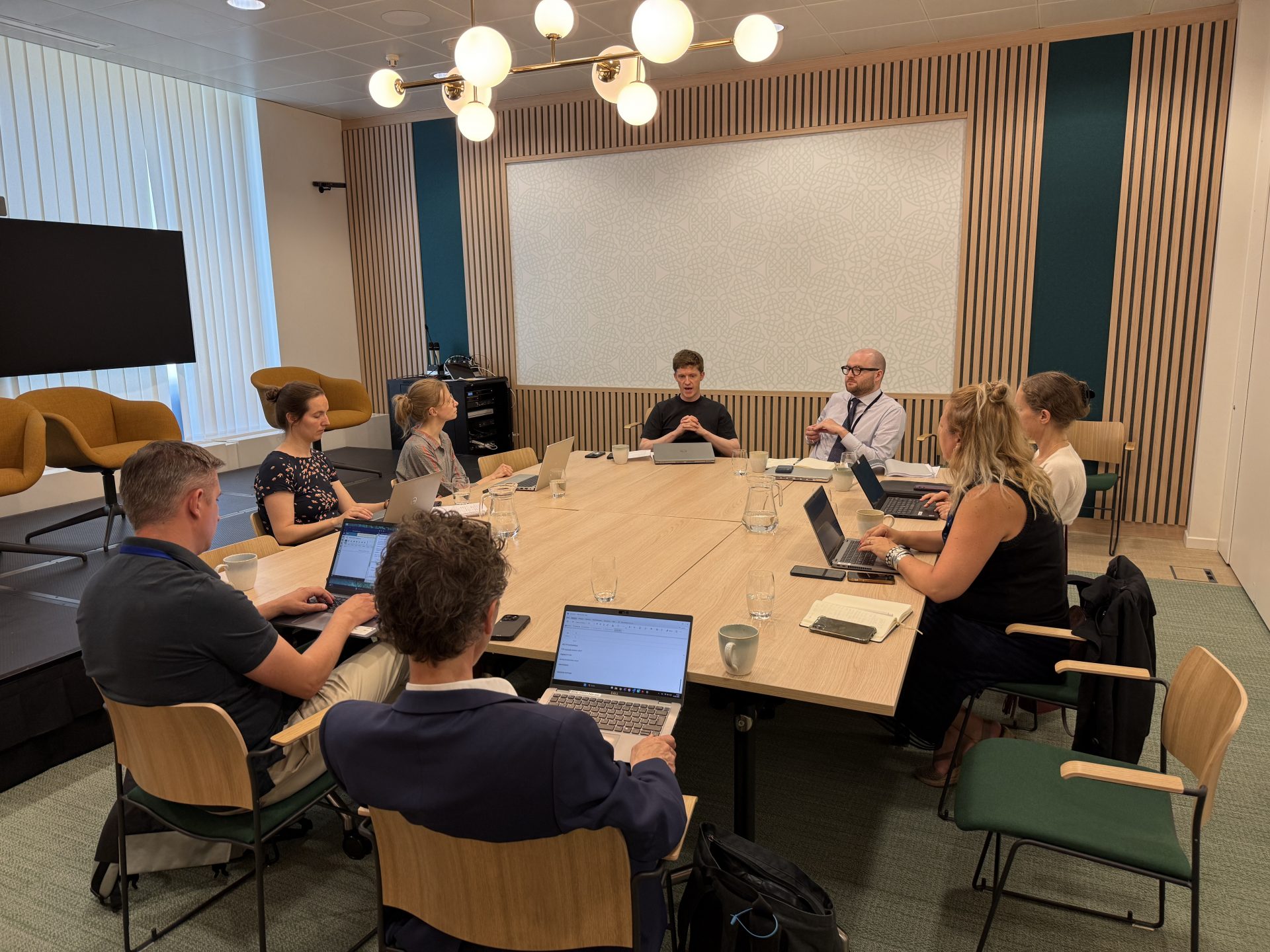
To dig deeper into this shift, we spoke exclusively with Jon French, a renowned artificial intelligence speaker and global commercial leader, to identify the specific traits that separate the survivors from the casualties in 2026.
The Expert Verdict: An Exclusive Q&A with Jon French
1. The ‘Winner’ Traits: Vigilance and Boldness
EBM: In the era of AI and rapid market shifts, what is the definitive line between winners and losers?
Jon French: “It comes down to constant vigilance and curiosity. The winners carve out time for research and actually listen to customers. They aren’t afraid to be bold and disrupt because they want to, not because they have to. If you wait until you have to change, you’ve already lost.”
2. The Secret to Thriving: ‘Enjoy the Discomfort’
EBM: How can an SME leader find stability when the ground is constantly moving?
Jon French: “The secret is to enjoy it. You have to be comfortable being uncomfortable. The highest-performing teams I’ve ever led actually seek out that difference. If you aren’t driving the change, the change will happen to you. Even if the future looks cloudy, a leader’s job is to paint a clear picture of the path forward and engender excitement in every step of that journey.”
3. Scaling a Brand: The Humility Factor
EBM: For UK SMEs looking at global growth, what is the “magic ingredient”?
Jon French: “Resonance. A brand is an emotive response, and that response varies by culture. Don’t try to replicate a UK success story exactly the same way in a new market. Be humble, be open, and translate your brand’s ‘ethos’ to speak to local consumers. Global success is built on local humility.”
The Bottom Line for UK Business
The takeaway from French’s insights is clear: Decisiveness is the only hedge against uncertainty. For a UK SME, the goal isn’t to predict the future perfectly—it’s to build an organization that is curious enough to spot the “weak signals” and brave enough to act on them before the competition does.
The post Opinion: Why UK SMEs Must Stop Reacting and Start Disrupting—or Risk Obsolescence appeared first on European Business & Finance Magazine.