
























Only 8 yeses out of 52 invitations, leaders’ doubts about the Board of Peace
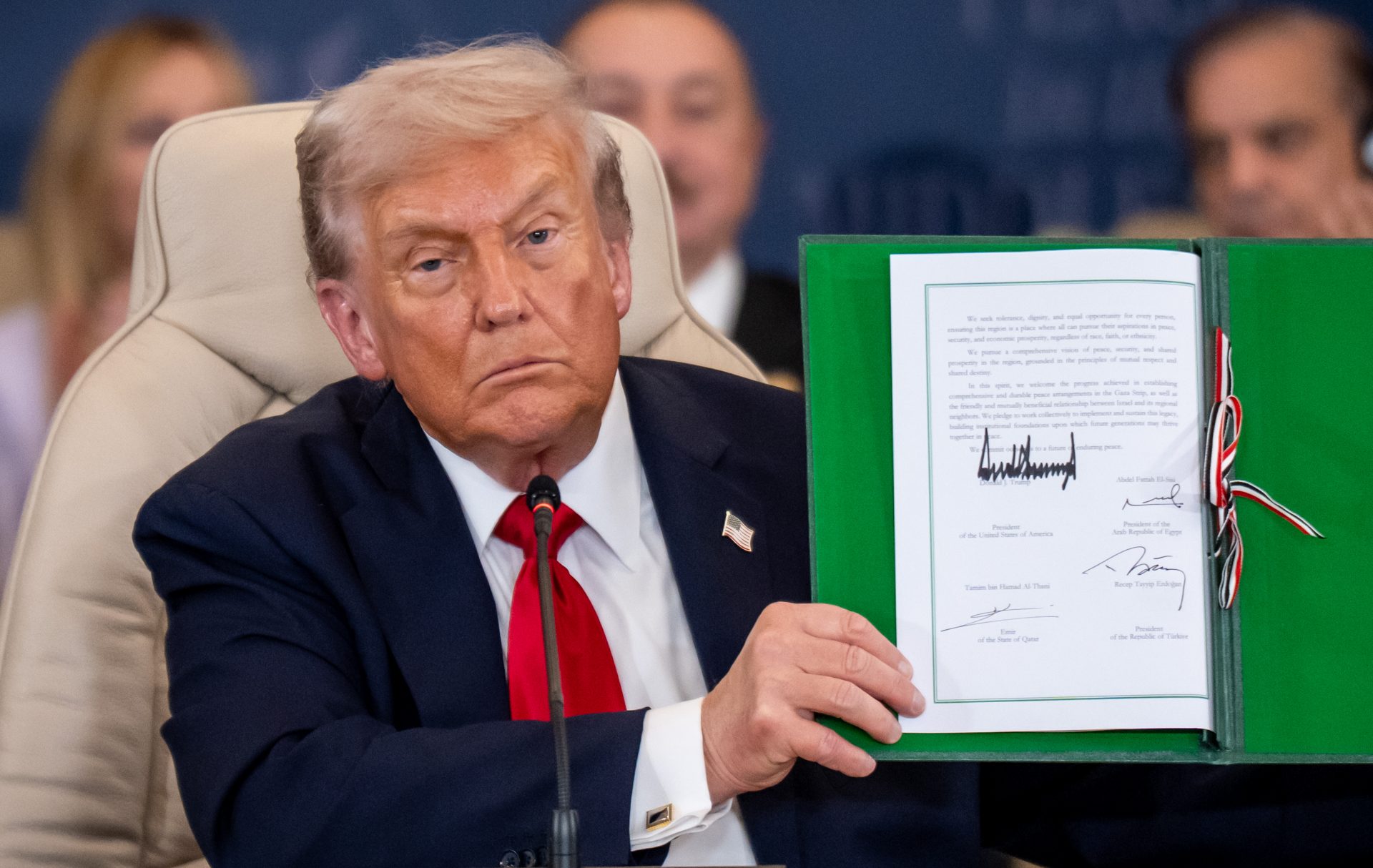
Brussels (ANSA) – Invitations are pouring in for the Board of Peace coined by Donald Trump. And caution is growing in parallel. Because the initiative appears to be anything but cautious. French President Emmanuel Macron was the first to publicly pull out, incurring the tycoon’s wrath. So far, 52 leaders have been invited, but that number will probably increase. For now, only 8 have confirmed. The others are biding their time.
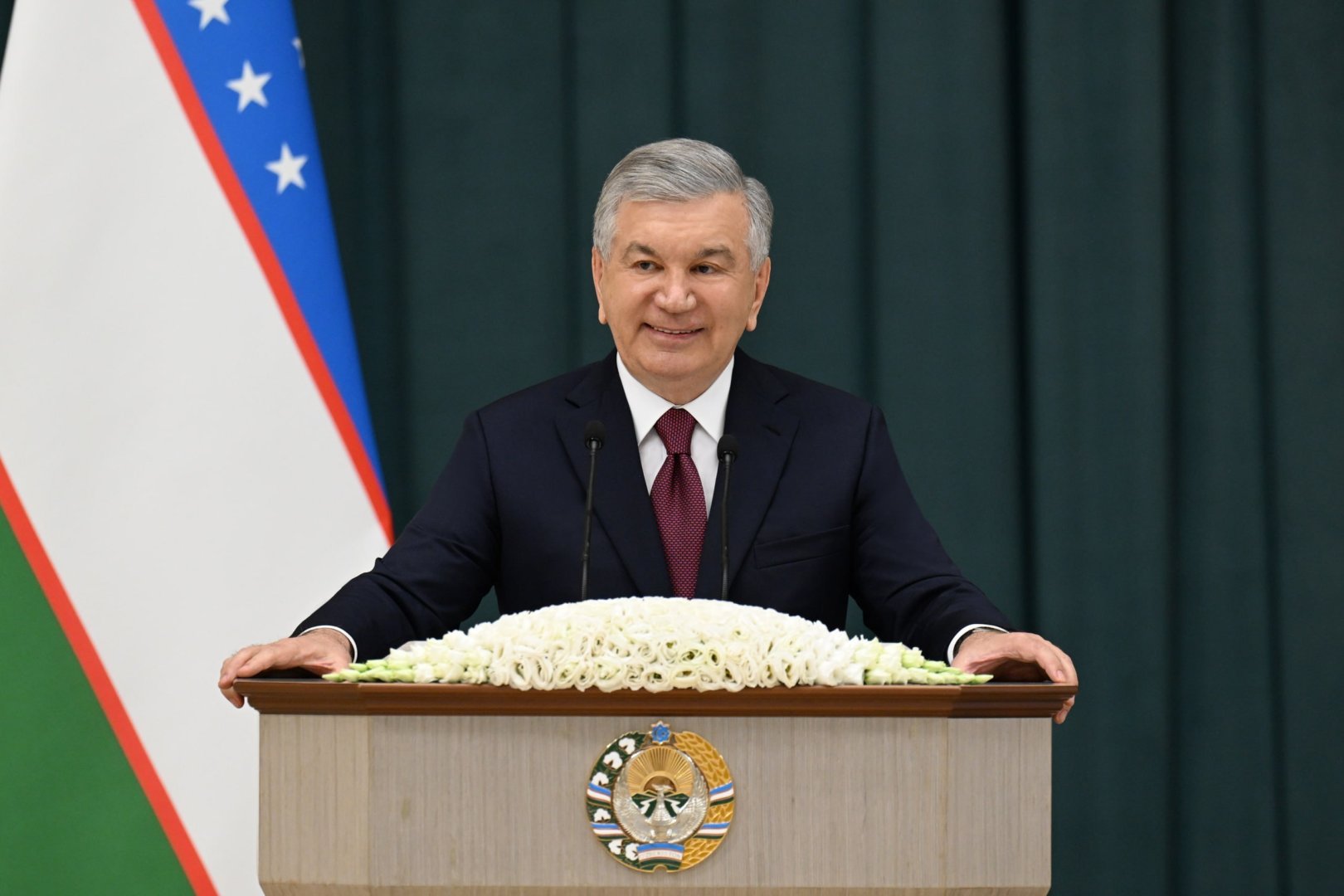
Yet the US president is pushing and would like to wrap everything up already in Davos, where the economic forum is taking place. A very tight timeline, most likely incompatible with the complexity of the operation. Those who said yes very quickly were Argentina, Hungary, Kazakhstan, Uzbekistan, Morocco, Albania, Vietnam and the United Arab Emirates.
The majority of governments that have issued official statements regarding the receipt of the invitations – it is noted in Brussels – have instead indicated that the matter is “subject to institutional political and legal review”, while some have stressed “the need to consult their partners”. The fact that the issue is sensitive is demonstrated by the fact that the 27 member states of the European Union will discuss it at Thursday’s extraordinary summit, in addition to the crisis that has erupted around Greenland.
Tempers are flaring here as well. “It is a crazy document, designed to undermine the United Nations at its core,” a diplomat confides. “It looks like something out of a (bad) action movie,” a European source remarks. The choice of leaders also carries weight. There is Vladimir Putin (Russia still sits on the UN Security Council) but also Alexander Lukashenko, the timeless president-dictator of Belarus.
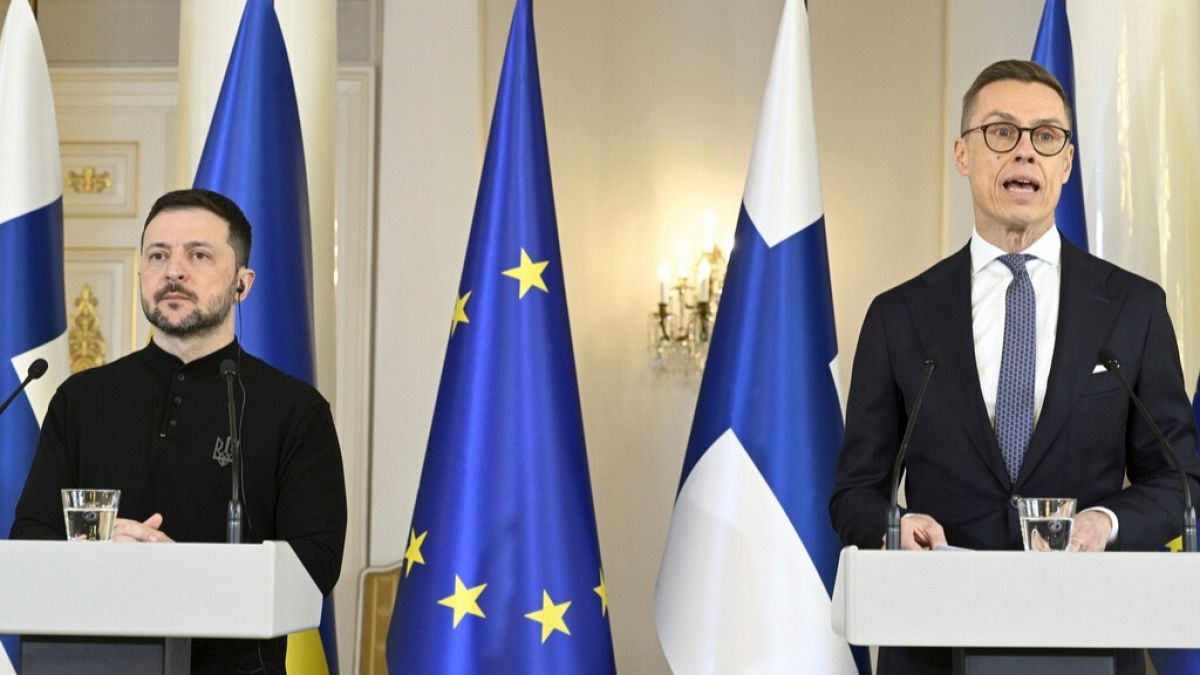
Volodymyr Zelensky, confirming that he had received the invitation, told journalists he was taking his time, explaining that Ukrainian diplomats “are examining” everything. “Russia is the country that declared war on us and Belarus is its ally, it is still very difficult for me to imagine how we could work together in any kind of council,” he stressed.
On the other hand, the Board of Peace was originally conceived to oversee the reconstruction of Palestinian territory but its statute does not seem to limit its role to Gaza (the Strip or Palestine are not mentioned in any part of the document, at least in the versions published so far).
In fact, it would be “an international organization that aims to promote stability, restore reliable and legitimate governance and ensure lasting peace in areas affected or threatened by conflicts,” reads the preamble. And it “will carry out such peacebuilding functions in accordance with international law” (January 20).