

























Oil Smashes Through $111: Why Markets Have Stopped Believing Trump
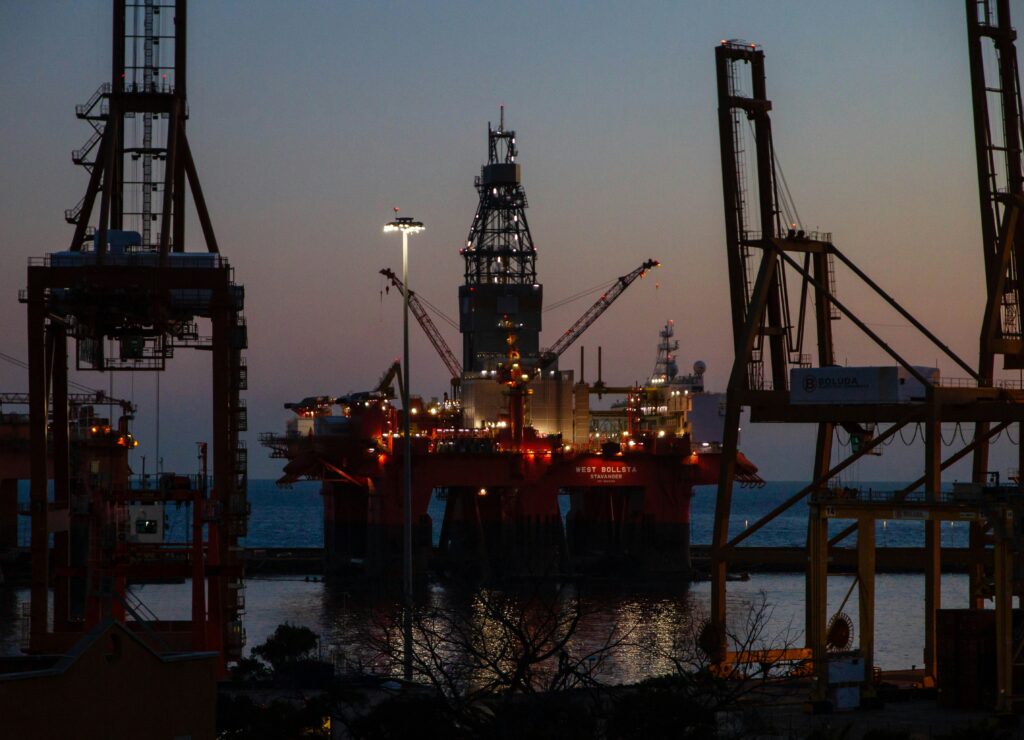
The global oil market has issued a definitive vote of no confidence in President Trump’s Iran strategy. Following a primetime address where the President vowed to hit Tehran “extremely hard” while simultaneously predicting a three-week resolution, WTI crude front-month futures surged 11.4% to close at $111.54 per barrel—the highest settlement since 2014. ICE Brent followed suit, settling firmly above $109 as the “Trump Premium” became the primary driver of global energy volatility.
The disconnect between White House rhetoric and the trading floor is now absolute. While the administration intended for its “maximum pressure” threats to signal a swift military conclusion, the market reacted with the sharpest spike in a decade. Far from pricing in a de-escalation, traders have pushed the market into record backwardation, paying unprecedented premiums for immediate delivery. This suggests that despite the President’s optimism, institutional capital is bracing for a prolonged closure of the Strait of Hormuz.
This “Credibility Gap” is costing the global economy billions. As WTI smashes through long-standing resistance levels, the consensus among analysts is that contradictory statements from Washington are being viewed as price manipulation rather than strategic diplomacy. For investors, the takeaway is clear: the market has stopped trading on the President’s words and has begun trading on the cold reality of a choked global supply chain.
Why WTI Has Overtaken Brent
One of the more technically significant developments in Thursday’s session was WTI crude surpassing the heavier ICE Brent benchmark — an unusual dynamic that reflects the extreme conditions now gripping global energy markets.
The explanation lies in backwardation and contract timing. Heightened volatility around future pricing and genuine uncertainty about the physical integrity of Middle Eastern pipelines has driven massive demand for spot and prompt-month crude contracts, far outstripping interest in longer-dated settlements. Traders and physical buyers want oil now — not in three months. That intense preference for immediate delivery has pushed the market into a state of extreme backwardation, where near-term contracts command a substantial premium over future deliveries.
The contract timing mismatch has amplified this dynamic further. Active NYMEX WTI contracts specify May delivery while ICE Brent contracts specify June — meaning WTI is the closer, more immediate contract, and has therefore captured the full force of the spot demand surge. The result is a price inversion that would, under normal circumstances, be considered extraordinary.
Trump’s Credibility Problem
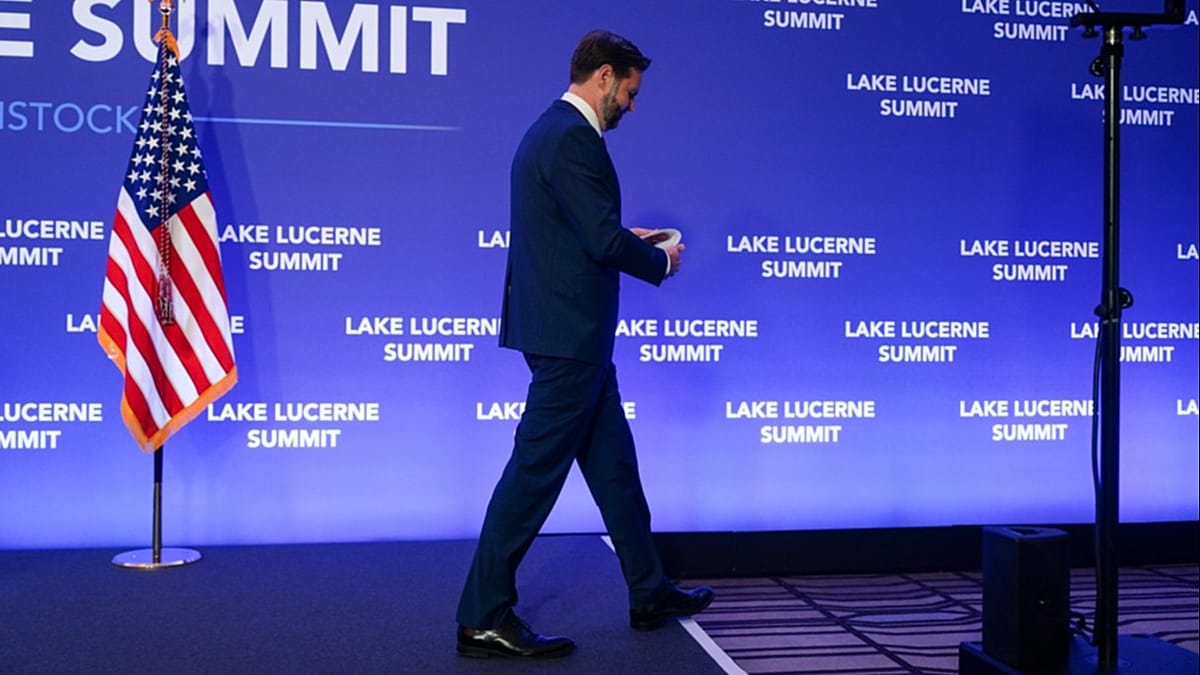
The more significant story is the one the oil price is telling about market confidence in the White House. Trump’s prime-time address earlier this week was supposed to reassure markets that the conflict was nearing completion. Instead oil surged 5% the moment he finished speaking. Thursday’s session repeated the pattern. The market is no longer treating presidential statements as forward guidance — it is treating them as noise.
French President Emmanuel Macron has expressed deep frustration with Trump’s approach, urging him publicly to stop contradicting himself every day. The criticism reflects a broader breakdown of confidence among US allies, many of whom are bearing the economic cost of the Iran war in the form of surging energy bills, rising food prices and mortgage pressure — without having had any say in the decision to go to war.
The uncomfortable reality for Trump is that he has so far failed to achieve any of his stated war aims. Regime change in Iran has not occurred. Iran’s nuclear and missile programmes have not been fully dismantled. The Strait of Hormuz — the world’s most critical oil chokepoint — remains effectively blocked, cutting off approximately 20% of global oil supply. That combination of unmet objectives and an inability to exit without humiliation is precisely what is trapping Trump in the conflict — and the market understands this dynamic clearly.
The Next Escalation Risk
Markets are now watching for what analysts describe as the next phase of escalation: a potential US ground intervention aimed at seizing Iranian uranium stockpiles. Such a move would represent a significant intensification of the conflict and could prompt Iran to dramatically accelerate its attacks on energy infrastructure across the Gulf — a scenario that would send oil prices well beyond current levels and deepen the global energy crisis that is already inflicting serious damage on households and businesses across Europe and Asia.
What to Watch
The near-term trajectory of oil prices will be shaped by two competing forces. US labour market data due today could provide a deflationary signal — if the figures are weak, they will suggest the economic slowdown is already under way even before the full impact of the Middle East conflict has been felt. That would support the fund managers currently buying government bonds on the thesis that the inflation shock is about to become a growth shock.
Against that, any major escalation over the weekend — which the US has historically timed to avoid the worst of market reactions — could neutralise any downward pressure from weak economic data entirely.
At $111 a barrel, WTI is pricing in a conflict with no clear end. Until Trump can demonstrate he has actually achieved something — or someone credible signals a genuine path to de-escalation — the market has every reason to keep pushing higher.
The post Oil Smashes Through $111: Why Markets Have Stopped Believing Trump appeared first on European Business & Finance Magazine.