























Oil Prices Swing Wildly as Geopolitical Chaos Grips Markets


Oil prices pulled back after yesterday’s rebound as traders weigh US-Iran talks in Oman against persistent supply disruption fears — here’s what’s driving the volatility and what comes next.
QUICK ANSWER:
Oil prices are retreating amid heightened volatility driven by geopolitical tensions in the Middle East. Upcoming US-Iran talks in Oman on Friday have eased immediate escalation fears, but markets remain on edge. Meanwhile, US crude inventories fell more than expected last week, offering some price support — though broader oversupply concerns persist and could pressure prices if geopolitical risks fade.
US-Iran Talks Take Centre Stage
The confirmation that talks between the US and Iran will be held in Oman on Friday limited concerns about an immediate escalation in the oil-rich region. Diplomatic channels opening between Washington and Tehran have provided a temporary reprieve for markets that had been pricing in worst-case scenarios just days ago. However, the market could react strongly to any new setbacks as worries about the impact on the energy infrastructure and supply in the region remain high. As a result, the talks will be under scrutiny, fueling caution in the meantime.
Analysts warn that the negotiations remain fragile, with both sides entering discussions amid deep-seated mistrust built over years of failed agreements and escalating tensions. Any breakdown in talks — or hawkish rhetoric from either party — could quickly reignite supply disruption fears and send prices sharply higher. Conversely, meaningful progress toward de-escalation could remove a significant risk premium currently baked into crude prices.
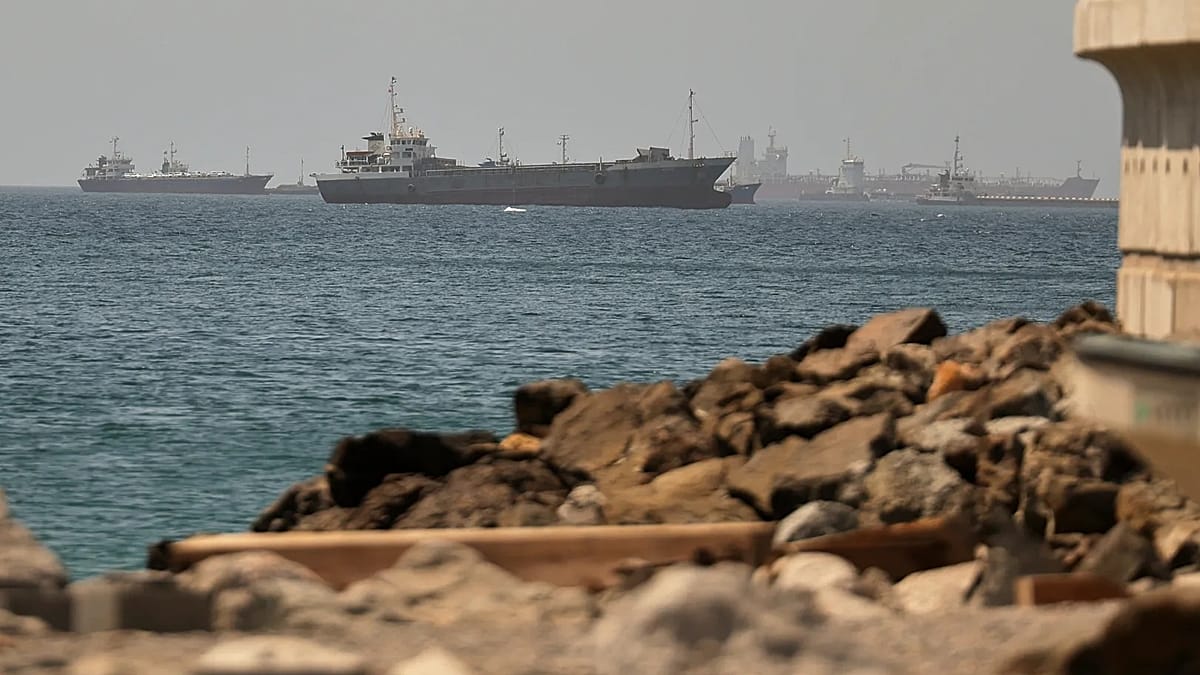
The Strait of Hormuz, through which roughly 20% of the world’s oil passes daily, remains the focal point of concern. Any threat to this critical chokepoint would have immediate and severe consequences for global energy markets, a reality that continues to underpin volatility even on relatively quiet trading days.
US Inventory Data Offers Some Support
At the same time, the latest API and EIA data showed US crude inventories declined last week more than expected, helping to cushion the downside risks to a certain extent. The American Petroleum Institute reported a draw of 4.5 million barrels, while the Energy Information Administration confirmed a decline of 4.2 million barrels — both figures exceeding analyst expectations of a 2.1 million barrel reduction.
The larger-than-anticipated drawdown suggests domestic demand remains resilient despite broader economic uncertainties, providing a modest floor for prices. Gasoline and distillate inventories also showed declines, pointing to steady consumption ahead of the spring driving season in the United States.
Nevertheless, the overall oversupply concerns remain present and could push the market lower, provided geopolitical risks abate. OPEC+ continues to grapple with compliance issues among member states, and the cartel’s decision to gradually unwind production cuts has added barrels to an already well-supplied market. Should diplomatic tensions ease significantly, the focus would likely shift back to these fundamental oversupply dynamics, potentially pressuring prices toward the lower end of recent ranges.
Demand Outlook Remains Mixed
Adding to the uncertainty, the global demand picture presents a mixed outlook. China’s economic recovery has shown signs of stalling, with recent manufacturing data underwhelming expectations and raising questions about the pace of crude consumption growth from the world’s largest importer. Meanwhile, Europe continues to battle sluggish industrial activity, further clouding the demand forecast.
On the other hand, US economic resilience and steady consumption from emerging markets have partially offset these headwinds. The International Energy Agency recently maintained its global demand growth forecast for 2026, though it cautioned that downside risks have increased amid trade tensions and policy uncertainty.
What to Watch
Looking ahead, traders will be closely monitoring Friday’s US-Iran talks in Oman for any signs of progress or breakdown. Additionally, upcoming OPEC+ commentary and further inventory data will help shape market sentiment in the days ahead.
For now, crude remains trapped between competing forces — geopolitical risk premiums on one side and oversupply concerns on the other. Until greater clarity emerges on either front, volatility is likely to persist, with sharp intraday swings becoming the norm rather than the exception. Investors should brace for continued turbulence as the market searches for direction amid an unusually complex backdrop.
The post Oil Prices Swing Wildly as Geopolitical Chaos Grips Markets appeared first on European Business & Finance Magazine.