


























Oil experts predict slight rise in gas prices as global tensions mount
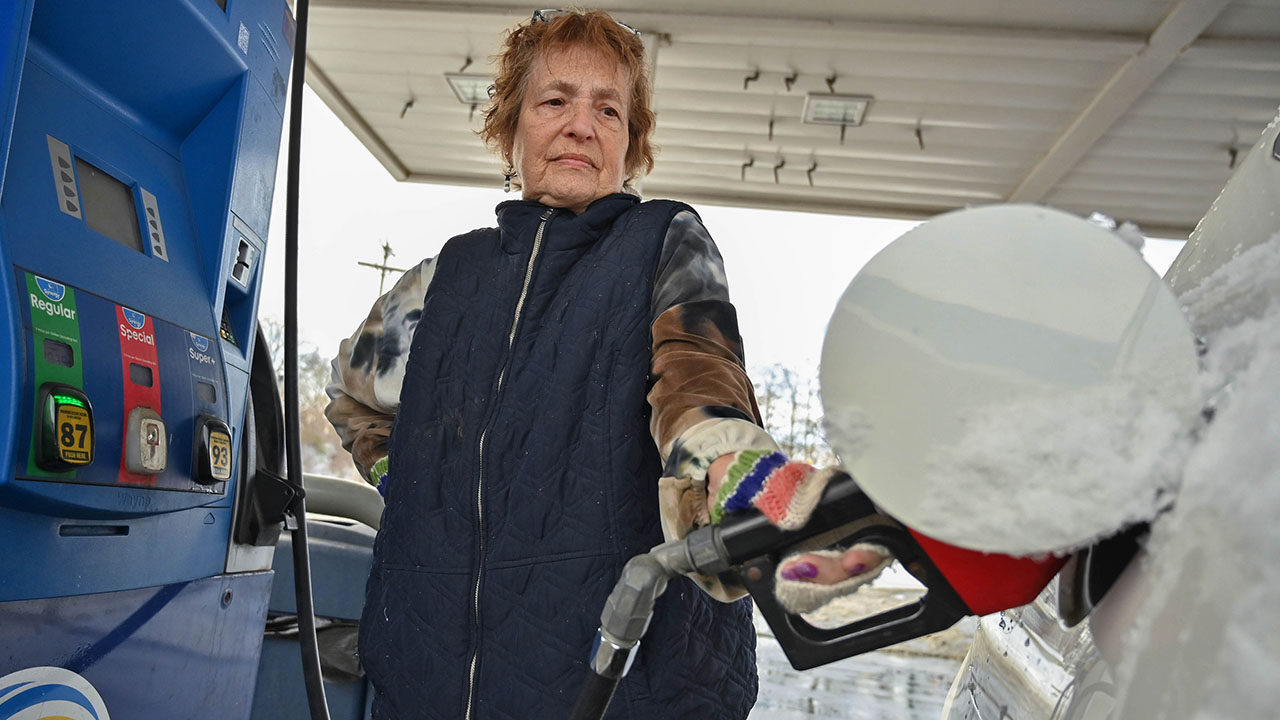
Geopolitical uncertainty combined with the loss of Venezuelan exports could push oil and gasoline prices slightly higher in the weeks ahead, according to an industry expert. Still, prices at the pump would remain at their lowest levels since the COVID-19 pandemic.
Andy Lipow, president of Lipow Oil Associates, projected that oil would rise $3 per barrel in the immediate future, equivalent to less than 10 cents per gallon for gasoline. Still, he said that crude oil prices, which account for nearly half of what consumers pay at the pump, are significantly less than they were even one year ago. As of Monday morning, Brent crude, the international oil benchmark, traded at $60.75 a barrel, while West Texas Intermediate crude was at $57.79 a barrel. That compares with more than $70 a barrel a year ago, Lipow said.
The biggest factors that could affect the oil market in the coming year are whether the unrest in Iran leads to a supply disruption and if the Organization of the Petroleum Exporting Countries and its allies, known as OPEC+, changes its current policy and decides to reinstate voluntary production cuts to increase revenues to meet their country budgetary requirements, according to Lipow.
OIL AND GAS PRICES EXPECTED TO STAY SIGNIFICANTLY LOWER THROUGH 2026
Similarly, GasBuddy's head of petroleum analysis, Patrick DeHaan, said that while the impact on Venezuela is "definitely something to watch," the uptick in oil output from OPEC+ and additions in global refinery output "make the difference again this year."
Venezuela no longer dominates global oil production, with the country's oil output falling sharply ever since its peak in the late-1990s, Lipow said. While disruption there affects markets, it’s not large enough on its own to cause a major global supply shock.
OIL AND GAS DEMAND COULD GROW UNTIL 2050, IEA SAYS
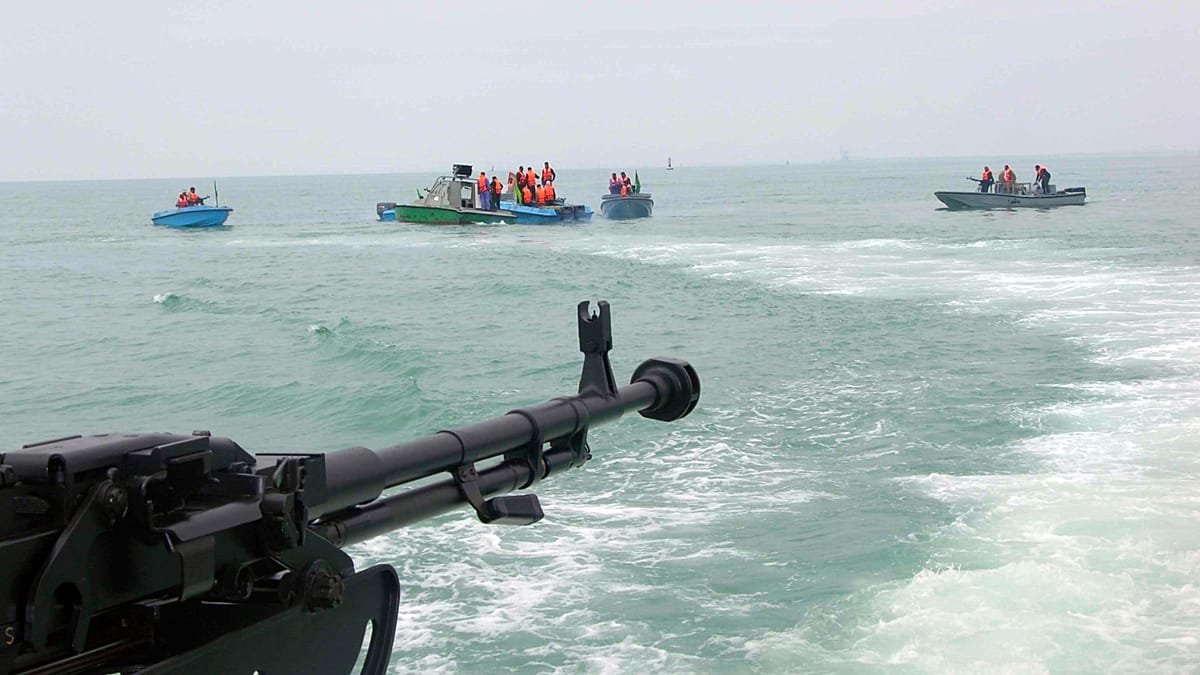
Less than 11% of the world's oil supply comes out of Venezuela, while 20%, or one-fifth of the world’s oil supply, passes through the Strait of Hormuz. Disruptions to the Strait of Hormuz could in turn pose a much larger threat to global supply and prices, which is why it's key to watch instability in Iran, which could come from within or caused by Israeli or U.S. military actions.
US NOW IN CONTROL OF VENEZUELA'S OIL RESERVES, THE LARGEST IN THE WORLD: CHART
Simultaneously, Lipow is concerned that oil prices have stayed so low for so long that they are putting financial pressure on countries in the OPEC+ alliance.
"Their demand forecast has been quite optimistic and the result of the restoration of their voluntary production cuts in 2025 has led to a significant oversupply situation, lower prices and consequently lower revenue," Lipow said.
GET FOX BUSINESS ON THE GO BY CLICKING HERE
He noted that with oil production at record or near record levels in the U.S., Canada, Brazil, Argentina and Guyana, OPEC+ may be forced to cut production such that prices begin to rise.