



















Oil at $84, Tariffs at 15%, Rate Cuts Off the Table: The Triple Shock Hitting Markets Right Now
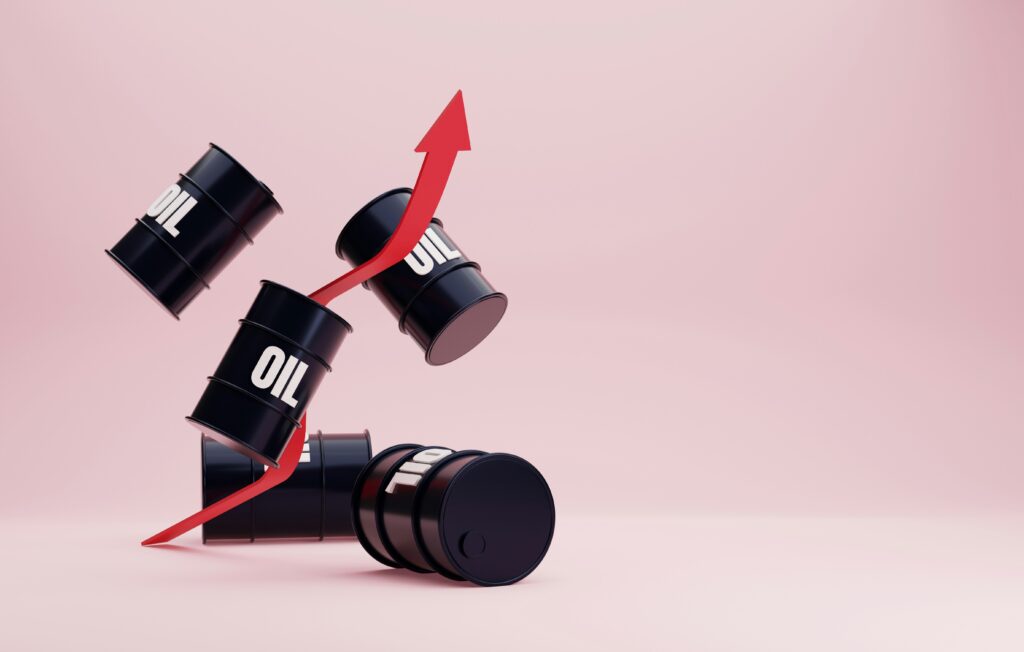
Oil at $84, gas prices surging, a 15% US tariff expected this week, and rate cut hopes fading fast. Here’s why global markets are being squeezed from every direction — and what it means for your money.
Global markets are caught in a three-way squeeze that is testing investor confidence to breaking point: a worsening Middle East conflict, a sudden escalation in US trade policy, and an energy price shock that is already feeding through to household bills and central bank expectations.
The FTSE 100 swung from early optimism to renewed selling pressure on Wednesday as a fresh rally in energy prices reignited inflationary concerns. European indices followed the same trajectory. Asian markets staged a sharp rebound overnight, but US futures have since turned negative as the situation continues to shift by the hour.
The problem for investors is that no single catalyst is driving the volatility. It is the convergence of three simultaneous shocks, each reinforcing the others.
The Iran conflict: oil at $84 and rising
Oil prices have surged to around $84 a barrel, the highest level since late January, as the disruption to crude shipments through the Strait of Hormuz continues to choke global supply. Iraq has already begun shutting in production. Kuwait is expected to follow within days.
President Trump’s offer to escort tankers and backstop insurance has so far failed to reassure the market. Shipping operators remain reluctant to send vessels into contested waters while Iranian missile and drone capabilities are still active.
Adding to the pressure, China has imposed curbs on diesel and petrol exports — a move that tightens global fuel supply at precisely the wrong moment. A build in US crude stocks of 3.5 million barrels last week, more than expected, has provided some limited relief, but not enough to offset the broader supply anxiety.
Gas markets are even more exposed. Qatar’s LNG export plant — the world’s largest — remains out of action, and the key Gulf supply route is disrupted. The resulting surge in gas prices is already being felt in the UK, where major energy providers have begun pulling cheaper fixed-price deals. Household budgets face a direct hit.
Trump’s tariff escalation: 15% and climbing
As if energy-driven inflation were not enough, the Trump administration has added a fresh layer of uncertainty by signalling that blanket global tariffs could rise to 15% as soon as this week.
The move follows the US Supreme Court’s decision to strike down the original tranche of duties as unconstitutional. The White House responded by reimposing 10% tariffs via an alternative legal route, and Treasury Secretary Scott Bessent has now indicated a further increase is imminent.
The implications are significant. Months of bilateral trade negotiations that culminated in deals across multiple regions now appear to have been rendered largely meaningless. Companies importing into the US are scrambling to reassess their cost structures while simultaneously managing the impact of volatile energy prices on supply chains and margins.
For European exporters, the timing is particularly damaging. The eurozone was already contending with inflation data that surprised to the upside before the Iran conflict began. A tariff escalation on top of an energy shock risks tipping sentiment from slowdown to contraction.
Rate cuts are fading — and borrowing costs are rising
The energy price surge is now directly undermining expectations for interest rate relief. Higher oil and gas prices will push up headline inflation readings in the coming months, making it politically and economically difficult for central banks to cut rates even if growth is weakening.
Market expectations for rate reductions from both the Bank of England and the Federal Reserve are rolling back sharply. Gilt and Treasury yields are rising in response, which in turn increases government borrowing costs and inflates the burden of national debt.
This creates a painful feedback loop. Governments that need fiscal headroom to respond to a crisis are finding that headroom shrinking in real time. Consumers hoping for mortgage relief are watching that prospect recede. And businesses already dealing with supply chain disruption and geopolitical risk now face the prospect of tighter financial conditions as well.
What investors are watching
The next 48 hours will be shaped by three things: whether the tariff increase is formally announced, whether further Gulf oil production goes offline, and whether central bank rhetoric shifts in response to the energy shock. Any one of those developments would move markets. All three arriving simultaneously is why volatility is unlikely to subside soon.
This is not a single-issue selloff. It is a repricing of risk across energy, trade and monetary policy — all at once.
FAQ
How are the Iran war and US tariffs affecting markets at the same time? The Iran conflict is driving oil above $84 and gas prices sharply higher, reigniting inflation fears. Simultaneously, the Trump administration is raising blanket tariffs to 15%, increasing costs for importers. Together, these forces are pushing up inflation expectations, reducing the likelihood of interest rate cuts, and squeezing corporate margins — creating a triple headwind for equity markets across Europe, Asia and the US.
Will the Bank of England still cut interest rates in 2026? Market expectations for rate cuts are fading. Higher energy prices are expected to push up headline inflation, making it harder for the Bank of England to justify reductions even as growth slows. Rising gilt yields are already increasing government borrowing costs. Unless energy prices fall back quickly or the conflict resolves, the rate-cutting cycle that many investors had been counting on may be delayed significantly or paused altogether
The post Oil at $84, Tariffs at 15%, Rate Cuts Off the Table: The Triple Shock Hitting Markets Right Now appeared first on European Business & Finance Magazine.