


















Negotiating Without Borders: What Europe Can Learn From Itself in 2026

Negotiations rarely fail because of missing information. They fail because of misunderstanding how the other side thinks, decides and communicates. Across Europe in 2026, companies are navigating compressed margins, shifting trade relationships and heightened regulatory scrutiny. Against that backdrop, the ability to negotiate effectively across cultural lines has moved from a soft skill to a genuine competitive advantage.
The assumption that a shared market creates a shared negotiating logic is one of the more expensive errors European executives make. A procurement director from Munich and a counterpart from Lyon may share the same contract law and the same spreadsheet, but they are operating from fundamentally different assumptions about what a negotiation is for, how it should proceed and what a good outcome looks like. The gap between those assumptions is where value is lost.
Germany: Where Preparation Is a Moral Commitment
German negotiating culture is built on thoroughness. Arriving unprepared is not merely a tactical weakness, it signals disrespect. Data, engineering specifications and financial models form the backbone of any serious exchange. Executives from Siemens, Bosch or a Mittelstand manufacturer in Baden-Württemberg will typically have stress-tested their position before they sit down, and they will hold it with conviction.
That consistency has real value. Counterparts know where they stand. Commitments, once made, are kept. The challenge arises when positional discipline tips into positional rigidity: when moving off an opening stance is read internally as weakness rather than as a deliberate trade for something of greater value. Effective negotiation training for German-speaking teams tends to focus precisely here, preserving analytical rigour while building the situational agility to adapt when the deal demands it.
The pressure context matters too. Research into current German negotiating practice, including insights from practitioners operating under significant commercial and time pressure, confirms that German negotiators consistently rate preparation and process clarity as the most decisive factors in outcome quality. That finding holds across sectors, from infrastructure to financial services.
France: The Argument Is the Process
Negotiating with a French counterpart for the first time can feel like an ambush. Fundamental assumptions get challenged. Positions that seemed settled are reopened. The intellectual framework of the deal is contested before the commercial terms are even tabled. This is not obstructionism. In most cases it is the opposite: a signal that the other side is genuinely engaged.
The tradition of the grandes écoles and a culture of formal debate have produced generations of executives who treat rhetorical rigour as a professional standard. Credibility is established through the quality of argument, not the warmth of delivery. Compromise is acceptable only when it sits within a conceptual framework that both sides can defend. A concession handed over without a rationale is not generosity; it reads as weakness.
For German or Scandinavian negotiators, the practical implication is clear: challenge is not rejection. The ability to hold a position under intellectual pressure, and to engage seriously with a counter-argument rather than simply restating the original case, is the decisive skill in the room.
Scandinavia: Consensus as a Speed Mechanism
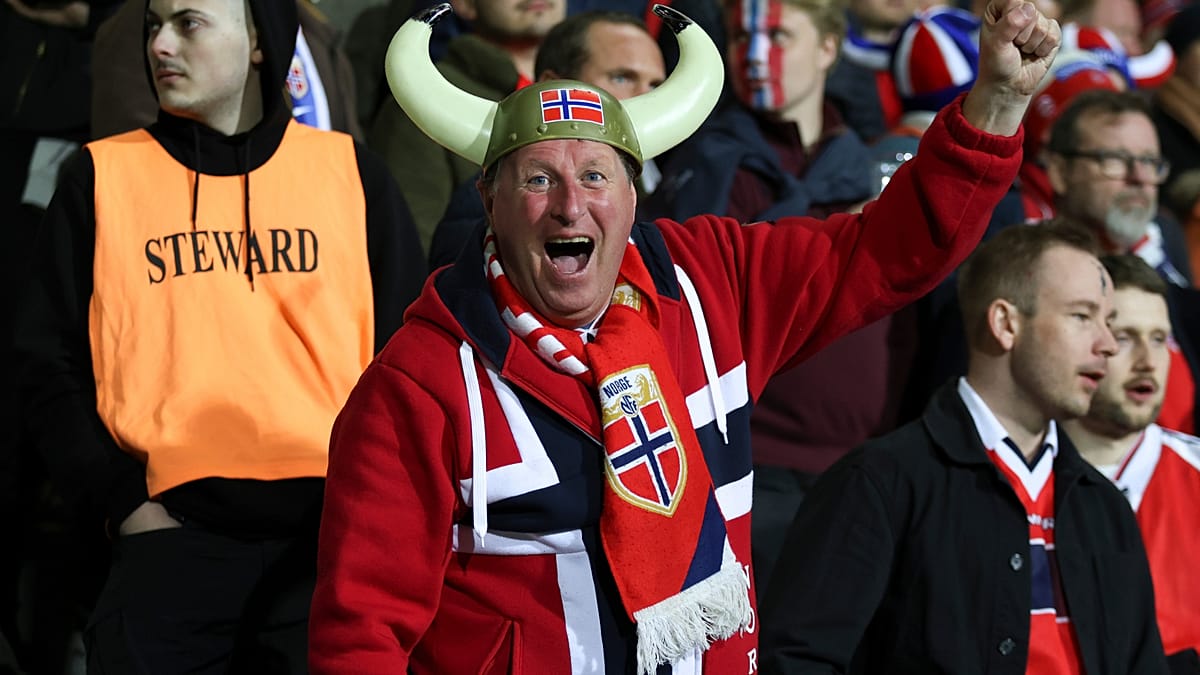
In Sweden, Norway and Denmark, the negotiation process is structurally oriented toward joint problem-solving. The goal is not to persuade an opponent but to arrive, together, at an agreement that everyone present can stand behind. This model is rooted in decades of social partnership tradition and a flat organisational culture that distributes decision-making broadly.
What looks like hesitation from the outside is frequently efficiency. Decisions made by genuine consensus are implemented faster and with less internal friction than those imposed from above. A German buyer negotiating a supply agreement in Stockholm who mistakes the internal alignment process for delay is likely to apply pressure at exactly the wrong moment, and to damage the relationship in doing so.
The model has a known vulnerability: in situations that require explicit conflict, the shift from consensus-seeking to clear positional advocacy is genuinely difficult. Negotiation programmes designed for Nordic leadership teams have to build that capability deliberately, without dismantling the collaborative instincts that give the culture its structural strengths.
High-Stakes Variants: Private Equity and Key Accounts
Cultural dynamics become sharper under pressure, and two negotiating contexts illustrate this particularly well across European markets: private equity transactions and strategic customer relationships.
Private equity deal negotiations compress cultural differences into a short window and amplify them. A French founder selling to a German PE firm, or a Scandinavian management team navigating terms with an Anglo-American fund, faces not just a commercial negotiation but a cultural one. Practical guidance on negotiating successfully with private equity investors points to preparation depth and clarity of walk-away position as the most differentiating factors, regardless of which cultural model is in play. The implication is that shared analytical rigour can bridge cultural distance, provided both sides understand what the other side needs in order to say yes.
Customer negotiations where the relationship cannot be put at risk present a different challenge. The instinct, across most European cultures, is to protect the relationship by avoiding hard positions. That instinct is understandable and usually wrong. As analysis of high-value customer negotiation dynamics makes clear, the executives who protect key accounts most effectively are those who negotiate with the greatest clarity, not the greatest softness. Vagueness in a commercially sensitive relationship does not reduce tension; it defers and compounds it.
What the Negotiation Table Reveals About Organisation
One of the more counterintuitive lessons from cross-cultural negotiation practice is how much the table reveals about the organisation behind it. The way a team prepares, who speaks and when, how dissent is handled internally before a meeting, how concessions are authorised: all of these are cultural artefacts, and all of them are visible to an attentive counterpart.
There is a parallel here with couples therapy, of all places. The observation that what relationship counselling can teach us about negotiation is not as frivolous as it sounds. The core insight, that parties in conflict often argue about positions while the real disagreement lies at the level of underlying interests and unspoken assumptions, applies directly to commercial negotiation. The German negotiator who cannot understand why the French side keeps reopening agreed points may be missing that those points were never truly agreed at the level of principle.
The same dynamic appears in regulated sectors. Banks and financial institutions operating across European jurisdictions face the additional complexity of negotiating under supervisory scrutiny, where the audience is not only the counterpart but also the regulator observing the process. Analysis of why banks urgently need to rethink their negotiation capabilities points to a consistent gap between technical expertise and negotiation discipline in financial services teams, a gap that becomes acutely visible in cross-border M&A, syndicated lending and regulatory engagement.
Building the Capability, Not Just the Awareness
Understanding cultural difference is necessary but not sufficient. Awareness without practice changes very little. The organisations that perform consistently well in cross-cultural negotiating contexts are those that treat negotiation as an organisational capability, something that is built, measured and refined over time, rather than a personal quality distributed unevenly across the leadership population.
The Gap Partnership works with companies across Germany, France, the Benelux region and the Nordic markets to develop exactly this kind of systematic capability. The starting point is always the same: not what the other side wants, but how they think. From that foundation, The Gap Partnership, the global specialist in negotiation training and advisory (Verhandlungsberatung) builds programmes that are grounded in real commercial context, not generic frameworks.
Europe has one of the most complex negotiating environments in the world. The companies that navigate it well in the years ahead will not be those with the cleverest individuals at the table. They will be the ones that understood, and acted on, the difference between talking to a counterpart and truly negotiating with one.
The post Negotiating Without Borders: What Europe Can Learn From Itself in 2026 appeared first on European Business Magazine.