
























Mastering Risk and Reward: Lessons from Business and Strategy
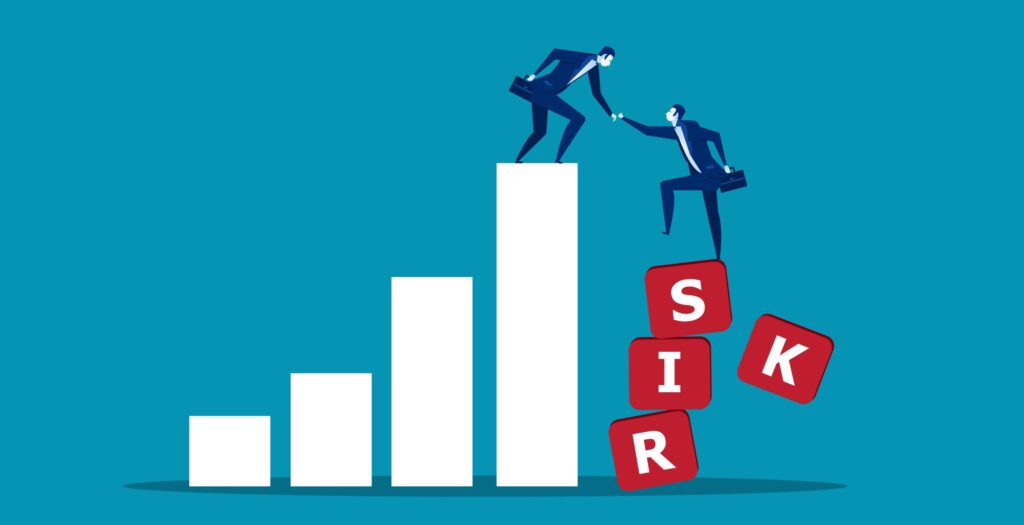
Business is a game of “Should I or shouldn’t I?”— except the stakes are real, and the wrong move can cost you big. Every investment, product launch, and financial decision is a roll of the dice, but smart leaders don’t leave things to chance. They weigh the risks, do their homework, and make moves that set them up for long-term success.
The best businesses don’t rely solely on gut feelings; they learn from past wins (and epic fails), adjust their strategy, and make smarter decisions. Understanding this balance is the key to thriving in an unpredictable market.
Calculated Risk Leads to Sustainable Growth
Risk is a natural part of business, but not all risks are worth taking. Successful companies know the difference between a calculated risk and a reckless decision. Instead of acting impulsively, they rely on research, data analysis, and industry trends to make informed choices.
A practical approach involves assessing both short-term risks and long-term rewards. Just like how skilled players analyse odds in competitive blackjack tournaments, business leaders also evaluate potential risks before making strategic moves. Expanding into new markets, adjusting pricing strategies, or launching a product should be decisions based on logical assessment rather than guesswork.
Amazon’s expansion into cloud computing with Amazon Web Services (AWS) is a prime example of a calculated risk. In the early 2000s, no other e-commerce company invested heavily in cloud technology. However, Amazon recognised the growing demand for digital infrastructure and took a measured risk.
Today, AWS is a multi-billion-dollar business and a key profit driver.
Testing ideas on a smaller scale before committing fully can prevent significant losses. Many businesses first introduce new products in select regions or trial new marketing strategies with limited audiences.
Strategic Planning Reduces Uncertainty
Planning helps businesses navigate unpredictable situations. A logical strategy ensures risks are evaluated carefully rather than taken on a whim. Without structure, companies are more likely to make reactionary decisions that may lead to unnecessary financial strain.
Data-driven planning allows businesses to anticipate potential obstacles. Companies that utilise forecasting models and market analysis can more accurately anticipate changes in demand, economic downturns, and competitive pressures. This proactive approach reduces uncertainty and helps businesses remain steady in volatile environments.
Tesla’s long-term strategy of producing electric vehicles (EVs) in a market dominated by petrol-powered cars seemed risky at first. However, Tesla focused on planning, investing in battery technology, and securing government incentives. The company became a leader in the EV industry through careful financial and production planning, proving that a well-executed strategy can transform a niche idea into a dominant market force.
Learning from Failure Strengthens Decision-Making
No business is immune to failure, but those who learn from mistakes often return stronger. Reviewing past errors helps companies recognise what went wrong and develop better strategies for the future. Treating failure as a learning opportunity instead of a setback allows businesses to develop.
Patterns of failure often provide logical insights into areas that need improvement. Some businesses struggle because they scale too quickly, while others fail because of poor financial management or ineffective marketing. Understanding these patterns prevents repeated mistakes and encourages smarter decision-making.
In 2011, Netflix attempted to split its DVD rental and streaming services, branding the DVD business as Qwikster. The move confused customers and led to subscriber losses. Instead of sticking with the decision, Netflix listened to customer feedback, abandoned Qwikster, and doubled down on streaming.
Today, the company dominates the industry, proving that learning from failure can drive success.
Adaptability Ensures Long-Term Success
Industries grow, and businesses must be prepared to strengthen with them. Companies that resist change often find themselves outpaced by more innovative competitors. Staying adaptable ensures businesses can respond to new trends and challenges without falling behind.
Monitoring industry shifts helps businesses stay ahead of potential risks. Whether it’s the rise of digital marketing, changing consumer expectations, or new regulatory policies, staying informed allows businesses to adjust before problems arise. Companies that embrace change rather than fear it position themselves for long-term success.
Netflix successfully transitioned from a DVD rental service to a streaming giant and later expanded into original content production. Many traditional media companies failed to adapt to the digital shift as quickly as Netflix did. Because of its willingness to embrace change, Netflix maintained its competitive edge in an industry that continues to evolve.
Businesses that experiment with new ideas, streamline processes, or adopt emerging technologies often gain a significant advantage. While not every change will lead to success, those who remain open to innovation are more likely to achieve sustainable growth.
Conclusion
If business had a rulebook, the first chapter would say: Nothing great comes without risk. But the trick isn’t avoiding risk; it’s understanding which ones are worth taking. The best leaders don’t gamble blindly. They analyse, strategise, and make moves that set them up for success.
So, take the lessons, trust the process, and don’t be afraid to step outside your comfort zone. Smart risks lead to smart growth, and that’s what winning in business is all about.
The post Mastering Risk and Reward: Lessons from Business and Strategy appeared first on European Business & Finance Magazine.