


































Ledger Eyes $4 Billion NYSE IPO: French Crypto Wallet Maker’s Bold US Market Entry
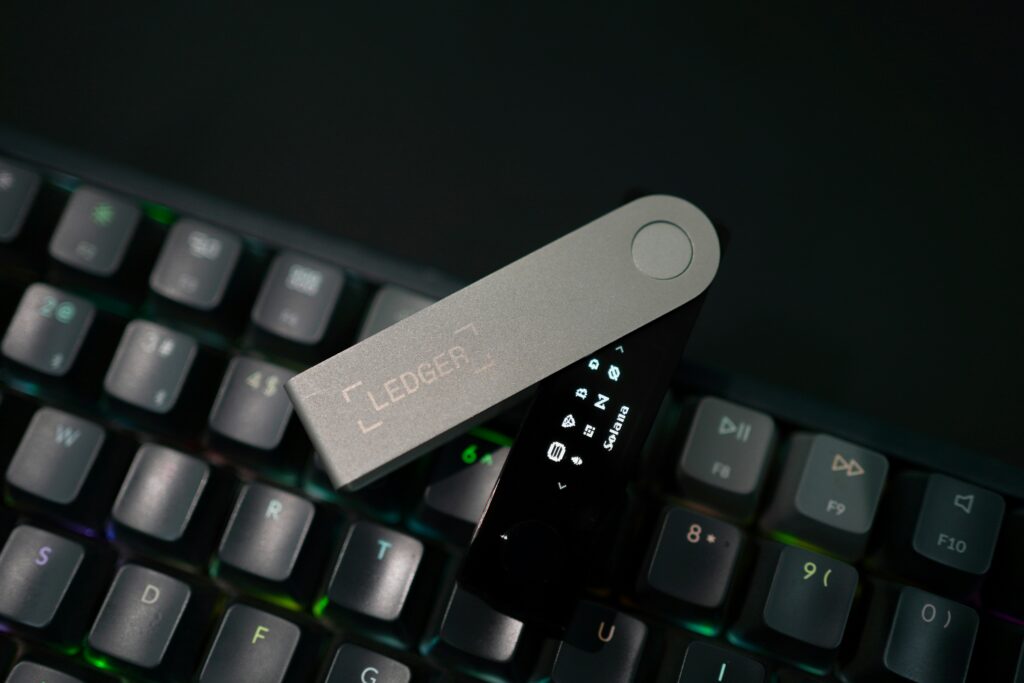
Ledger, the French hardware cryptocurrency wallet manufacturer, is positioning itself for one of the most significant public offerings in the digital asset sector, with plans to list on the New York Stock Exchange later this year at a valuation exceeding $4 billion. This ambitious move signals growing institutional confidence in cryptocurrency infrastructure and represents a pivotal moment for European fintech companies seeking access to deeper American capital markets.
The timing of Ledger’s IPO proves particularly intriguing given the cyclical nature of cryptocurrency markets and recent regulatory developments on both sides of the Atlantic. By choosing the NYSE over European exchanges, Ledger demonstrates its belief that American investors possess greater appetite for crypto-adjacent investments and deeper pockets to support its growth ambitions. This decision also reflects the broader trend of European technology companies viewing US markets as essential for achieving scale and liquidity.
Founded in 2014, Ledger has established itself as a market leader in hardware wallets—physical devices that store cryptocurrency private keys offline, protecting digital assets from online hacking attempts. These “cold storage” solutions have become increasingly vital as cryptocurrency adoption has expanded beyond early enthusiasts to institutional investors, family offices, and retail users managing substantial holdings. The company’s flagship products, the Ledger Nano S and Nano X, have sold millions of units globally, positioning it as the dominant player in a niche but critical market segment.
The proposed $4 billion valuation represents a significant premium in an industry where valuations have fluctuated wildly alongside cryptocurrency prices. During the 2021 bull market, crypto-related companies commanded astronomical multiples, only to see valuations collapse during the subsequent bear market and scandals including the spectacular implosion of FTX. Ledger’s ability to command such a valuation suggests investors view hardware wallet manufacturers as providing essential infrastructure rather than speculative exposure to digital asset price movements.
Several factors support Ledger’s bullish valuation expectations. First, the company generates recurring revenue through its Ledger Live software platform, which facilitates cryptocurrency transactions and staking while providing Ledger with ongoing customer engagement beyond initial hardware sales. This subscription-style revenue model appeals to public market investors seeking predictable cash flows rather than one-time product sales.
Second, growing regulatory clarity around cryptocurrency custody requirements in major jurisdictions favours established players like Ledger. As regulators increasingly mandate institutional-grade security for digital asset storage, companies with proven track records and robust security protocols gain competitive advantages. Ledger’s decade-long operating history without major security breaches positions it favourably as compliance requirements tighten globally.
Third, the intersection of cryptocurrency adoption and geopolitical tensions has amplified demand for self-custody solutions. Recent banking sector instabilities and concerns about monetary policy have driven renewed interest in alternative assets, while political uncertainties have increased demand for wealth storage solutions that exist outside traditional financial systems. Ledger’s hardware wallets directly address these concerns, offering users complete control over their digital assets without intermediary risk.
However, significant challenges cloud Ledger’s path to public markets. The company faced reputational damage in 2023 when a data breach exposed customer information, raising questions about its operational security beyond its core product offerings. While the breach did not compromise cryptocurrency holdings themselves, it highlighted vulnerabilities in the company’s peripheral systems and prompted difficult conversations about data protection practices.
Competition also intensifies from multiple directions. Established technology giants including Samsung and Apple have incorporated cryptocurrency wallet functionality into their devices, potentially commoditising basic storage functions. Meanwhile, software-based “hot wallets” continue improving security features, challenging hardware wallets’ value proposition for users managing smaller holdings. Ledger must articulate compelling differentiation beyond security to justify premium pricing and sustain growth.
The regulatory landscape presents both opportunity and risk. While increasing oversight may benefit established players, prescriptive regulations could constrain innovation or impose costly compliance burdens. Ledger’s French domicile subjects it to European Union regulations including MiCA (Markets in Crypto-Assets), while NYSE listing would trigger US securities law obligations. Navigating this dual regulatory framework while maintaining operational flexibility will test management capabilities.
Market timing considerations loom large. Cryptocurrency markets exhibit pronounced cyclicality, and public offerings during market downturns typically achieve disappointing valuations. Ledger’s decision to proceed this year suggests confidence that current market conditions—characterised by Bitcoin’s resilience and growing institutional adoption—provide favourable listing windows. However, macroeconomic headwinds including elevated interest rates and geopolitical uncertainties could dampen investor enthusiasm.
The IPO also represents a crucial test for European cryptocurrency companies’ ability to access American capital markets. Success would likely encourage other European crypto infrastructure providers to pursue similar strategies, while failure might reinforce perceptions that European companies struggle to achieve valuations comparable to American counterparts. For French President Emmanuel Macron’s government, which has actively promoted Paris as a European cryptocurrency hub, Ledger’s performance carries symbolic significance.
Looking ahead, Ledger’s public market debut will provide important signals about investor appetite for cryptocurrency infrastructure investments distinct from direct digital asset exposure. A successful offering at or above the targeted valuation would validate the thesis that security-focused infrastructure commands premium multiples regardless of underlying cryptocurrency price volatility. Conversely, a disappointing reception might suggest investors remain sceptical about cryptocurrency’s long-term mainstream adoption prospects.
For Ledger, the journey from French startup to NYSE-listed company represents both validation and transformation. Public market disciplines including quarterly reporting requirements and shareholder scrutiny will demand operational rigour and strategic clarity. Whether the company can maintain its innovative edge while satisfying public market expectations remains the central question surrounding this ambitious offering.
The post Ledger Eyes $4 Billion NYSE IPO: French Crypto Wallet Maker’s Bold US Market Entry appeared first on European Business & Finance Magazine.