
























Iraq Is Already Shutting Oilfields. Kuwait Is Next. Here’s the Gulf Storage Crisis Explained
Iraq has already started cutting output. Kuwait could follow within days. Saudi Arabia may have as little as two weeks before it has to shut in production. Here’s what it means for markets.
The Gulf’s biggest oil producers are running out of room to store crude — and running out of time to resume exports before they are forced to cut production entirely.
Iraq became the first major exporter to begin winding down output this week, reducing production at three of its largest oilfields as the Strait of Hormuz remains effectively closed to commercial tanker traffic. The shutdowns mark a dramatic escalation in the economic fallout from the Iran conflict, shifting the crisis from financial markets into the physical infrastructure of global energy supply.
The domino effect
The production losses are cascading through the Gulf in a predictable sequence, determined by each country’s storage capacity and export dependency on the Hormuz chokepoint.
Iraq is already offline by more than two million barrels per day. Senior oil traders estimate that a further 1.5 million barrels per day are at risk within the next one to two days, with Kuwait expected to follow shortly after. The UAE faces a similar crunch within roughly five days. And if the strait remains blocked beyond two weeks, Saudi Arabia itself could be forced to curtail output — a scenario that would remove the world’s most important swing producer from the market.
JPMorgan analysts estimate a slightly longer timeline but reach the same conclusion: more than three million barrels per day could be offline by Sunday, rising to nearly five million if the conflict extends beyond two and a half weeks. For context, that would represent roughly five per cent of global supply — a larger disruption than any single event since the 1990 Iraqi invasion of Kuwait.
Why storage is the bottleneck
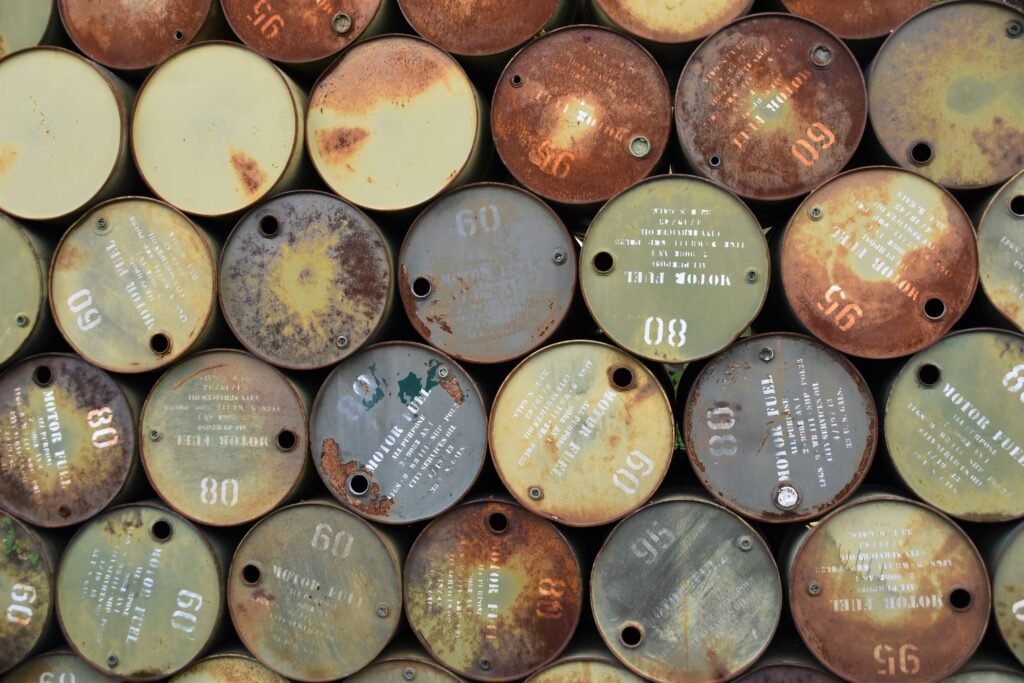
Gulf producers cannot simply keep pumping if they cannot export. Onshore storage tanks fill up, pipelines back up, and wells must be shut in. Restarting them is neither instant nor cheap — particularly for Iraq’s older fields, where prolonged shutdowns risk longer-term reservoir damage.
The physical constraints explain why oil prices, while elevated, have not yet breached the $100 mark that many analysts predicted at the weekend. Markets are pricing in disruption but also betting on a relatively short conflict. If production shutdowns materialise at scale, that assumption will be tested rapidly.
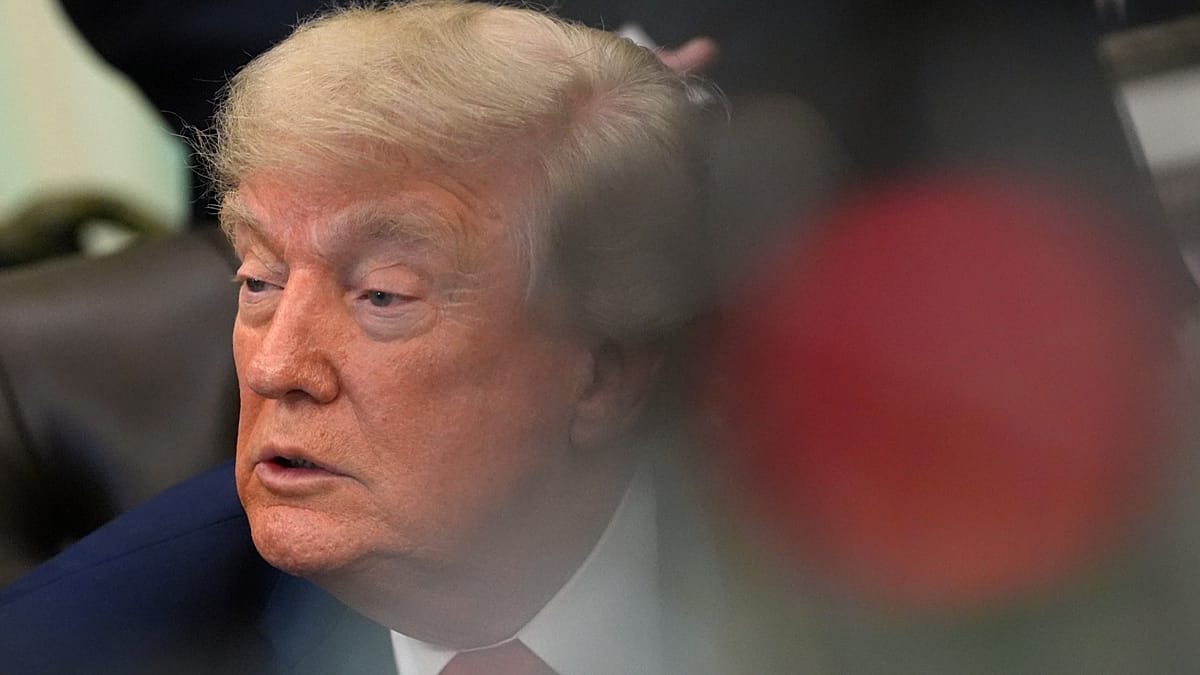
Trump’s tanker escort offer
On Tuesday, the US offered naval escorts and additional insurance guarantees to encourage tanker operators to resume voyages through the strait. However, no timeline was given for implementation, and shipping industry sources remain sceptical that insurers will provide adequate war-risk cover while Iranian missile and drone capabilities remain active across the Gulf.
The escort proposal also raises practical questions. Convoys move at the speed of the slowest vessel, require significant naval coordination, and do nothing to address the threat of sea mines — a tactic Iran has employed in previous conflicts. Even if escorts begin within days, the backlog of stranded cargoes and the logistical challenge of restarting shut-in production mean supply disruption would persist well beyond the first escorted voyage.
What happens next
The next 72 hours are critical. If Kuwait’s production begins falling — and traders expect it will — the cumulative loss approaches the threshold where global spare capacity cannot compensate. Saudi Arabia’s own reserves of storage space become the last buffer between a manageable disruption and a full-blown supply crisis.
The oil market is no longer trading on sentiment. It is trading on physics: how many barrels can be stored, for how long, before wells must close.
FAQ
How much oil production is at risk from the Strait of Hormuz closure? Traders estimate that more than two million barrels per day have already been lost from Iraq, with a further 1.5 million at risk imminently. If the strait remains closed for two to three weeks, total losses could reach nearly five million barrels per day — roughly five per cent of global supply — as Kuwait, the UAE and eventually Saudi Arabia are forced to shut in production due to storage constraints.
Can US naval escorts solve the tanker blockage? The US has offered naval escorts and additional insurance to encourage tanker traffic through the strait, but no implementation timeline has been provided. Shipping industry experts remain cautious, as war-risk insurance remains prohibitively expensive and the threat of Iranian missiles, drones and sea mines persists. Even if escorts begin soon, restarting shut-in oil production and clearing the cargo backlog would take additional time, meaning supply disruption is likely to continue regardless.
The post Iraq Is Already Shutting Oilfields. Kuwait Is Next. Here’s the Gulf Storage Crisis Explained appeared first on European Business & Finance Magazine.