

























Iran War Enters New Phase as Oil Facilities Burn — Why $100 Oil Is Only A Matter of Time
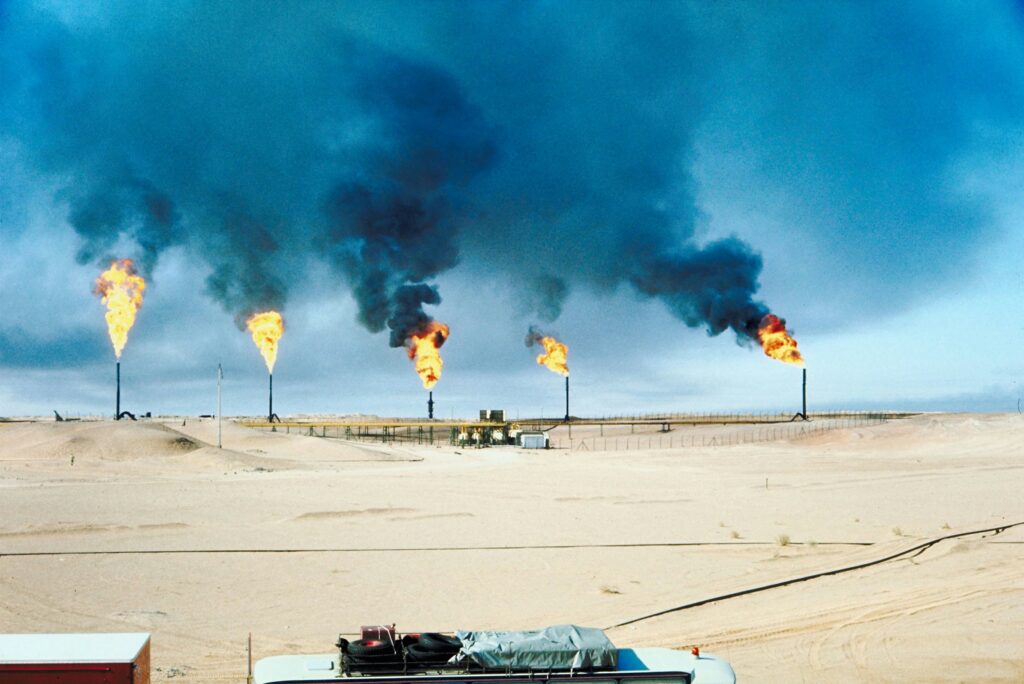
Nine days into the Iran war, the conflict crossed a threshold that energy markets had been dreading since the first strikes on February 28. In the early hours of Sunday morning, pillars of flame rose above Tehran as Israeli jets struck fuel storage facilities across the Iranian capital — the first time oil infrastructure inside Iran itself has been directly targeted since the war began. Thick smoke filled the sky over Tehran after Israeli airstrikes hit Iran’s oil facilities for the first time since the war started, killing at least four tanker drivers. Despite the attack, Iranian authorities insisted there was no shortage of fuel distribution, with security forces engaged in firefighting operations.The orange glow visible across the city told a different story to a watching world — and energy markets opened the week with oil already pressing toward levels not seen since before the 2008 financial crisis.
US and Israeli strikes targeted fuel storage facilities in Tehran, marking the first reported attacks on Iran’s oil infrastructure since the start of the war. The IDF said Israeli Air Force jets struck several fuel storage complexes used by Iran’s military, acting on intelligence guidance, stating the tanks were used to support military infrastructure and supply fuel to military entities.Israel was careful to frame the strikes in military rather than economic terms — but the distinction is becoming increasingly academic as the war’s reach expands and the cumulative damage to regional energy infrastructure mounts with every passing day.
Iran’s Retaliation — and How Far It Has Spread
Tehran’s response has been neither contained nor discriminate. Since the war began, Iran has launched more than 500 ballistic missiles and 2,000 drones at targets across the region — and the geographic footprint of those attacks is widening daily. Saudi Arabia’s 550,000 barrel-per-day Ras Tanura refinery sustained limited damage from falling debris after drone interceptions, while Bahrain’s 405,000 barrel-per-day Sitra refinery and storage facilities at the ports of Fujairah in the UAE and Duqm in Oman were also targeted. An Iranian drone damaged a water desalination plant in Bahrain. A government building in Kuwait City was set ablaze after an overnight attack. Israel renewed its assault on southern Lebanon and struck a Ramada hotel in central Beirut, killing four people including commanders of Iran’s Revolutionary Guard Quds Force.
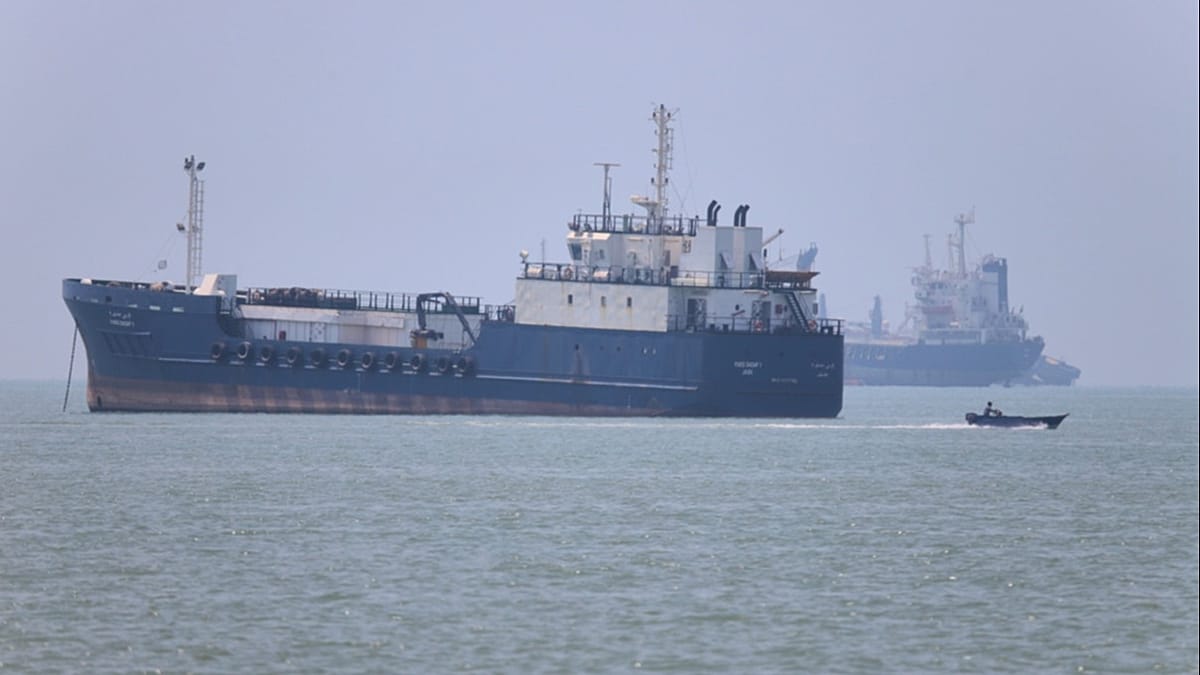
The energy consequences of Iran’s regional strikes are now being felt across the Gulf’s production and export infrastructure in ways that go well beyond the Strait of Hormuz closure. Kuwait’s state-owned oil firm KPC began reducing crude output and refinery runs after oil exports were effectively halted by the war, subsequently issuing a force majeure on crude and refined product exports. Qatar has already shut down its massive LNG production facilities after coming under attack. Tanker traffic through the Strait of Hormuz — the main route for Mideast Gulf crude exports — has almost come to a standstill since the war began.
The force majeure declaration by Kuwait is a significant escalation of the energy crisis. It means Kuwait is formally notifying its contract buyers that it cannot fulfil its delivery obligations — a legal designation that triggers insurance clauses, alternative sourcing requirements, and panic buying across global commodity markets simultaneously.
What This Means for Oil and Gas Prices
Brent crude has already surged 28% in a single week to $92 a barrel — the biggest weekly gain since records began. Goldman Sachs warned last week that prices would likely exceed $100 if no signs of a Hormuz solution emerged. That assessment was made before Tehran’s oil facilities were directly struck, before Kuwait declared force majeure, and before Qatar’s LNG shutdown became a reality. The picture has deteriorated materially since those words were written.
The new phase of the conflict introduces several additional upward pressures on price that were not previously in the market’s calculation. First, direct strikes on Iranian oil infrastructure signal that energy supply disruption is now a deliberate strategic tool rather than collateral damage — meaning the market must price the possibility that further strikes deepen Iran’s domestic fuel crisis and trigger retaliatory attacks on Saudi, UAE or Iraqi oil infrastructure at a far greater scale than seen so far. Second, Kuwait’s force majeure removes a meaningful volume of Gulf supply from the market at exactly the moment when alternative sources are already stretched. Third, Qatar’s LNG shutdown has implications that extend well beyond oil — European gas prices, already elevated following the Iran war’s opening week, face additional upward pressure as the continent’s most significant LNG supplier goes dark.
Iran’s Revolutionary Guards stated the country could sustain an “intense war” with the US and Israel for at least six months. That assessment is accurate — and there is no immediate reason to doubt it — the energy market is not pricing a short, sharp shock followed by resolution. It is pricing a sustained multi-month disruption to the world’s most critical oil and gas export corridor, with active conflict spreading across the infrastructure of multiple producing nations simultaneously.
Trump’s position offers no comfort to those hoping for a swift diplomatic exit. He has publicly demanded Iran’s unconditional surrender, threatened further strikes, and declared that the war will only end when Iran’s leaders “cry uncle” or their military is no longer functional. Iran’s President Pezeshkian, filming what appeared to be a hurried statement, rejected unconditional surrender entirely: “That’s a dream that they should take to their grave.” Fuel distribution in Tehran was temporarily interrupted after the strikes on oil depots, with the city’s governor confirming damage to the fuel supply network. Iran may be insisting publicly there is no fuel shortage — but black raindrops falling on Tehran windows from burning oil facilities tell a different story to its own population.
The Weeks Ahead
The trajectory for oil and gas in the coming weeks depends on three variables: whether diplomatic back-channels produce any ceasefire framework, whether Iran’s retaliation expands to directly target Saudi Aramco’s core production infrastructure, and whether the Strait of Hormuz remains effectively closed.
On all three counts, the outlook has worsened significantly since last week. Netanyahu has promised “many surprises” for the next phase of the conflict. Israel has threatened to target any successor to Khamenei. Iran’s Assembly of Experts has reached a decision on a new supreme leader — whose identity has not yet been announced — in circumstances that could either stabilise Tehran’s chain of command or trigger another round of Israeli strikes aimed at decapitating the new leadership before it can consolidate power.
Saudi Arabia said it destroyed drones headed toward its vast Shaybah oilfield and shot down a ballistic missile launched toward Prince Sultan Air Base, which hosts US forces. In Dubai, several blasts were heard and the government said it had activated air defences, with passengers at Dubai International Airport ushered into train tunnels.The Gulf’s civilian infrastructure is now inside the conflict’s operational radius in a way that was not true seven days ago — and the economic consequences for European businesses and consumers relying on Gulf energy will be severe if those attacks intensify.
$100 oil is no longer a forecast. At the current pace of escalation, it is an arithmetic inevitability. The only question is how far beyond it this conflict takes us — and how much of the global economy survives the journey intact.
FAQ
Q: Why does striking Tehran’s oil facilities change the war’s dynamic so significantly? A: Until this weekend, US-Israeli strikes had focused primarily on military targets — missile production sites, air defence systems, command infrastructure, and leadership. Striking fuel storage facilities in the Iranian capital crosses into economic warfare targeting civilian supply chains, regardless of how Israel frames the military justification. It signals that the conflict’s next phase may include broader attacks on Iran’s energy export capacity, refinery infrastructure, and petrochemical industry — escalations that would deepen Iran’s domestic crisis, potentially accelerate regime pressure, but also trigger far larger retaliatory strikes on Gulf energy infrastructure than seen so far.
Q: What does Kuwait’s force majeure mean for global oil supply? A: A force majeure declaration means Kuwait is formally notifying international buyers that it cannot meet its contractual crude and refined product export obligations due to circumstances beyond its control — in this case the effective closure of the Strait of Hormuz and active conflict across the Gulf. For global markets this means a meaningful volume of contracted Gulf supply has been formally removed from the market, triggering emergency sourcing requirements, insurance complications, and upward price pressure simultaneously. Combined with Qatar’s LNG shutdown and Saudi Arabia’s own defensive posture, the cumulative supply disruption is now larger and more structurally entrenched than at any point since the war began.
The post Iran War Enters New Phase as Oil Facilities Burn — Why $100 Oil Is Only A Matter of Time appeared first on European Business & Finance Magazine.