














How America Replaced Lloyd’s of London in 48 Hours — and Took Control of the World’s Most Critical Oil
The 300-Year Empire That Died in 48 Hours — and Who Just Replaced It
Something fundamental shifted in global power last week. It happened quietly, without a treaty signing or a military declaration, buried beneath the noise of oil price headlines and diplomatic communiqués. But its implications for who controls the world’s energy infrastructure — and therefore the world economy — are as significant as anything that has happened in the past three decades.
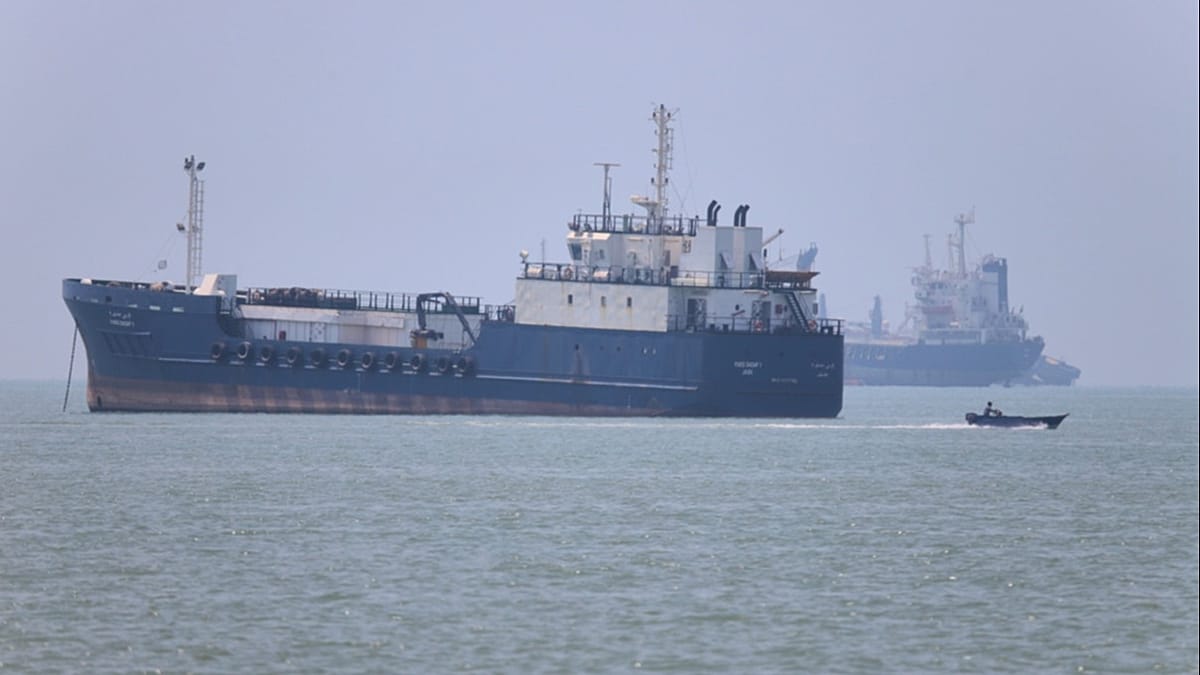
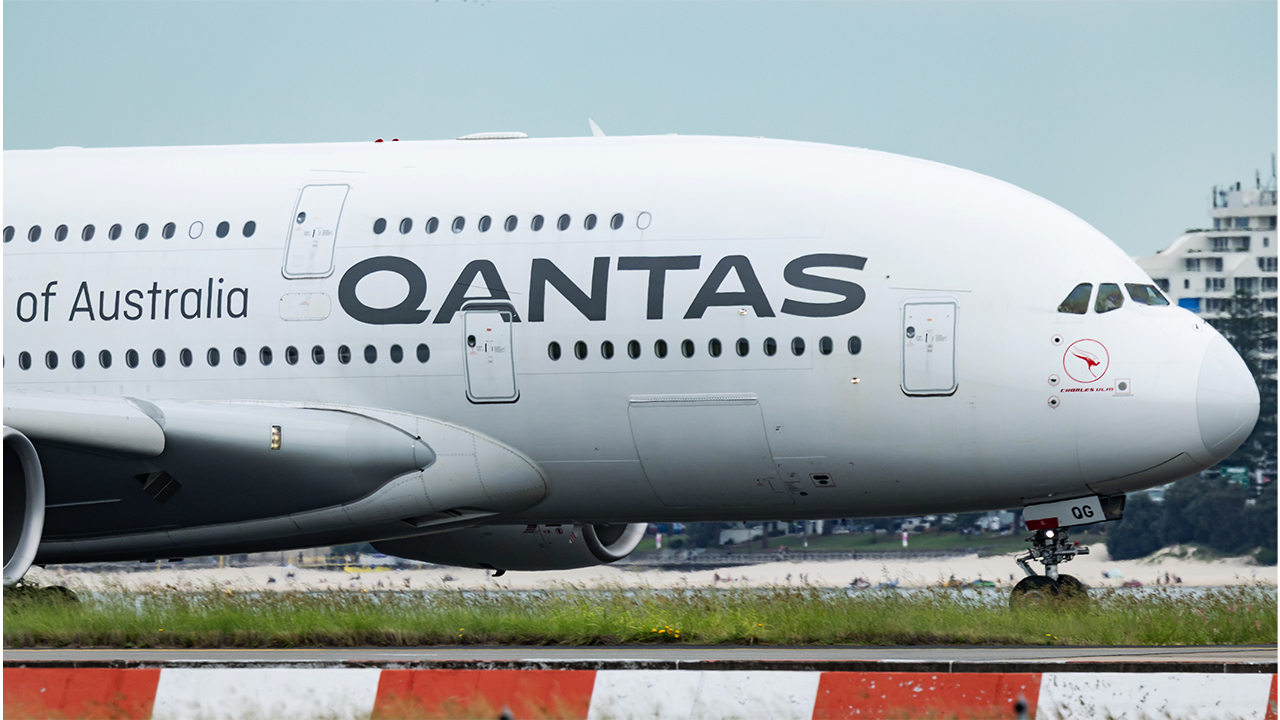
For over 300 years, Lloyd’s of London has underwritten maritime insurance for the tankers and cargo ships that carry the world’s oil, gas, and goods. Its dominance over the Strait of Hormuz — the narrow chokepoint through which approximately 30% of the world’s seaborne oil supply passes — represented one of the most quietly powerful financial monopolies in history. Control the insurance, and you control who can sail. Control who can sail, and you control the flow of energy that powers the global economy.
Then Iran’s attacks on Gulf shipping spiked maritime insurance rates by 400% overnight. Lloyd’s panicked. Coverage was pulled. The energy market consequences of the Iran conflict had just produced an entirely unexpected second-order effect — and into the vacuum stepped America.
The 48-Hour Shift
Within 48 hours of Lloyd’s withdrawal, two things happened simultaneously. The US Navy, operating through US Naval Forces Central Command, expanded its escort operations across the Gulf — effectively offering the physical protection that insurance underwrites. And American insurers began moving to replace Lloyd’s coverage entirely, stepping into a market that British financial infrastructure had monopolised since the reign of William III.
The Crown’s 300-year chokehold on global energy insurance was severed — not by war, not by sanctions, but by filling a vacuum created by an institution that blinked at the wrong moment.
The geopolitical message was unmistakable. America now controls both the physical escort corridor through the world’s most critical oil shipping lane and the financial infrastructure that makes commercial shipping through it possible. The strategic and economic stakes of the Middle East conflict have just acquired an entirely new dimension that most market analysts are not yet fully pricing.
The Oldest Playbook in the World
This is not a new strategy. It is the oldest playbook in geopolitics, applied with modern speed and precision. Britain understood it for three centuries — control the supply chain, control the insurance, control the financial flows, and you hold invisible leverage over every nation that depends on what moves through that supply chain. The British Empire was built as much on Lloyd’s and the City of London as it was on the Royal Navy. The two worked in concert, and together they made Britain the indispensable nation for global trade.
Trump has applied the same logic in 48 hours. The shifting dynamics of US global power in the Middle East have taken on a new and concrete dimension — one that will outlast the current conflict regardless of how it resolves. Once American insurers establish relationships with Gulf shipping operators and American naval escorts become the operational standard for Hormuz passage, those relationships do not simply dissolve when the shooting stops.
According to the International Maritime Organization, approximately 21 million barrels of oil pass through the Strait of Hormuz daily in normal conditions. The entity that insures and escorts that cargo does not merely collect a premium — it holds a structural position in the global energy economy that translates directly into diplomatic leverage, intelligence access, and economic influence across every nation that imports Gulf energy. That is now America.
What This Means for Britain — and Europe
For the UK, the implications are uncomfortable. Lloyd’s withdrawal was not an act of strategic calculation — it was a risk management decision made under acute commercial pressure. But the consequence is a permanent reduction in British financial infrastructure’s role in the most strategically important shipping corridor on earth. The long-term consequences for European financial influence in global energy markets are significant and largely unexamined in the current coverage of the conflict.
Europe, which imports a substantial proportion of its energy through Gulf routes, now finds itself doubly dependent on American goodwill — for both the physical security of those routes and the financial infrastructure that makes commercial shipping through them viable. That dependency has always existed in military terms. It now exists in financial terms too.
The 300-year empire died in 48 hours. And the nation that replaced it did not fire a single additional shot to do it.
FAQ
Q: Why did Lloyd’s of London pull maritime insurance from Gulf shipping? Iran’s attacks on Gulf shipping caused maritime insurance rates to spike by 400% in a very short period, creating commercially unacceptable risk exposure for Lloyd’s underwriters. The withdrawal was a risk management decision rather than a strategic one — but its geopolitical consequences have been profound, opening a vacuum that American insurers and the US Navy moved to fill within 48 hours.
Q: What does America’s takeover of Gulf maritime insurance mean for global oil markets? America now controls both the physical escort corridor through the Strait of Hormuz and the financial infrastructure — insurance — that makes commercial oil shipping through it viable. This gives the United States structural leverage over the global energy supply chain that extends well beyond the current conflict. Nations that depend on Gulf energy imports are now operationally dependent on American financial and military infrastructure in a way that has no modern precedent.
The post How America Replaced Lloyd’s of London in 48 Hours — and Took Control of the World’s Most Critical Oil appeared first on European Business & Finance Magazine.