
























Hedge Funds Piled Into Emerging Markets at Five-Year Highs. Then Iran Happened

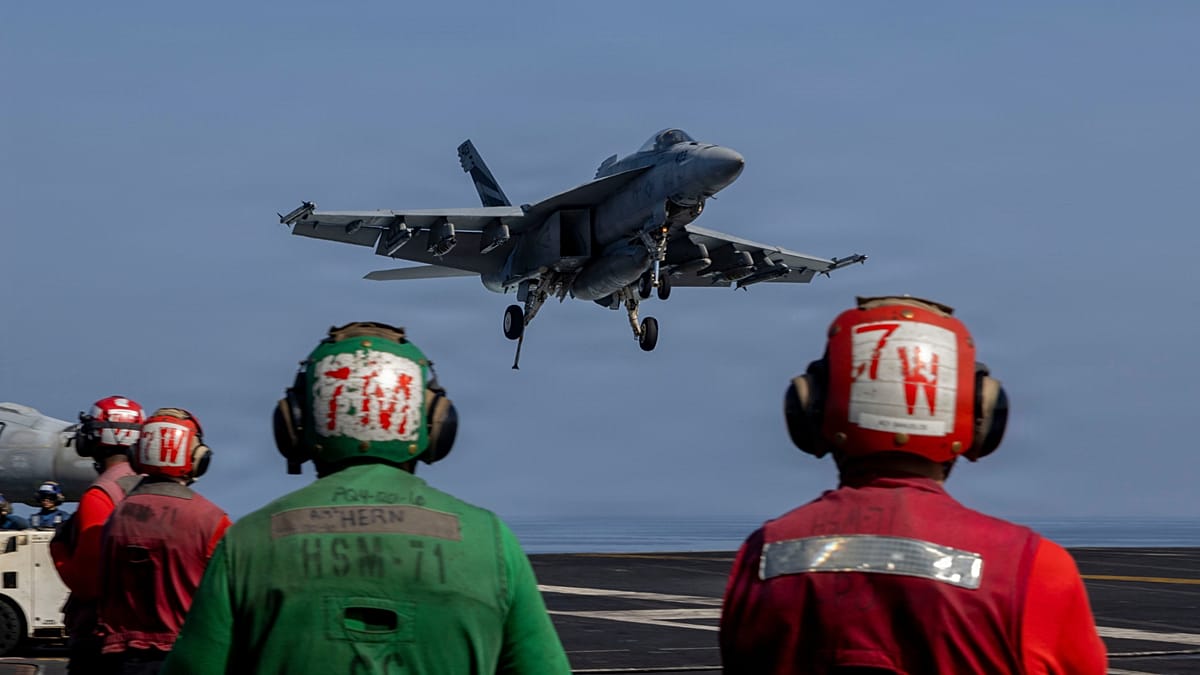
London — The emerging market rally that defined the first quarter of 2026 is unravelling at speed as hedge funds scramble to reassess positions following the US and Israeli military strikes on Iran, triggering a sharp selloff in developing-world equities and currencies.
MSCI’s benchmark emerging market equities index dropped nearly 2 per cent on Monday, with Turkey, India, Hong Kong and Taiwan all falling sharply. JPMorgan’s EM currency index declined 0.7 per cent as investors rotated into haven assets, strengthening the dollar and reversing one of the key tailwinds that had powered emerging market gains this year.
The timing is brutal. As recently as Friday, EM equities were up 14 per cent year-to-date — a rally built on a weakening dollar, which reduced developing countries’ foreign-denominated debt burdens and import costs, and low oil prices that benefited energy-dependent economies. The Iran escalation now threatens to dismantle both pillars simultaneously.
A crowded trade comes unstuck
What makes this selloff particularly dangerous is the scale of positioning behind it. According to Goldman Sachs’ latest prime brokerage data, hedge fund allocations to emerging market stocks as a share of total exposure were sitting near five-year highs heading into last week. That level of concentration leaves the trade acutely vulnerable to a disorderly unwind.
Senior figures in the macro hedge fund community have warned that the leverage built up across EM equities and fixed income now represents a systemic risk. What had been a comfortable one-directional bet — long EM on dollar weakness and cheap energy — has become a liability overnight. Any sustained reversal could force widespread deleveraging with knock-on effects across the broader hedge fund industry.
Energy shock amplifies the pain
The conflict’s impact on energy markets is compounding the pressure. Brent crude jumped roughly 6 per cent on Monday, while Asian and European gas prices surged in tandem. For import-dependent emerging economies — from India to Turkey to much of Southeast Asia — higher energy costs simultaneously raise inflation risk, widen current account deficits and tighten monetary policy space.
India’s Nifty 50 fell 1.2 per cent, Hong Kong’s Hang Seng dropped 2.1 per cent, Taiwan’s Taiex lost 0.9 per cent and Turkey’s Bist 100 shed 2.7 per cent. The breadth of the selloff suggests this is not a localised correction but a wholesale repricing of geopolitical risk across developing markets.
The dollar problem returns
Perhaps the most consequential shift is the resurgent dollar. The greenback’s decline had been the single most important driver of EM outperformance this year, easing debt servicing costs and improving terms of trade for commodity-importing nations. A sustained dollar rally — fuelled by safe-haven demand and potential energy-driven inflation in the US — would reverse that dynamic and place significant stress on the most dollar-exposed economies.
For fund managers who spent the first quarter adding to EM positions, the calculus has changed overnight. The question is no longer whether the trade can resume, but how much pain the unwind will inflict before stability returns.
FAQs
Why are emerging markets falling after the Iran strikes? The military escalation reversed two key tailwinds behind the EM rally: a weakening dollar and low oil prices. As investors sought safe-haven assets, the dollar strengthened while energy costs surged, hitting import-dependent developing economies hardest.
How exposed are hedge funds to this selloff? Significantly. Goldman Sachs data showed hedge fund allocations to EM stocks were near five-year highs before the selloff began, meaning a large volume of leveraged capital is now at risk of forced unwinding.
Which emerging markets have been hit hardest? Turkey’s Bist 100 fell 2.7 per cent, Hong Kong’s Hang Seng dropped 2.1 per cent, India’s Nifty 50 lost 1.2 per cent and Taiwan’s Taiex declined 0.9 per cent, reflecting broad-based selling across Asia and the Middle East.
The post Hedge Funds Piled Into Emerging Markets at Five-Year Highs. Then Iran Happened appeared first on European Business & Finance Magazine.