

























Germany Turns to Israel for Its AI and Cyber Blueprint
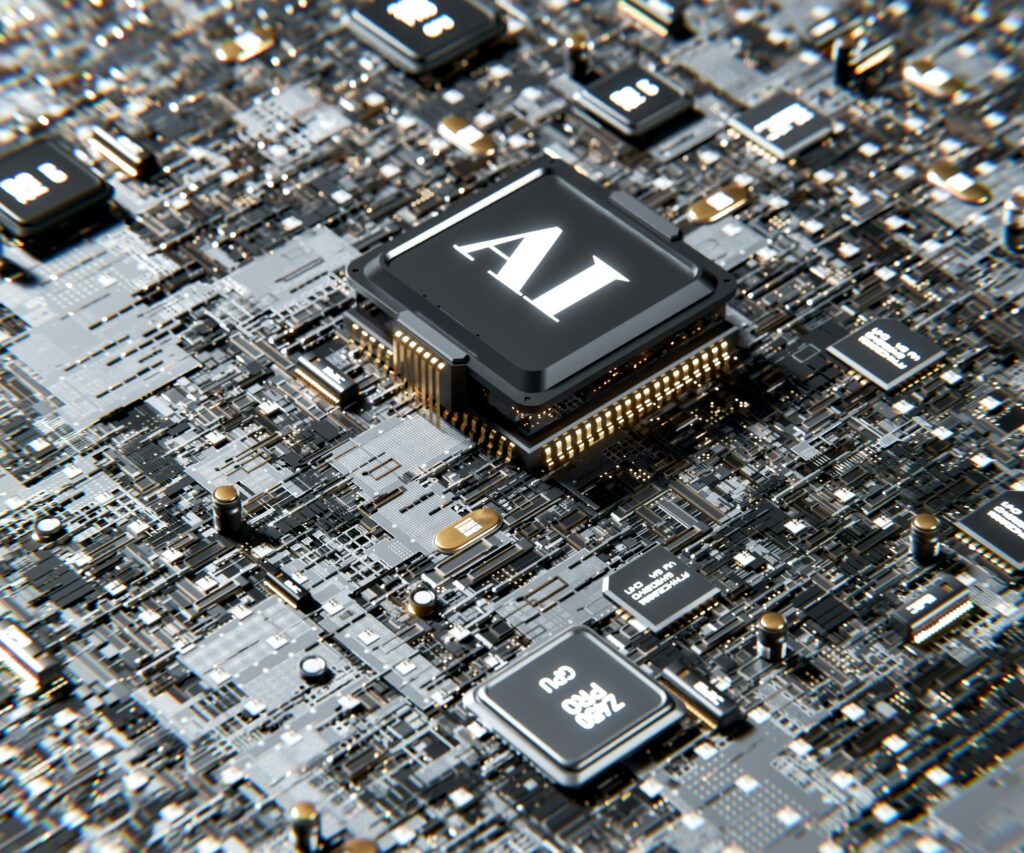
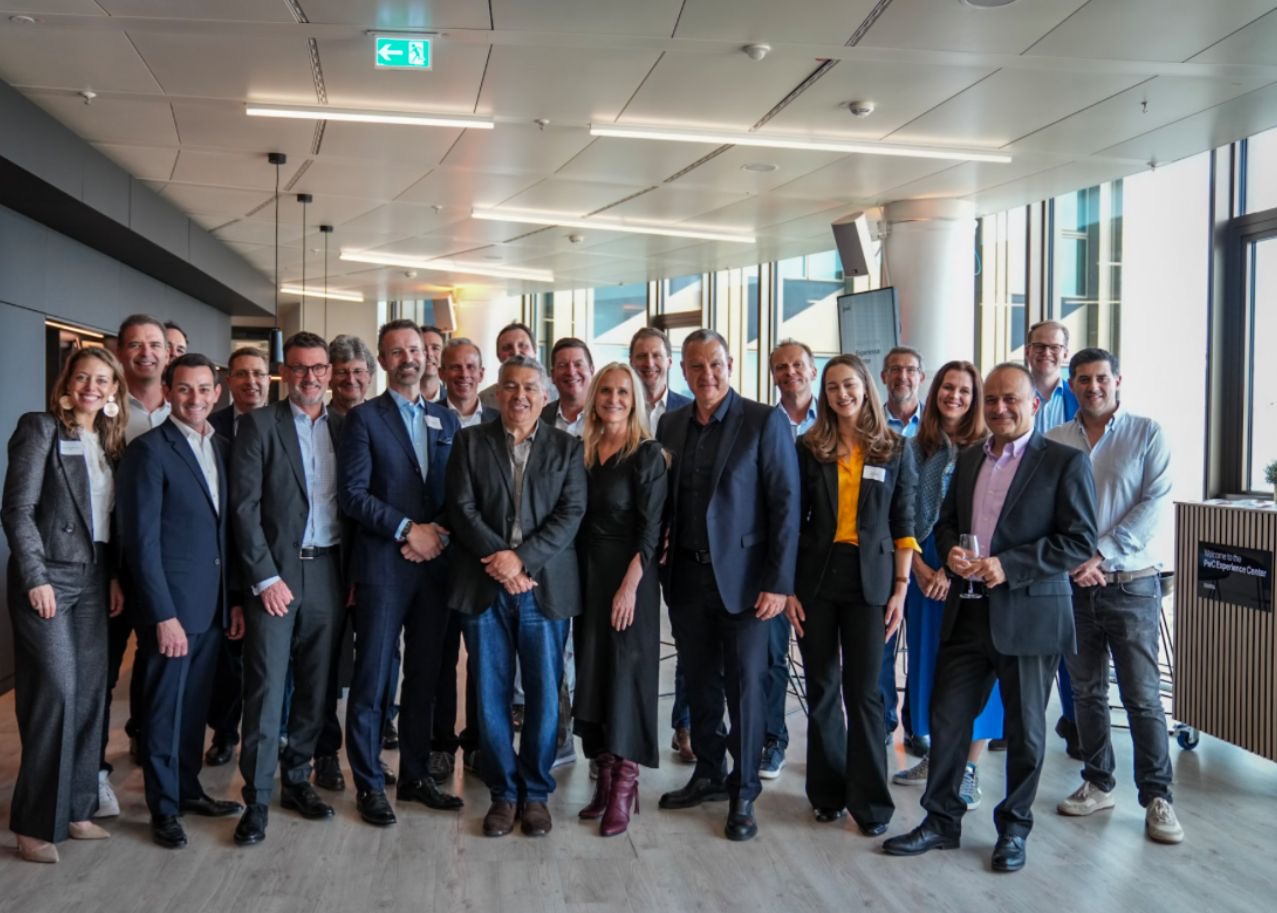 Germany’s financial and regulatory leadership is moving to accelerate the adoption of artificial intelligence and cybersecurity technologies, hosting a high-level Israeli delegation last week led by Jerusalem Venture` Partners (JVP), in what participants described as a shift toward a more structured, system-level approach to innovation.
The multi-day program, spanning Munich and Frankfurt, brought together senior executives from Germany’s largest banks, regulators, and government alongside founders of Israeli scale-ups already deployed in major financial systems globally. The delegation included companies such as Earnix, ControlUp and ThetaRay, alongside Appdome, Morphisec, Centrical, Akeyless and Coro, working across cybersecurity, fintech and vertical AI.
The initiative signals a growing push within Europe to move faster on integrating advanced technologies into core industries, particularly in finance, insurance, and industrial infrastructure.At the center of the visit was a flagship convening in Frankfurt, where institutions including Deutsche Bank, Commerzbank and the European Central Bank engaged directly with Israeli companies working in financial crime prevention, cybersecurity, and AI-driven enterprise systems.
“Frankfurt is not just a financial center,” said Cornelius Riese, CEO of DZ Bank. “What makes it special is the combination of finance, the real economy, and digital infrastructure. In the 21st century, especially with AI, these three spheres are coming together, and that is what defines this ecosystem.”
The visit comes as Germany seeks to position itself at the center of Europe’s response to global competition in AI and financial technology, combining its industrial base with regulatory and financial leadership.
“Frankfurt is the capital of capital and the biggest financial center in Europe,” said Benedikt Kuhn, State Secretary of Hesse. “What we offer here is a unique ecosystem, with global banks, regulators, investors, and government all in very close proximity to one another.”
For JVP founder and executive chairman Erel Margalit, the visit reflects a deliberate effort to anchor Israeli innovation more deeply within Europe.
“We don’t come to a market with a single company, we come with an ecosystem,” Margalit said in an interview with EBM. “For over three decades, we’ve built companies to operate globally from day one.”
He argued that Israeli firms are particularly well positioned to support Europe’s next phase of transformation.
“Israeli companies are particularly strong in applying advanced technologies within complex and regulated industries, especially in areas such as cybersecurity, financial systems and data-driven decision making,” he said.
As Europe increases investment in AI and digital infrastructure, the challenge is no longer just building new systems, but modernizing existing ones.
“As Europe invests more heavily in AI, cybersecurity and financial infrastructure, the opportunity is not just to build new capabilities, but to accelerate the transformation of existing systems,” Margalit said. “Germany’s strength lies in its banking, insurance and industrial sectors, all of which are now adopting new strategies around AI, cyber defense and data sovereignty.”
But that opportunity comes with constraints.
“Entering Germany requires more than strong technology,” he said. “It requires a clear understanding of how large institutions operate and what they need over the long term. German banks, insurers and industrial players tend to move carefully and deliberately. That means companies need to demonstrate reliability, regulatory awareness and a commitment to long-term engagement, not just innovation.”
The companies in the delegation, many already operating at scale, are approaching Europe with that in mind.
“They understand that success in Germany comes from working closely with institutions, aligning with sector requirements and building trust over time. That is the approach we are taking in this visit,” Margalit said.
From an investment perspective, Europe remains a major market, though structural challenges persist. But fragmentation continues to slow progress.
“There is a growing recognition that Europe needs to move faster in adopting new technologies and scaling innovation. One of the key challenges is fragmentation across markets, which can slow down both investment and growth.”
If addressed, Margalit said, Europe could significantly strengthen its global position.
“If Europe succeeds in creating a more unified environment, and if it increases investment in transformation across sectors like finance, cybersecurity and AI, it can become significantly more competitive on a global level.”
For both sides, the focus is now on execution rather than intent.
“Successful collaboration is not about short-term pilots or isolated partnerships. It is about long-term integration into the core systems of major institutions,” Margalit added.
The post Germany Turns to Israel for Its AI and Cyber Blueprint appeared first on European Business Magazine.