

























FTSE 100 Drops as Rising Global Debt and Geopolitical Tensions Rattle Investors
It’s been a lacklustre start for the FTSE 100, but London’s blue‑chip index is still hanging near record levels. Investors are taking a breath ahead of crucial talks over Iran’s nuclear programme, analysing the global debt pile and assessing the latest raft of tech results.
Gold prices are hovering around four‑week highs amid renewed interest in safe havens. There’s been a government pile‑on into borrowing over the past year, with global debt climbing to a record $348 trillion at the end of 2025. It’s the fastest yearly build‑up since the pandemic, as nations have gone back into emergency mode to build up war chests to fund military expansion and fund big infrastructure projects. With global growth moderating, concerns are growing about the affordability of such high debt loads, and worries persist about whether central banks will be able to be as tough as needed on inflation ahead, amid the tricky balancing act of ensuring debt payments are sustainable. Precious metals are seen as useful hedges against inflation and as questions continue to be raised about US economic policy, putting pressure on the dollar, it’s making gold more attractive.
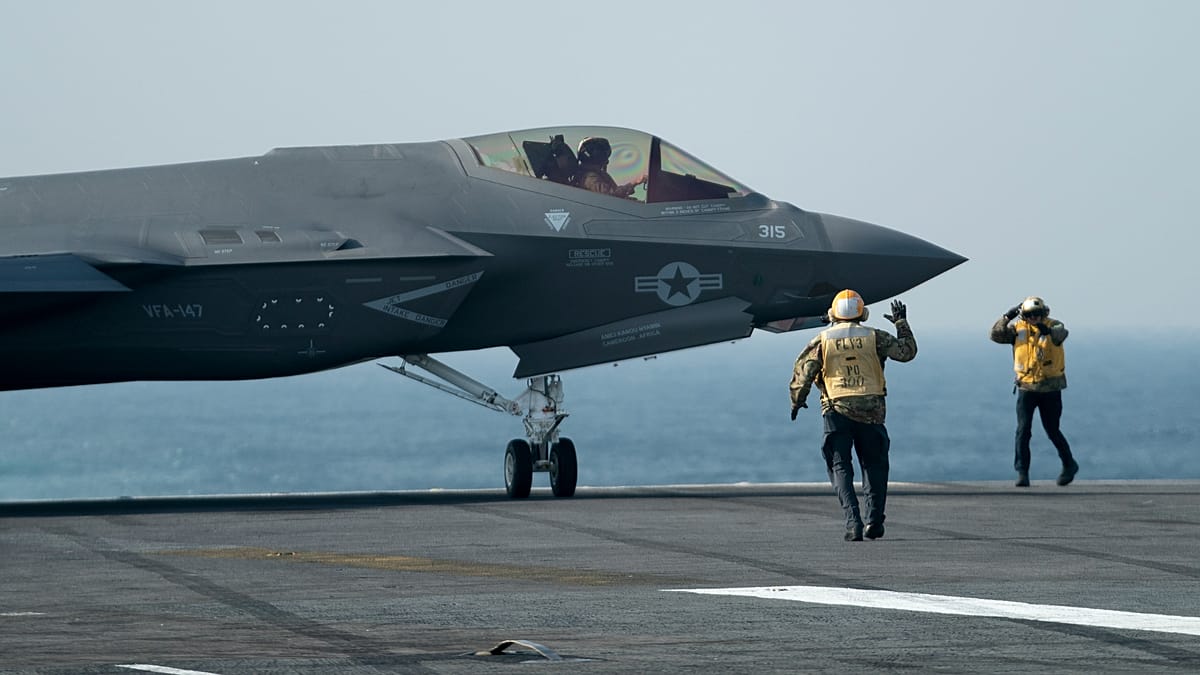
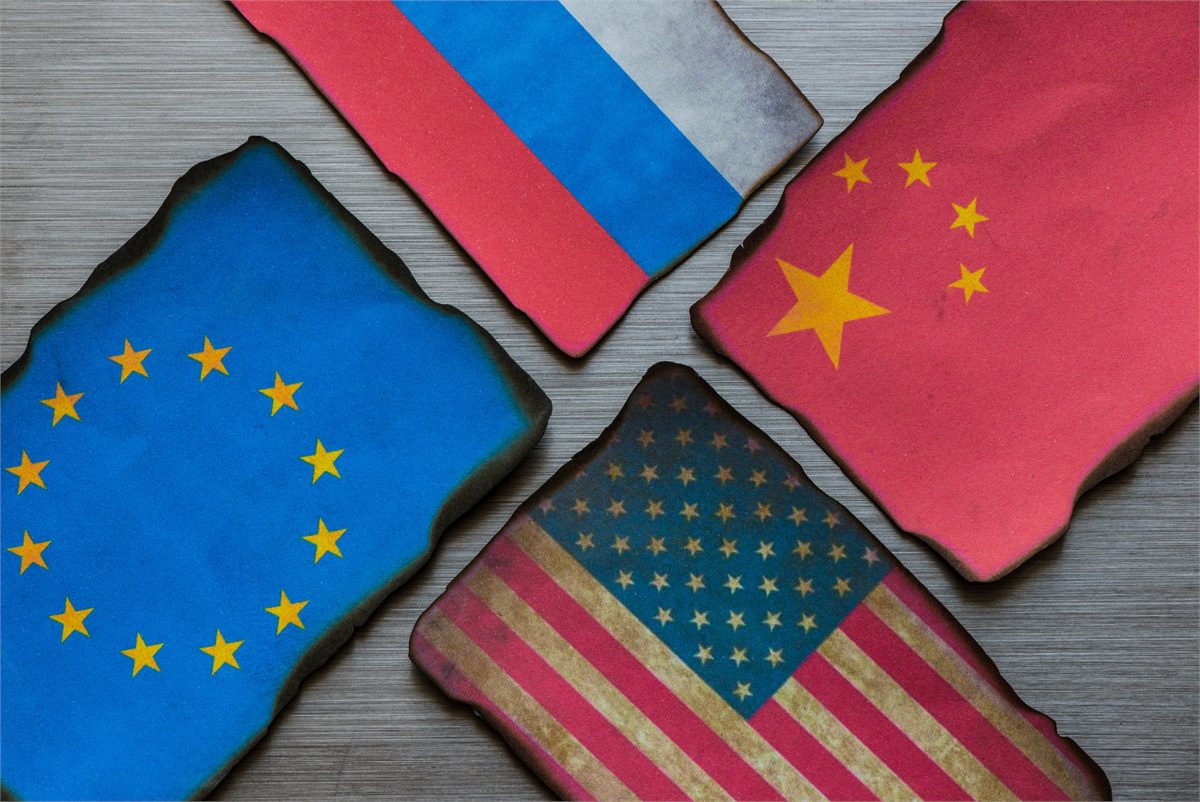
Heightened geopolitical risks are also being assessed, keeping upward pressure on metals prices. The US and Iran are resuming talks, amid warnings from the Trump administration that military strikes will follow if an agreement is not reached on limiting Iran’s nuclear capabilities. Despite concerns that crude shipments could be disrupted in the Middle East, a lid is being kept on oil prices, as worries about conflict collide with expectations of oversupply in the world market. Industry data shows oil stocks in the US increased at a weekly rate not seen for three years, while Saudi Arabia has upped its exports to the highest level in nearly three years. As we explored in our 2026 outlook for defence, energy and the new power economy, the interplay between geopolitical risk and commodity prices is becoming a defining feature of European markets.
The AI juggernaut is powering on, with Nvidia’s results demonstrating how the world is still entranced by the potential power of the technology, and willing to invest huge sums in trying to stay ahead of the game. However, the muted reaction to its stellar results demonstrates how investors have come to expect an awful lot from the chip giant. Management had primed the market to expect another stash of bumper results, but even though they exceeded expectations, the stock lifted just 0.2% in after‑hours trading. This sets a high bar for other tech giants to follow and lays the groundwork for fresh cracks to appear in confidence. Nvidia is so far the big winner in this AI race, but there remain big concerns that the laggards will not manage to see returns landing at the same pace as the huge capex sums being poured into the technology. As we reported in our analysis of how Anthropic walked into $5 trillion of market cap, the AI investment cycle is now directly reshaping valuations across the financial services and software sectors.
Results from Salesforce highlight another worry. Even when investments in agentic AI are shown to be reaping rewards, there is concern the artificial intelligence efficiencies risk eating away at growth in other parts of the business. Although revenues grew by 13%, a chunk of that was due to the acquisition of Informatica, while there was continued weakness in marketing and commerce and from its analytics platform Tableau. The outlook also disappointed, with investors again raising questions about whether SaaS companies will ultimately lose out in the age of AI disruption. As we examined in our coverage of why investors are pouring record sums into European stocks, the rotation out of US tech and into European equities is accelerating — and results like these explain why.
The post FTSE 100 Drops as Rising Global Debt and Geopolitical Tensions Rattle Investors appeared first on European Business & Finance Magazine.