

























From a Garage in California to $3 Trillion: Apple at 50 Is Unlike Anything the Business World Has Ever Seen
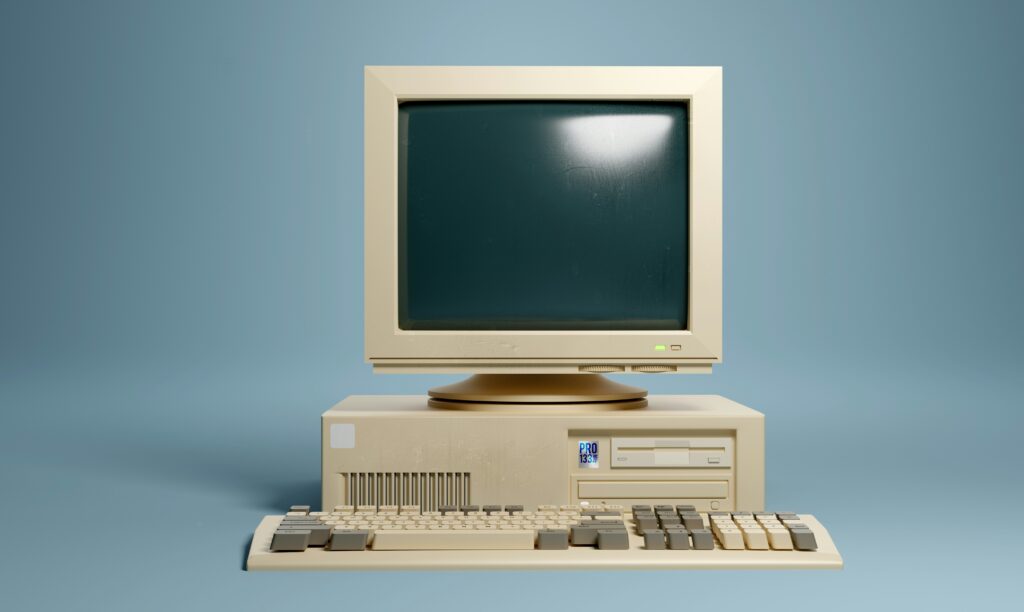
 Today, April 1, 2026, Apple Inc turns 50 years old. Not many companies get to mark half a century in business. Fewer still get to do so as the most valuable corporation on earth. What began in a suburban California garage with three men, a soldering iron, and a radical idea has become something that no business school case study can fully capture — a company that didn’t just build products, but repeatedly rewrote the rules of entire industries.
Fifty years ago in a small garage, a big idea was born. Apple was founded on the simple notion that technology should be personal — and that belief, radical at the time, changed everything. OS X Daily
The Beginning
Apple was founded on April 1, 1976. MacRumors Steve Jobs, Steve Wozniak, and Ronald Wayne signed the founding papers with a combined stake that Wayne famously sold back for $800 — a decision that would go down as one of the most costly in corporate history. Wozniak was the engineering genius; Jobs was the visionary salesman who understood, before almost anyone else, that computers didn’t have to be intimidating machines for academics and engineers. They could be personal. They could be beautiful. They could be for everyone.
The Apple I — a bare circuit board sold as a kit — was followed by the Apple II in 1977, a machine that genuinely put computing into homes and schools. Then came the Macintosh in 1984, unveiled in one of the most celebrated advertising moments of the twentieth century. The Mac introduced the graphical user interface to the mainstream and pointed toward a future in which humans controlled machines through intuition rather than code.
The Near-Death and the Resurrection
What followed was a decade of drift. Jobs was ousted from his own company in 1985. The mid-1990s were challenging for Apple, marked by leadership struggles and a scattered product line. QuantoSei News The company came within weeks of bankruptcy. Then, in 1997, Jobs returned — and everything changed.
Steve Jobs’s return ignited a dramatic turnaround, ushering in a period of unprecedented innovation and design focus. The iMac G3, launched in 1998, was a game-changer — its translucent casing shattered the prevailing beige-box aesthetic, injecting personality into personal computing and establishing the now-famous “i” branding. QuantoSei News
What followed was the most sustained run of product innovation in modern business history. The iPod in 2001 didn’t just sell music players — it restructured the entire recorded music industry. iTunes effectively killed the album as the default unit of commerce. Then, in January 2007, Jobs walked onto a stage in San Francisco and announced a product that would change the world more profoundly than almost anything since the printing press.
The iPhone Changes Everything
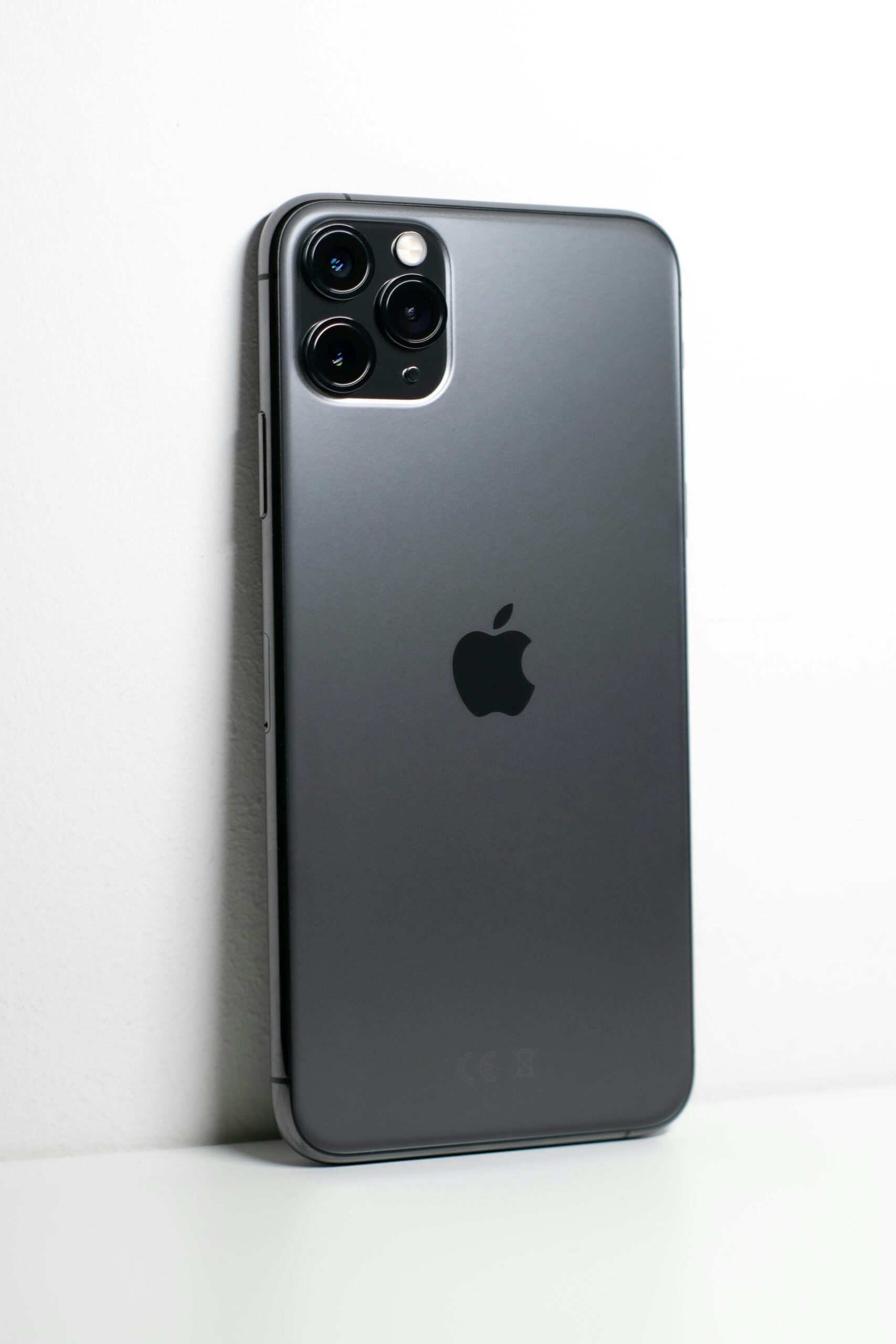 The iPhone was not the first smartphone. But it was the first one that worked the way humans actually think. Its combination of touchscreen simplicity, internet connectivity, and third-party apps created an entirely new category of device — and an entirely new economy. The App Store, launched in 2008, became the foundation of a multi-trillion-dollar ecosystem in which millions of developers built businesses on Apple’s platform.
Apple went from flirting with bankruptcy in the late 1990s to becoming the world’s most valuable public company in the early 2010s. MacRumors The iPhone remains its single biggest revenue driver to this day. In its most recent quarterly results, Apple reported an all-time revenue record, driven by all-time high iPhone sales — the company is still peaking financially. MacRumors
For context: Apple’s annual revenue now exceeds $400 billion. Its market capitalisation has touched $3 trillion, making it worth more than the entire GDP of the United Kingdom. A single share purchased at the IPO in 1980 at $22 would today be worth in excess of $50,000 after stock splits.
Products That Defined Generations
From groundbreaking products like the Apple II and Macintosh, to iPod, iPhone, iPad, Apple Watch, and Apple Vision Pro, and services including the App Store, Apple Music, Apple Pay, iCloud, and Apple TV, Apple has consistently combined powerful technology with intuitive design to empower individuals. Apple
The global technology sector’s evolution has in many ways been a story written around Apple’s product launches. The iPad created the tablet market. The Apple Watch became the world’s best-selling timepiece. AirPods generated more revenue annually than many Fortune 500 companies. Each product followed the same template: enter a category late, do it better than everyone else, and redefine what consumers expect.
Apple at 50: What Now
 Apple Intelligence, a suite of AI features integrated across iOS 26, iPadOS 26, and macOS Tahoe 26, became available in late 2025, with capabilities including Live Translation, Visual Intelligence, and personalised fitness insights — built with an extraordinary commitment to privacy. QuantoSei News As artificial intelligence reshapes the global economy, Apple’s privacy-first AI strategy may prove to be its shrewdest positioning yet — differentiating it sharply from rivals whose business models depend on data extraction.
The global smartphone market faces saturation, and Apple’s next frontier is clear: services. Software subscriptions, financial products, health data platforms, and spatial computing through the Vision Pro represent a company preparing for a post-hardware world — one where the device is merely the entry point to a far more valuable ongoing relationship.
“Thinking different has always been at the heart of Apple,” said CEO Tim Cook as the anniversary began. “It’s what has driven us to create products that empower people to express themselves, to connect, and to create something wonderful.” MacRumors
Fifty years in, the numbers are staggering, the legacy is undeniable, and the ambition remains intact. As European businesses grapple with digital transformation, the Apple story remains the most compelling template in existence for what happens when design, technology, and genuine consumer empathy are held in equal regard. Happy birthday, Apple. The world looks nothing like it did when you arrived — and that is almost entirely your doing.
The post From a Garage in California to $3 Trillion: Apple at 50 Is Unlike Anything the Business World Has Ever Seen appeared first on European Business & Finance Magazine.