



























Farmers cannot be competitive without equal standards in trade with third countries, said the Bulgarian caretaker Minister of Agriculture
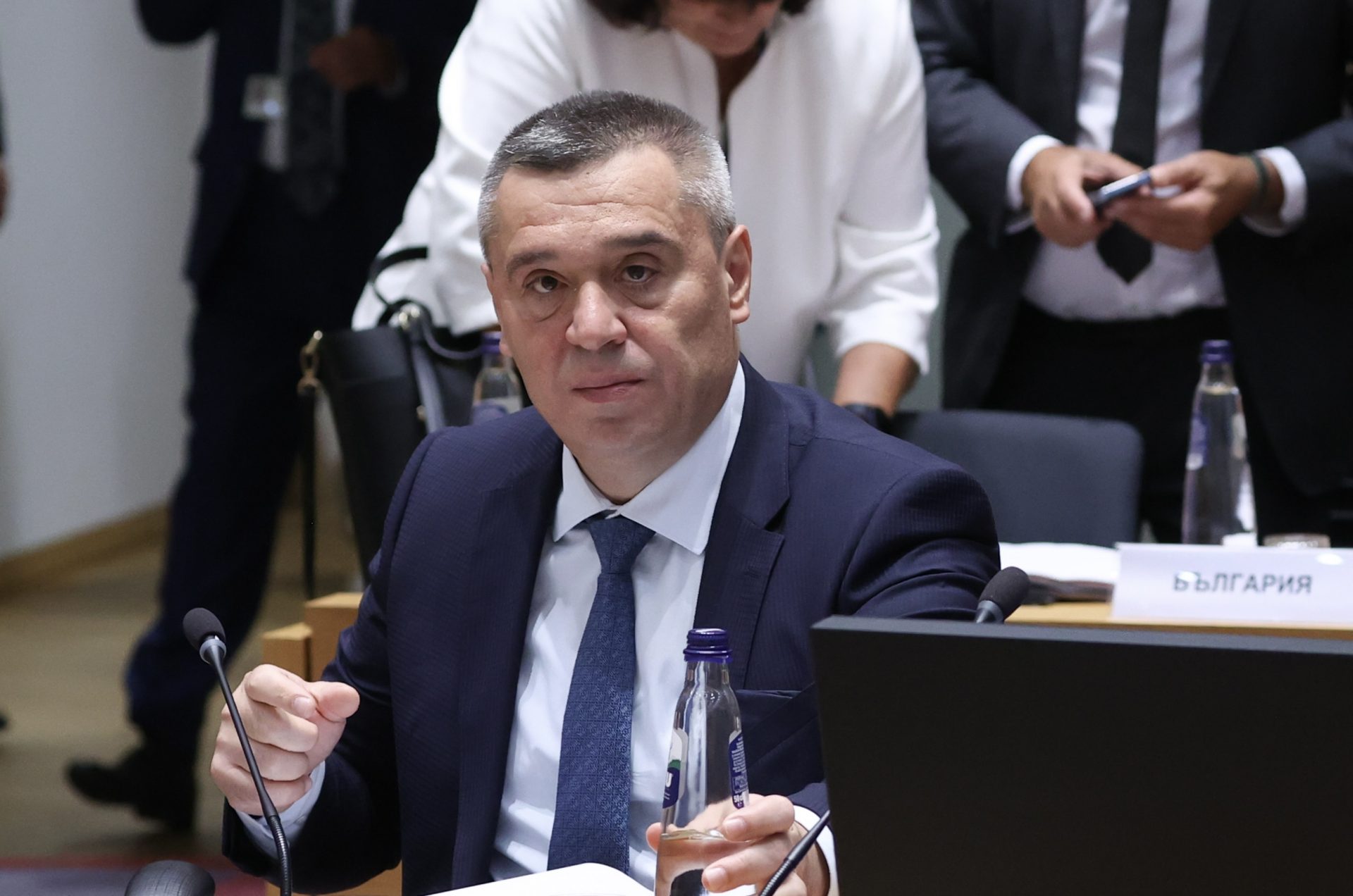
SOFIA/BRUSSELS – Farmers cannot be competitive without fair incomes and equal standards in trade with third countries. This was said by the caretaker Minister of Agriculture and Food Georgi Tahov during a high-level political working meeting of the EU agriculture ministers in Brussels, the line ministry reported.
Tahov emphasized that the loss of competitiveness of European farmers is not due to their actions, but is because of a combination of rising costs, regulatory pressure and inequality compared to imports. The costs of energy, fertilizers, feed, labor and services continue to increase, while market returns remain uncertain. This directly threatens the economic sustainability of farms, especially in countries like Bulgaria, where incomes are below the EU average, added Tahov. He said that the introduction of degressivity within the Common Agricultural Policy (CAP) should not undermine the competitiveness of farmers and discriminate against their contribution to food security.
Georgi Tahov said that the difficult supply and increased prices of production resources further worsen the liquidity of farms and contribute to rising consumer prices. He also pointed to a new serious challenge for the sector, namely the introduction of the Carbon Border Adjustment Mechanism (CBAM). Tahov also said that in the period 2026–2034 the payment of carbon allowances for the production and import of ammonia and fertilizers or the levies on their import will lead to increasingly higher prices of key products. According to him, this means that every ton of fertilizer produced or imported into the EU will be burdened with an additional value equal to the price of its carbon footprint.
At the meeting Tahov emphasized that the CAP budget should guarantee at least the current levels of support while achieving full external convergence of direct payments. “Bulgaria consistently insists that the CAP remain a strong and autonomous policy, structured in two pillars, with rules laid down in a single regulation. It is also necessary to preserve the N+3 rule, since the N+1 rule is inapplicable for investments with a multiannual horizon,” Tahov was adamant.
He noted that a significant part of the administrative burden for farmers stems from the accumulation of requirements outside the CAP framework. In this context Georgi Tahov called on the European Commission to take systematic and measurable actions to reduce the administrative burden, including through an assessment of the cumulative effect of legislation, better coordination between sectoral policies, realistic deadlines and greater flexibility in implementation.
Regarding trade relations, the Bulgarian caretaker agriculture minister stressed that the EU cannot demand higher standards from its farmers while allowing imports of products that do not comply with them. Tahov called for better alignment of production standards, enhanced sanitary and phytosanitary control on imports, as well as effective safeguard mechanisms within trade agreements. (8 January)