


























Eurozone Inflation Unexpectedly Jumps to 1.9% in February — Why the Worst May Be Ahead

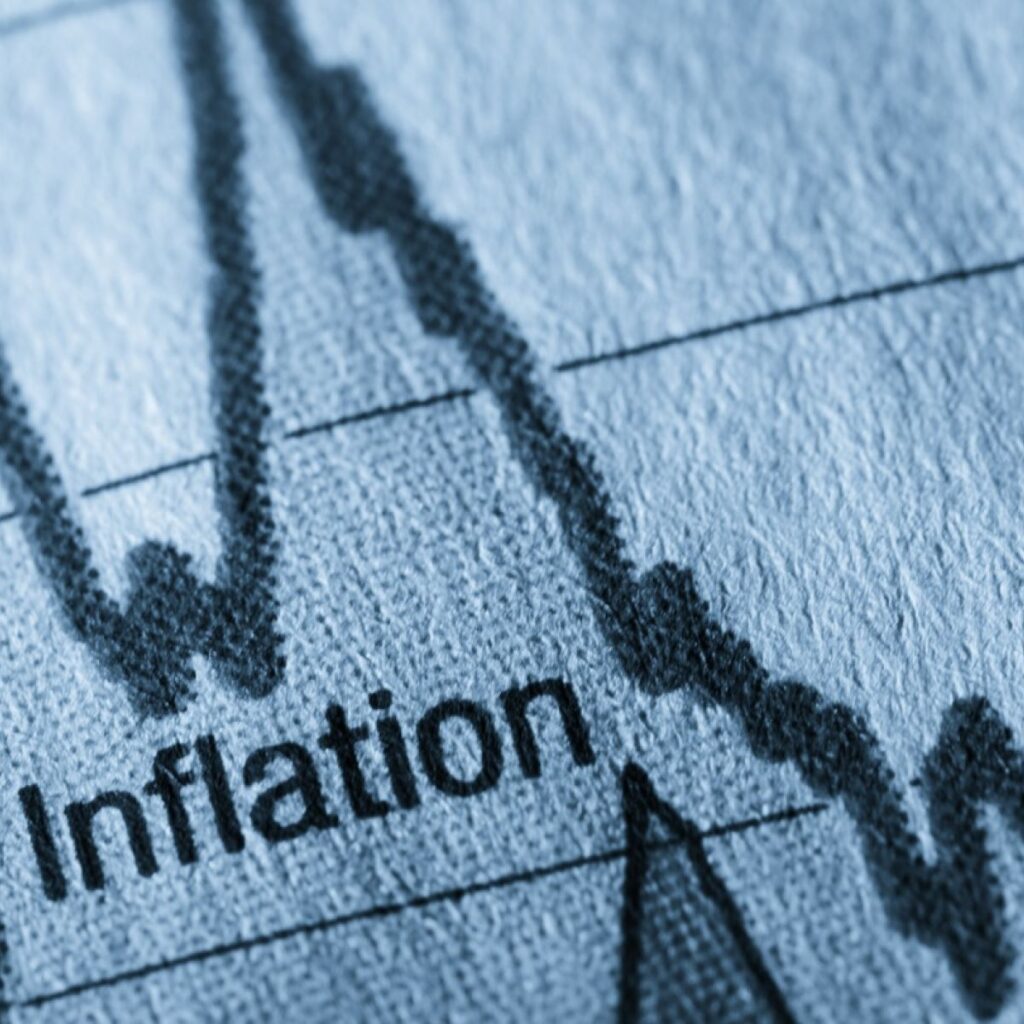
Eurozone consumer prices rose 1.9% year-on-year in February, up from 1.7% in January, according to Eurostat flash data released on Tuesday. Economists had expected the rate to hold steady. Monthly inflation climbed 0.7% — the sharpest increase since March 2024. Core inflation, stripping out energy and food, accelerated to 2.4% from 2.2%, also above consensus.
The headline figure sits just below the European Central Bank 2% target. Under normal circumstances, that would be a manageable overshoot — a rounding error in the disinflation narrative the ECB has been running since late 2024. But these are not normal circumstances.
The data was collected before the bombs fell
Crucially, February inflation readings were gathered before US and Israeli strikes on Iran sent energy markets into convulsions. Brent crude has surged roughly 15% over the past five sessions. If the Strait of Hormuz — through which 20-30% of global oil traffic passes — faces sustained disruption, the pass-through into European transport, food, and industrial costs will be swift and material. ECB Chief Economist Philip Lane warned on Tuesday that a prolonged conflict could produce a substantial spike in energy-driven inflation and a sharp decline in output — language drawn directly from the ECB own sensitivity analyses (see our earlier coverage of the ECB rate path and what it means for European equities).
The composition of February print reinforces the concern. Services inflation — the stickiest component and the one the ECB watches most closely for second-round effects — rose to 3.4% from 3.2%. Energy had been doing the heavy lifting in pulling headline inflation lower throughout late 2025 and into January. That tailwind is now reversing. Non-energy industrial goods inflation also ticked up to 0.7% from 0.4%, suggesting price pressures are broadening beyond services (our analysis of European supply chain pressures explains why).
What it means for the ECB
The ECB held rates at 2% for the fifth consecutive meeting in February, with President Lagarde reaffirming a data-dependent approach. Deutsche Bank base case has the next move as a hike in mid-2027. Markets had been pricing no change for the remainder of 2026 — and this print, combined with the Iran shock, reinforces that view on the hawkish side.
ECB Governing Council member Yannis Stournaras called the conflict another serious supply-side shock for the bloc, following Russia invasion of Ukraine and the US tariff escalation in 2025. He urged flexibility but acknowledged the inflationary risk if the war persists (for context, here is how the 2022 energy crisis reshaped ECB policy).
European equities sold off hard on Tuesday. The Euro Stoxx 50 dropped 3.3%, the DAX slid more than 3% to its lowest since December 2025, and Italy FTSE MIB fell over 4%. The euro weakened 0.85% against the dollar to around $1.17, reflecting Europe disproportionate exposure to energy imports relative to the US, which remains a net energy exporter (see our breakdown of how the euro responds to oil shocks).
The bigger picture
February print matters less for what it says about the past than for what it signals about the future. Inflation was already reaccelerating before the geopolitical shock arrived. If oil stays elevated and gas markets tighten through the spring, headline inflation will breach 2% and keep climbing — precisely the scenario the ECB had been banking on avoiding. The central bank next meeting on March 19 will produce fresh staff projections. Expect significant upward revisions to the near-term inflation path and downward revisions to growth (our guide to reading ECB projections is here).
The disinflation trade in Europe is over. The question now is how far the pendulum swings back.
FAQ
Why did Eurozone inflation rise unexpectedly in February 2026?
Eurozone inflation climbed to 1.9% in February from 1.7% in January, driven primarily by a pickup in services inflation — which hit 3.4% — and a smaller drag from falling energy prices. Non-energy industrial goods also contributed. The reading surprised economists who had expected the rate to hold flat, and was recorded before the US-Iran conflict began pushing oil and gas prices significantly higher.
Will the ECB raise interest rates in response to rising inflation?
Not immediately. The ECB has held its deposit rate at 2% since mid-2025 and markets expect no change through 2026. However, the combination of sticky core inflation and a potential energy shock from the Iran conflict has shifted risks to the hawkish side. ECB officials have stressed flexibility and data dependence, and the March 19 meeting — which will include updated economic projections — will be the first real test of whether the central bank stance needs to adjust.
The post Eurozone Inflation Unexpectedly Jumps to 1.9% in February — Why the Worst May Be Ahead appeared first on European Business & Finance Magazine.