
























Europe’s Quiet Revolution: The Unsung Innovations Driving the Global Circular Economy
While the headlines remain dominated by Silicon Valley’s AI arms race and the Asian battery boom, a different kind of revolution is taking place across Europe. It is quieter, more industrial and arguably more critical for the long-term survival of global commerce.
For the past decade, the narrative regarding global innovation has often sidelined Europe. Critics point to the lack of a “European Google” or the fragmented nature of the digital single market. However, this perspective fundamentally misunderstands where Europe’s true strength lies. Europe isn’t trying to build a better social media algorithm; it is building a better physical world.
From the industrial heartlands of Germany to the design studios of Scandinavia, European innovation is currently dominating the “Circular Economy”. The What? The trillion-dollar transition away from the “take-make-waste” model. As environmental regulations tighten and Scope 3 emissions reporting becomes mandatory, the world is turning to European engineering to solve the unglamorous, yet vital, problems of waste, water and energy efficiency.
These innovations may not grab the front pages of tech blogs, but they are the engines that will power the next century of sustainable business. Here are the top European innovations that deserve recognition for reshaping how we do business.
The Logistics of Waste: Scandinavian Compaction Technology
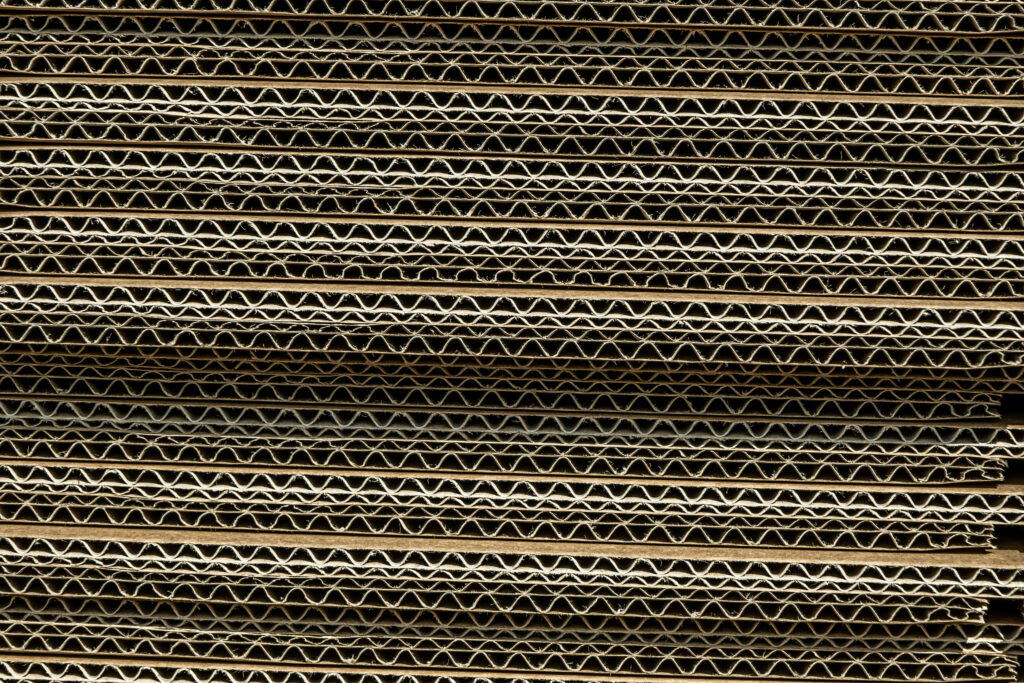
One of the most immediate challenges facing global business is the explosion of packaging waste. The e-commerce boom has flooded logistics centers, retail backrooms and factories with corrugated cardboard. In the US, the solution has often been “more dumpsters, more trucks.” In Europe, specifically in the Nordic countries, the solution is “smart compaction.”
Danish and Swedish engineering firms have revolutionized how businesses handle waste at the source. The philosophy is simple: never ship air. Loose cardboard boxes are 90% air, and transporting them to a recycling facility is an economic and environmental disaster.
This is where the modern vertical baler for cardboard comes into play. These aren’t the clunky, dangerous machines of the 1980s. Modern European balers are silent, IoT-connected devices that fit into the corner of a retail stockroom or a logistics bay. By compressing waste at the source into high-density, mill-sized bales, businesses can reduce their waste collection frequency by up to 80%.
This technology transforms waste from a cost center into a revenue stream. Recyclers pay a premium for segregated, baled cardboard, whereas they charge to collect loose material. By exporting this “source segregation” technology to the US and Asian markets, European manufacturers are helping global corporations drastically cut their carbon footprint while improving their bottom line. It is a prime example of European functional design: solving a complex logistical problem with elegant, durable hardware.
The Blue Revolution: Dutch Water Management
If Scandinavia is the king of waste, the Netherlands is the undisputed master of water. With a significant portion of their country sitting below sea level, the Dutch have turned survival into a highly exportable commodity.
Innovation in water technology is moving beyond simple flood defenses to advanced purification and “Blue Energy.” Dutch startups are currently piloting systems that can extract energy from the meeting point of salt water and fresh water (osmotic power), a limitless renewable resource that doesn’t rely on the wind blowing or the sun shining.
Furthermore, industrial water treatment innovations are allowing heavy industries to close their water loops, from textiles to brewing and everything in between. Instead of drawing fresh water and dumping wastewater, European systems allow factories to recycle 90-95% of their process water. As water scarcity becomes a Tier-1 risk for global supply chains, this European expertise is becoming as valuable as the Swiss banking sector once was.
Construction 2.0: The Rise of “Plyscrapers”
Construction is responsible for nearly 40% of global energy-related carbon emissions, largely due to concrete and steel. Europe is pioneering the antidote: Cross-Laminated Timber (CLT).
While timber construction is ancient, CLT is high-tech. Developed largely in Austria and Germany, it involves gluing layers of lumber at right angles to create panels that rival the strength of steel but weigh far less and sequester carbon rather than emitting it.
We are now seeing the rise of “Plyscrapers” (or wooden skyscrapers) across European cities. These buildings go up faster, are quieter to construct and are fire-resistant. This innovation is now crossing the Atlantic, but the intellectual property and the manufacturing machinery driving this green building boom remain firmly rooted in Central Europe.
The Battery Alternative: Finnish Thermal Storage
Renewable energy has an intermittency problem. The sun doesn’t always shine, and the wind doesn’t always blow. While the world fights over lithium for chemical batteries, Finnish engineers have developed a startlingly simple solution: sand.
The “Sand Battery” is a high-temperature thermal energy storage system that uses resistive heating to store renewable energy in sand at temperatures around 500°C. Sand is cheap, abundant and can hold heat for months. This allows district heating networks to run on solar power generated in the summer deep into the dark Nordic winter.
It is a classic European innovation: low-tech materials used in a high-tech application to solve a systemic infrastructure problem. It sidesteps the geopolitical issues of lithium mining and offers a scalable solution for industrial heat, which accounts for a massive chunk of global energy usage.
Engineering the Long Game
It is easy to look at the valuations of American tech giants and assume Europe has fallen behind. But looking at market cap alone misses the point. European innovation is focused on the foundational systems that allow civilization to function sustainably.
Whether it is a Danish baler cleaning up a warehouse in Ohio, a Dutch water system irrigating a farm in Kenya, or an Austrian timber tower rising in London, European technology is actively engineering the transition to a Circular Economy. These innovations might not run on our smartphones, but they are ensuring we have a world left to live in. For the savvy investor and the responsible business leader, it is time to look past the hype cycle and recognize the achievable, tangible, industrial value being generated across the Atlantic.
The post Europe’s Quiet Revolution: The Unsung Innovations Driving the Global Circular Economy appeared first on European Business & Finance Magazine.