




























Europe’s AI Moment: €25bn Gigafactories Won’t Be Enough Without Integration
Europe’s handicaps are familiar. It lacks either the concentrated capital of Silicon Valley or the state-directed coordination of Beijing. Electricity is expensive, data-centre deployment is sluggish, and regulation is often cumbersome and fragmented. Investment, talent and computing power are already drifting away.
Despite this bleak diagnosis, the continent has a major opportunity. Europe need not compete to build the largest frontier models. Its strengths lie in embedding AI into the real economy—and in deploying AI to address its two most pressing structural weaknesses: energy costs and regulatory drag.
Looking first at energy costs, we know this has become a critical input for AI. Training and inference demand vast, electricity consuming computing power. However, European power prices are roughly twice those in America and China. This deters investment in data centres and inflates the cost of innovation.
Paradoxically, AI itself is one of the best available tools for lowering those costs. Machine-learning systems can optimise electricity flows in real time, improve forecasts of renewable output, reduce grid congestion and cut waste. In data centres, they already deliver double-digit reductions in power use by fine-tuning cooling, hardware allocation and workload scheduling. Such gains lower marginal costs without abandoning Europe’s climate commitments.
Germany’s recent experience with the 2023 nuclear phase-out highlight the need forpragmatism. Chancellor Merz has described it as a “serious strategic mistake”, part of what he calls “the most expensive energy transition in the entire world”. Speaking earlier this month, he argued that shutting down zero-emission plants prematurely has driven up costs, exposed the country to geopolitical risks and created import dependence.
This reflects a broader realisation: while net-zero goals remain essential, inflexible timelines can undermine affordability and industrial resilience. Europe should accelerate AI-driven efficiencies—predictive grid balancing, dynamic workload shifting in data centres—to complement a secure, diverse energy mix, including nuclear. High energy costs need no longer be treated as inevitable.
Turning to regulation, the EU’s AI Act imposes rigorous standards for safety, transparency and governance in high-risk systems. The issue is not the rules themselves, but the cost, speed and uncertainty of compliance, which weigh heaviest on startups and smaller firms. By seeking to move first in terms of comprehensive AI regulation, the EU now risks creating a stronger bureaucratic barrier to innovation.
Compliance today is largely manual and expensive. Yet AI can again prove the solution. Regulators could deploy systems to automate risk classification, document validation and low-risk approvals. Firms could use standardised tools to produce audit trails and assessments at near-zero marginal cost. If executed well, Europe might become the quickest and least costly place to meet high standards—something neither America’s laissez-faire approach nor China’s state-centric model can match.
Europe’s future in AI lies in industrial, regulated and system-level applications, where trust, reliability and integration count more than scale. Domain-specific models already thrive in factories, power grids and buildings, where companies like Siemens and Schneider Electric deploy them globally.
Energy-efficient infrastructure offers another edge. Nordic countries benefit from hydropower and wind; Germany and the Netherlands integrate waste-heat reuse into district heating. AI optimises cooling and load balancing, creating a blueprint for low-carbon, high-efficiency computing power that the world increasingly demands.
Regulated sectors—finance, healthcare, public services—favour auditable models. Europe’s governance edge shines here. Most ambitiously, Europe could pioneer AI-enabled regulation itself, deploying tools within agencies to make compliance faster and cheaper than anywhere else.
As McKinsey and the European Commission note, the bulk of AI’s long-term value will come from embedding it in real-world systems. This aligns with Europe’s industrial strengths—if it acts swiftly. The urgency is acute. AI ecosystems are concentrating rapidly in America and China; once established, they are hard to dislodge.
Europe retains world-class research, deep industrial expertise and a large single market. But fragmentation, slow permitting and an excessive focus on risk over growth are already taking their toll. GDP growth is anaemic, private investment lags and capital flees. The question is no longer whether Europe can regulate AI safely—it can—but whether it can harness AI to revive productivity and growth.
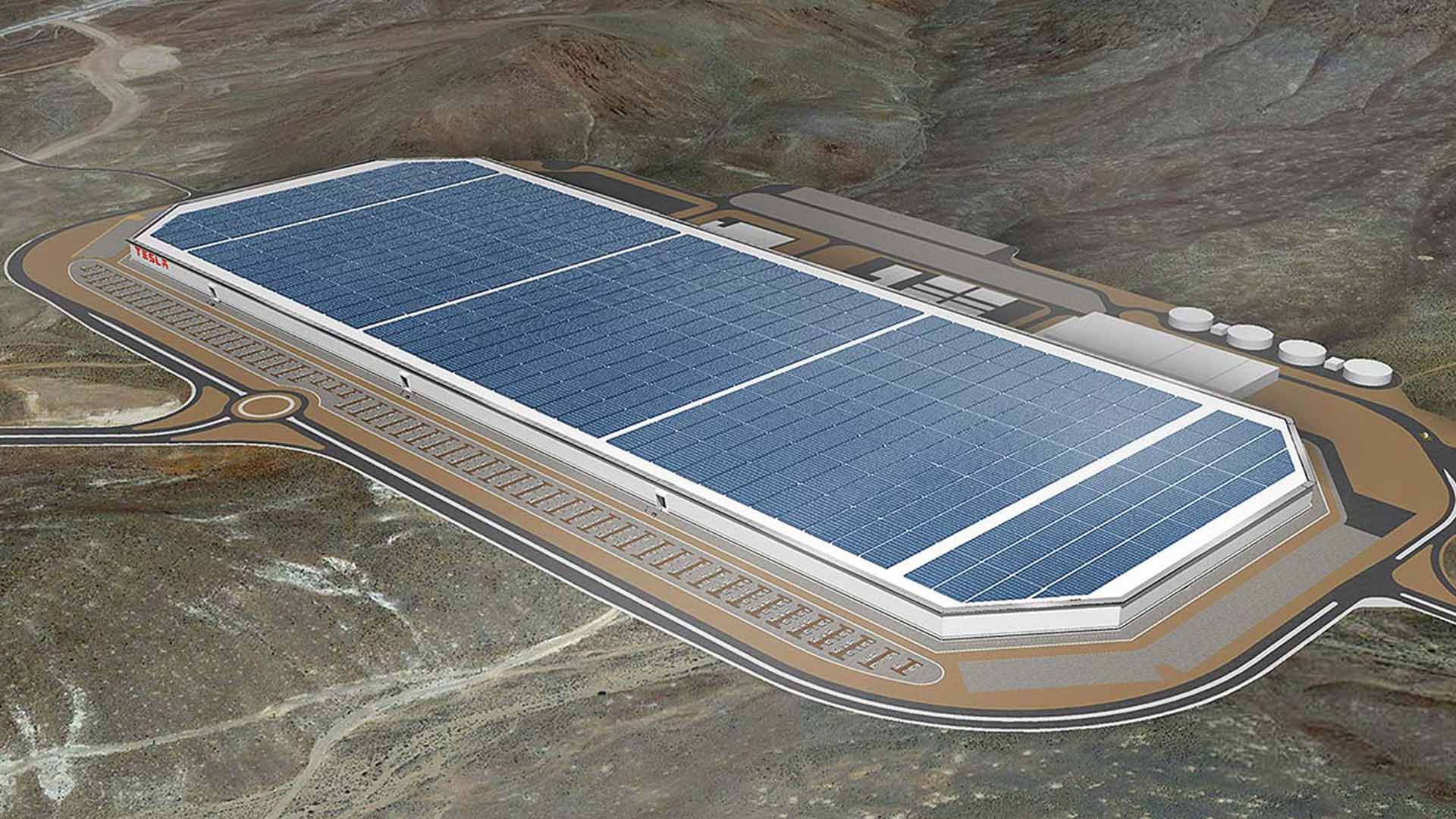
The EU will be hoping that the promise of gigafactories will send a positive signal to sceptical and wary investors. However, it should remember that AI is a systems technology. Nations that use it to make energy cheaper, regulation swifter and innovation easier will shape the next era. Europe still has a chance—but the window is narrowing fast.
By Maria Taylor-founder of Verulam Capital.
The post Europe’s AI Moment: €25bn Gigafactories Won’t Be Enough Without Integration appeared first on European Business & Finance Magazine.