






















Europe embarrassed by the US military operation in Venezuela, Starmer’s cold reaction
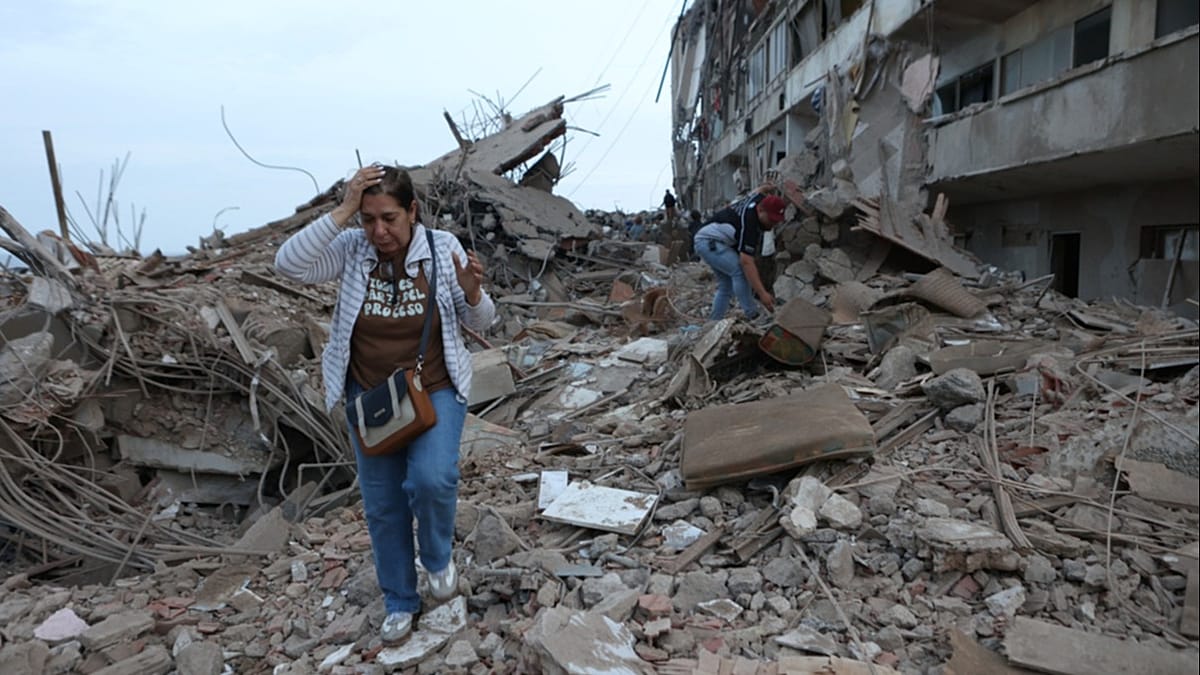
Brussels (ANSA) – Europe is buying time, London is distancing itself, and the transatlantic axis is showing new cracks after the U.S. operation in Venezuela. While Washington speeds up, European capitals are moving cautiously, calling for respect for international law and asking for de-escalation, without openly aligning themselves with the American line.
The president of the European Parliament Roberta Metsola states that “the Venezuelan people deserve to live free after years of oppression,” reiterating that the European Parliament does not consider Nicolás Maduro “the legitimate elected leader of Venezuela.” The clearest political signal came from the United Kingdom. British Prime Minister Keir Starmer made it clear that London “was in no way involved” in the U.S. operation and chose to suspend political judgment.
“I want first to establish the facts,” speak with Trump and the allies, he said. A cooling toward Washington that highlights European embarrassment. In Brussels, the message is more united but just as cautious. High Representative Kaja Kallas reported that she had spoken with U.S. Secretary of State Marco Rubio and with the EU ambassador in Caracas, reiterating that the EU “is closely monitoring the situation” and has already stated that Maduro “lacks legitimacy.”
The political center of gravity of the EU position lies in the words of the president of the Commission Ursula von der Leyen, who stressed that the Union is “on the side of the Venezuelan people” and supports a “peaceful and democratic transition.” “Any solution must respect international law and the Charter of the United Nations.”
On the same line is the president of the European Council Antonio Costa, who called for “de-escalation and a peaceful, democratic and inclusive solution.” Madrid’s position is similar, with an “appeal for de-escalation and responsibility” together with a call to the “principles of the Charter of the United Nations.”
Paris, on the other hand, has expressed a clearer dissent: “No lasting political solution can be imposed from the outside,” said French Foreign Minister Jean-Noel Barrot. The U.S. operation violates “the principle of non-use of force, which underpins international law.” For Italy, “external military action is not the way to put an end to totalitarian regimes,” but it considers “legitimate an intervention of a defensive nature against hybrid attacks on its own security, as in the case of state entities that fuel and facilitate drug trafficking” (January 3).