





























Europe 2026 Outlook — Part I: AI, Cyber and the New Capital Cycle Remaking European Markets
Europe is heading into 2026 in the middle of its most important capital reallocation since the creation of the single market. The beneficiaries are no longer consumer brands or low-cost exporters. They are companies that own compute, power, security and industrial software — the hard infrastructure of the digital economy.
This shift is already visible in earnings, order books and share prices across European markets, where data-centre suppliers, grid operators and cyber-security firms have outperformed much of the broader index over the past year.
AI infrastructure: Europe’s fastest-growing capital market
The most powerful investment theme in Europe is no longer apps or platforms — it is AI infrastructure.
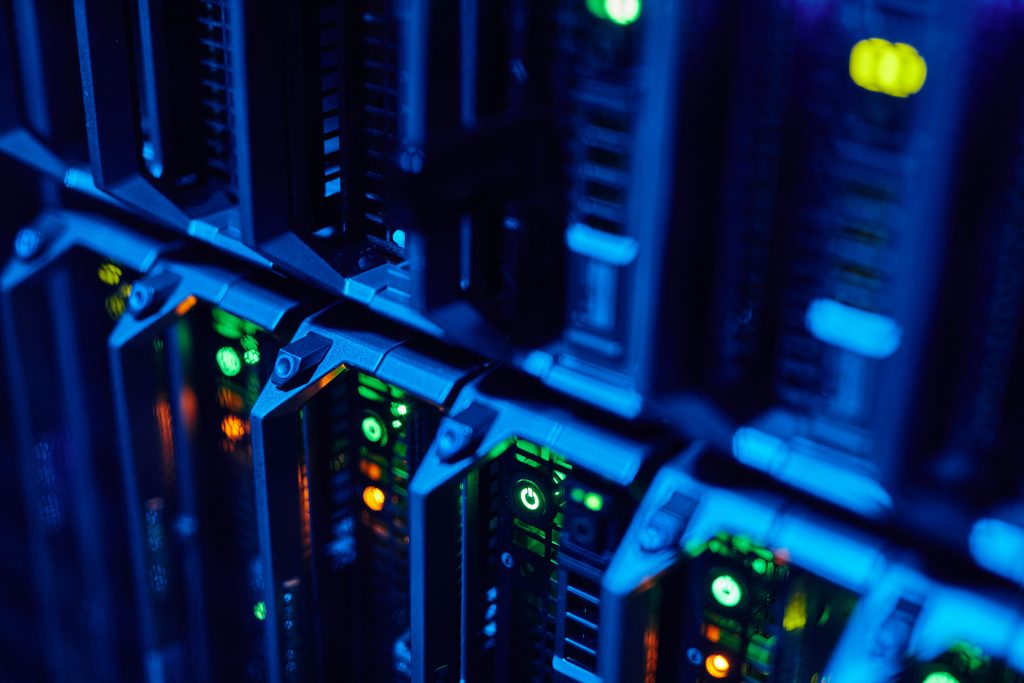
In 2024 and 2025, European data-centre investment rose at its fastest pace in more than a decade, driven by hyperscalers racing to secure capacity for generative AI. Frankfurt overtook London as Europe’s largest data-centre hub, while Paris, Dublin and Amsterdam all saw record leasing volumes.
The corporate winners are becoming clear.
Siemens Energy, which supplies power-management and grid-stabilisation systems used by hyperscale data centres, saw its order book surge over the past year as AI-linked demand replaced collapsing wind-turbine sales.
Schneider Electric, Europe’s dominant supplier of data-centre electrical systems and cooling software, has reported double-digit growth in its digital infrastructure division as cloud providers expand their European footprints.
ABB, the Swiss-Swedish engineering group, is benefiting from a wave of spending on automation, high-voltage equipment and industrial robotics needed to build and run AI-grade facilities.
Even European real-estate groups have been pulled into the boom.
SEGRO, Vantage, Digital Realty and Equinix are expanding their European campuses, while infrastructure funds such as Brookfield and Blackstone are pouring billions into AI-ready sites across Germany, France and the Nordics.
Compared with a year ago, when European tech stocks were still dominated by consumer platforms and e-commerce, capital is now rotating into firms that own the physical backbone of AI — a structural shift that is reshaping European business.
Energy becomes the gatekeeper of the AI economy
What has changed most since 2025 is not demand for AI — it is the price of electricity and grid access.
In Germany and the Netherlands, developers are now being told to wait years for new data-centre connections, forcing hyperscalers to compete for scarce power. This has turned European utilities and grid operators into some of the most powerful players in the digital economy.
Companies such as E.ON, RWE, National Grid and Iberdrola are signing long-term power-purchase agreements with data-centre operators, locking in stable revenue streams that did not exist two years ago.
Meanwhile Ørsted, Statkraft and Vattenfall are selling renewable power directly to cloud operators, effectively turning wind and hydro projects into AI infrastructure.
In 2024, most renewable projects were priced as volatile commodity assets. By 2026, they are increasingly being valued like long-term contracted utilities — a major re-rating inside Europe’s energy sector.
Cybersecurity becomes defence spending in disguise
The second great shift since last year is that cybersecurity has become national-security spending.
In 2024, cyber budgets were still treated as discretionary IT. In 2026, they are being embedded in defence, infrastructure and critical-services budgets — making revenues far more predictable.
European firms such as Darktrace, WithSecure, Thales and Atos’ cybersecurity division are benefiting from multi-year contracts with governments, utilities and transport operators. Meanwhile US giants such as Palo Alto Networks, CrowdStrike and Zscaler are expanding aggressively in Europe as regulators force companies to meet stricter resilience standards.
Compared with a year ago, when cybersecurity was still a high-volatility tech trade, it is now being priced more like regulated infrastructure, boosting its weight inside European technology markets.
How markets are re-rating Europe
These forces — AI, energy and cyber — are now dominating market performance.
Over the past year, European defence and infrastructure stocks have significantly outperformed consumer and retail names. Companies tied to data centres, grid equipment and digital security have seen earnings upgrades, while consumer-facing firms struggle with inflation and slowing demand.
This marks a decisive break from 2023–24, when European markets were driven largely by:Luxury goods, Travel and Consumer tech
By 2026, strategic infrastructure has taken over.
Investors are no longer asking whether Europe can compete with Silicon Valley. They are asking who controls Europe’s power, compute and security.
That question now defines European markets.
The new European investment map
Capital is also moving geographically.
Germany and the Nordics dominate in:
-
Engineering
-
Power systems
-
Industrial automation
Ireland, France and the Netherlands lead in:
-
Cloud and data centres
Spain and Portugal are becoming:
-
Energy-linked digital hubs
Eastern Europe is attracting:
-
Cybersecurity talent
-
Defence-linked manufacturing
This is creating a multi-hub digital-industrial Europe, far more complex — and more investable — than the old export-led model.
What 2026 investors are really buying
The winners of Europe’s 2026 cycle will not be consumer brands. They will be:
-
Grid owners
-
Data-centre operators
-
Power-electronics firms
-
Cyber-security platforms
-
Industrial automation leaders
These companies are now the backbone of Europe’s next growth engine — and they are where global capital is going.
The post Europe 2026 Outlook — Part I: AI, Cyber and the New Capital Cycle Remaking European Markets appeared first on European Business & Finance Magazine.