




















EU wants to temporarily suspend import duties on fertilizers to help farmers
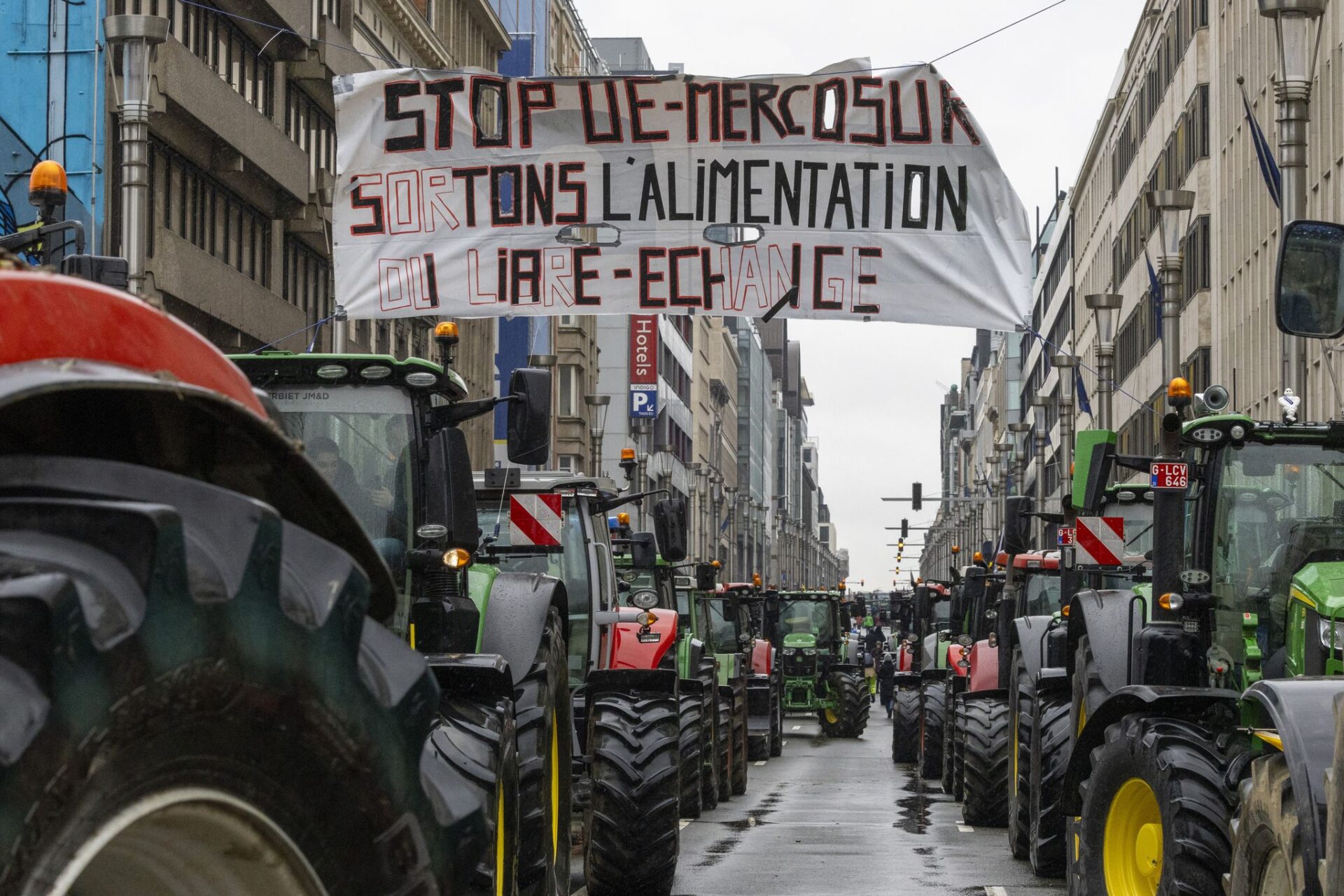
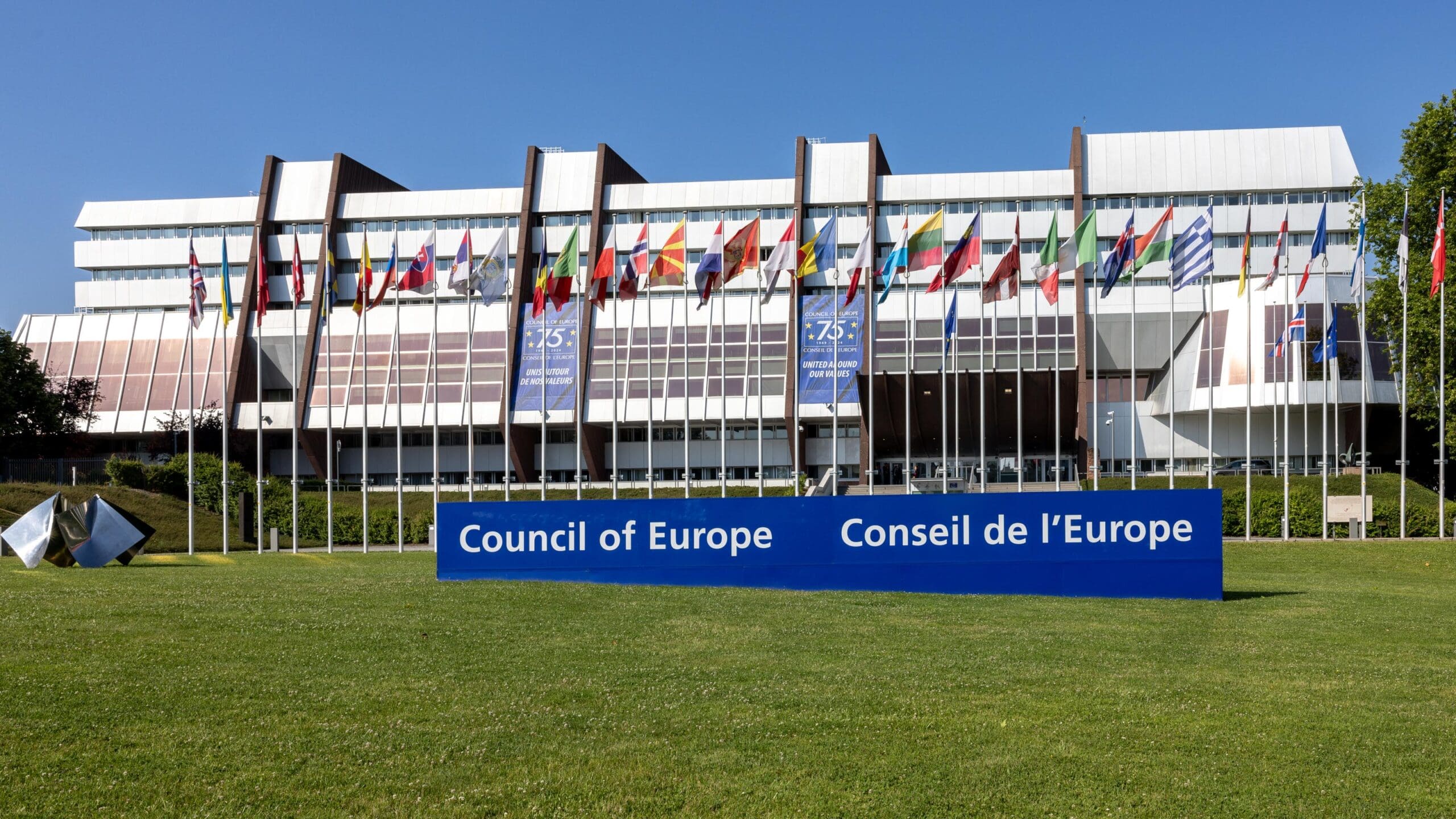
The Commission and the Cypriot presidency of the EU Council organized an informal meeting of Agriculture Ministers on Wednesday following the intense farmers’ protests on 18 December on the sidelines of the European summit. To respond to the farmers’ concerns, the Commission wants, among other things, to temporarily and retroactively suspend import tariffs on fertilizers such as ammonia and urea in order to reduce the prices of artificial fertilizers, and also to adjust the border tax mechanism (CBAM) to allow temporary exemptions for fertilizers.
“While prices have stabilized, fertilizer prices remain 60 percent higher than in 2020. That is simply not sustainable,” said European Commissioner for Trade Maros Sefcovic at a press conference after the meeting.
The Commission also wants to ban three pesticides that are prohibited within the EU in imported products as well, and is working on a series of more technical adjustments and simplifications to the existing regulations. On Tuesday/yesterday, European Commission President Ursula von der Leyen had already proposed to release 45 billion euros early for farmers in the next multiannual budget.
Flemish Minister of Agriculture Jo Brouns, who represented Belgium together with his Walloon colleague Anne-Catherine Dalcq, nevertheless calls the measures “far from sufficient” to tackle the structural problems and the fundamental bottlenecks. “As long as farmers in Europe continue to face an accumulation of obligations, inspections and sanctions, while competitors from outside the EU gain access to the market under less stringent conditions, the playing field remains uneven,” he says.
The meeting took place ahead of a possible vote by the member states on Friday on the EU-Mercosur free trade agreement. The European Commission wants to officially sign that agreement as soon as possible, but does not yet have the necessary support from the member states. Mercosur was not officially on the ministers’ agenda on Wednesday, but the Commission’s concessions are seen as a way to get the countries that are still hesitating over the line.
Attention is focused in particular on Italy, which until recently opposed the agreement but, according to various media, could change its position. Without Italy, it will be very difficult for the opponents of the agreement – led by France and Poland – to find a blocking minority. Belgium has announced that it will have to abstain.
On Thursday and Friday, farmers’ protests against Mercosur will again take place in Belgium and France.
(Brussels, 7 January 2026)