































EU Strikes €90bn Loan Deal for Ukraine After Russian Asset Plan Collapses

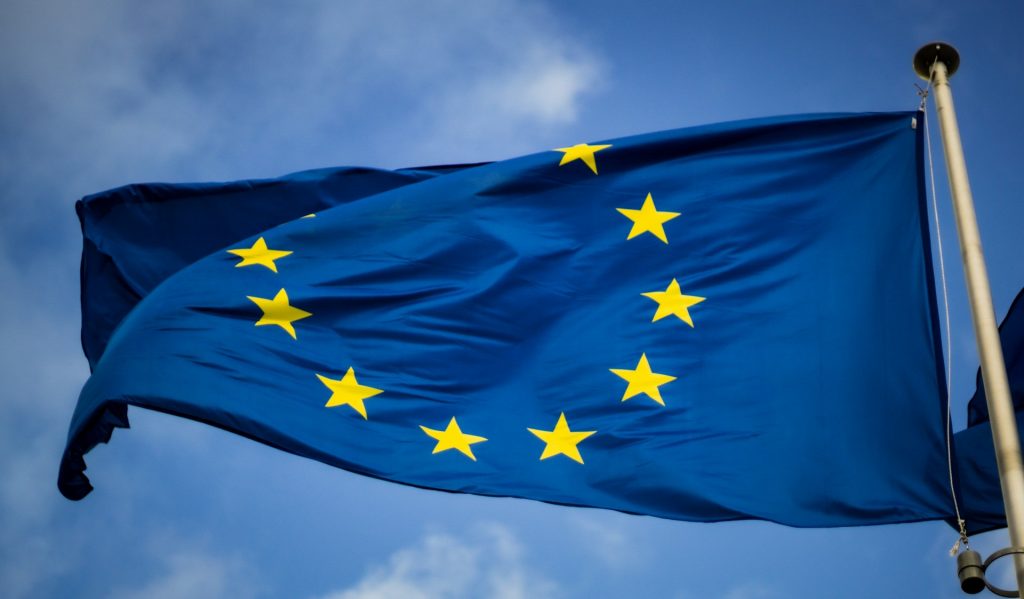
The European Union has agreed to provide €90bn in financial support to Ukraine after abandoning plans to fund Kyiv by mobilising frozen Russian sovereign assets, underscoring both the bloc’s continued backing for Ukraine and the limits of Europe’s willingness to weaponise its financial system.
The agreement, reached after extended negotiations among EU leaders, will see the bloc raise funds through joint borrowing on capital markets, with the proceeds channelled to Ukraine over the next two years. The package is designed to help Kyiv meet urgent budgetary needs, including public sector wages, pensions and defence expenditure, as the war continues to weigh heavily on state finances.
While the scale of the support marks one of the EU’s most significant commitments since the conflict began, the failure of the frozen-asset strategy highlights deep legal, political and financial constraints that continue to shape Europe’s response to the war.
Frozen Russian asset plan collapses
At the centre of the abandoned proposal were approximately €200bn of Russian central bank reserves frozen within EU jurisdictions since the invasion of Ukraine. Some policymakers had argued that these assets should be used directly to support Ukraine’s war effort and reconstruction, framing the move as a justified response to Russia’s aggression.
However, resistance hardened as concerns mounted over the legal and systemic implications. Officials warned that seizing or heavily leveraging sovereign assets could undermine confidence in Europe as a safe destination for reserves, expose the EU to lengthy legal disputes and weaken the credibility of the euro.
These concerns echo broader anxieties outlined in European Business Magazine’s analysis of Europe’s financial sanctions dilemma, which examines how aggressive economic measures risk damaging the institutions they are meant to protect.
Member states hosting a large share of the frozen assets were particularly reluctant to assume open-ended liabilities, ultimately blocking consensus and forcing leaders to seek a less contentious alternative.
EU falls back on joint borrowing
With the asset plan shelved, EU leaders reverted to a tool that has increasingly become central to crisis management: collective debt issuance. The €90bn package will be structured as long-term loans to Ukraine, backed by the EU budget and raised through bond markets.
Officials stressed that the loans would be highly concessional, with extended maturities and no immediate repayment burden for Kyiv. Any future repayments would be linked to Ukraine’s economic recovery, with the possibility that Russian reparations — should they materialise — could ultimately offset the cost.
The move reinforces a broader shift in EU fiscal policy, explored in EBM’s coverage of how joint EU debt has become permanent, charting the evolution of collective borrowing from an emergency response into a recurring feature of European policymaking.
What was once politically taboo is now increasingly accepted as the price of maintaining stability in the face of overlapping geopolitical and economic shocks.
Political fault lines re-emerge
Despite the final agreement, the negotiations exposed persistent divisions within the bloc. Several central and eastern European states pushed for limits on their exposure to joint guarantees, while fiscally conservative governments warned against setting precedents that could weaken national control over budgets.
Hungary and a small group of allies opposed any mechanism that resembled asset confiscation or unconditional transfers, arguing that Europe must avoid steps that could inflict long-term damage on its own economy.
These tensions reflect a wider pattern identified in EBM’s reporting on why Europe struggles to act united on geopolitics, where national interests frequently complicate collective responses to strategic crises.
Nonetheless, EU leaders were keen to present the outcome as a demonstration of resolve rather than fragmentation, emphasising that Ukraine’s immediate financing gap has now been addressed.
Relief for Kyiv — but challenges remain
For Ukraine, the loan provides critical short-term stability. Officials estimate the package will cover a significant share of budgetary needs through 2027, reducing pressure on the central bank and helping to stabilise inflation expectations.
However, economists caution that the funding does not resolve Ukraine’s longer-term fiscal challenges. As long as the war continues, economic growth remains constrained and dependence on external support unavoidable.
The deal also raises questions about sustainability and burden-sharing, particularly as political support for Ukraine varies across member states. These concerns are examined in EBM’s analysis of whether Europe can afford to support Ukraine long term.
What the deal means for Europe
Beyond its immediate financial implications, the episode highlights the evolving limits of European power. The inability to agree on using frozen Russian assets underscores how legal norms, market confidence and internal politics continue to constrain EU action — even in the face of an existential security threat.
At the same time, the willingness to once again deploy joint borrowing reflects how far the bloc has already moved away from its pre-crisis fiscal orthodoxy. Europe may not yet be prepared to fully weaponise its financial system, but it is increasingly comfortable mutualising risk when geopolitical pressure demands it.
As discussions over peace negotiations, reconstruction funding and reparations continue, the frozen asset question is likely to return. For now, EU leaders have chosen pragmatism over confrontation — preserving financial stability while postponing more radical decisions.
Whether that restraint proves a strength or a strategic weakness will shape Europe’s role in the conflict, and its credibility as a geopolitical actor, in the years ahead.
The post EU Strikes €90bn Loan Deal for Ukraine After Russian Asset Plan Collapses appeared first on European Business & Finance Magazine.