


















EU states vote for Mercosur agreement – Austria divided

Brussels/Vienna (APA) – After more than 25 years of negotiations, the European Union’s free trade agreement with the South American Mercosur states is as good as wrapped up. The ambassadors of the 27 EU countries approved the agreement by a majority on Friday. In Austria, the reactions are mixed: business representatives are satisfied, farmers and environmentalists are disappointed. Austria was bound to a no by a parliamentary resolution.
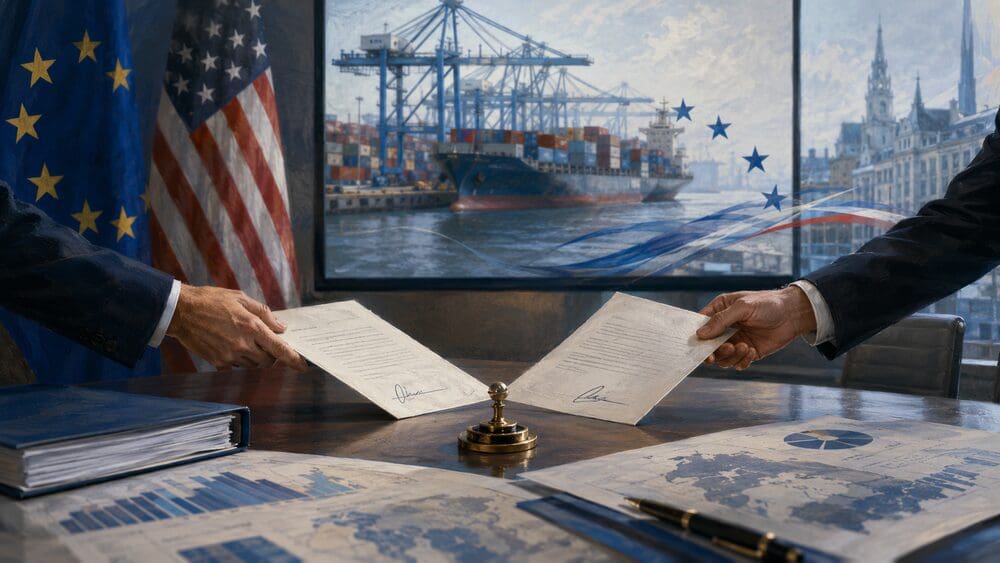
With today’s agreement, EU Commission President Ursula von der Leyen will probably be able to sign the agreement next week with the Mercosur partners Argentina, Brazil, Paraguay and Uruguay. France and Poland stuck to their no, but were outvoted by a change of course from the initially critical Italians. The German Chancellor Friedrich Merz spoke of a “milestone”, and representatives of the Austrian and German business communities expressed relief.
The agreement aims to create the world’s largest free trade zone with over 700 million inhabitants. Most recently, Bolivia also joined the Mercosur bloc. Proponents such as the EU Commission and Germany and Spain see in it an opportunity to open up new markets, offset the loss of business due to US tariffs, and reduce dependence on China through access to important raw materials.
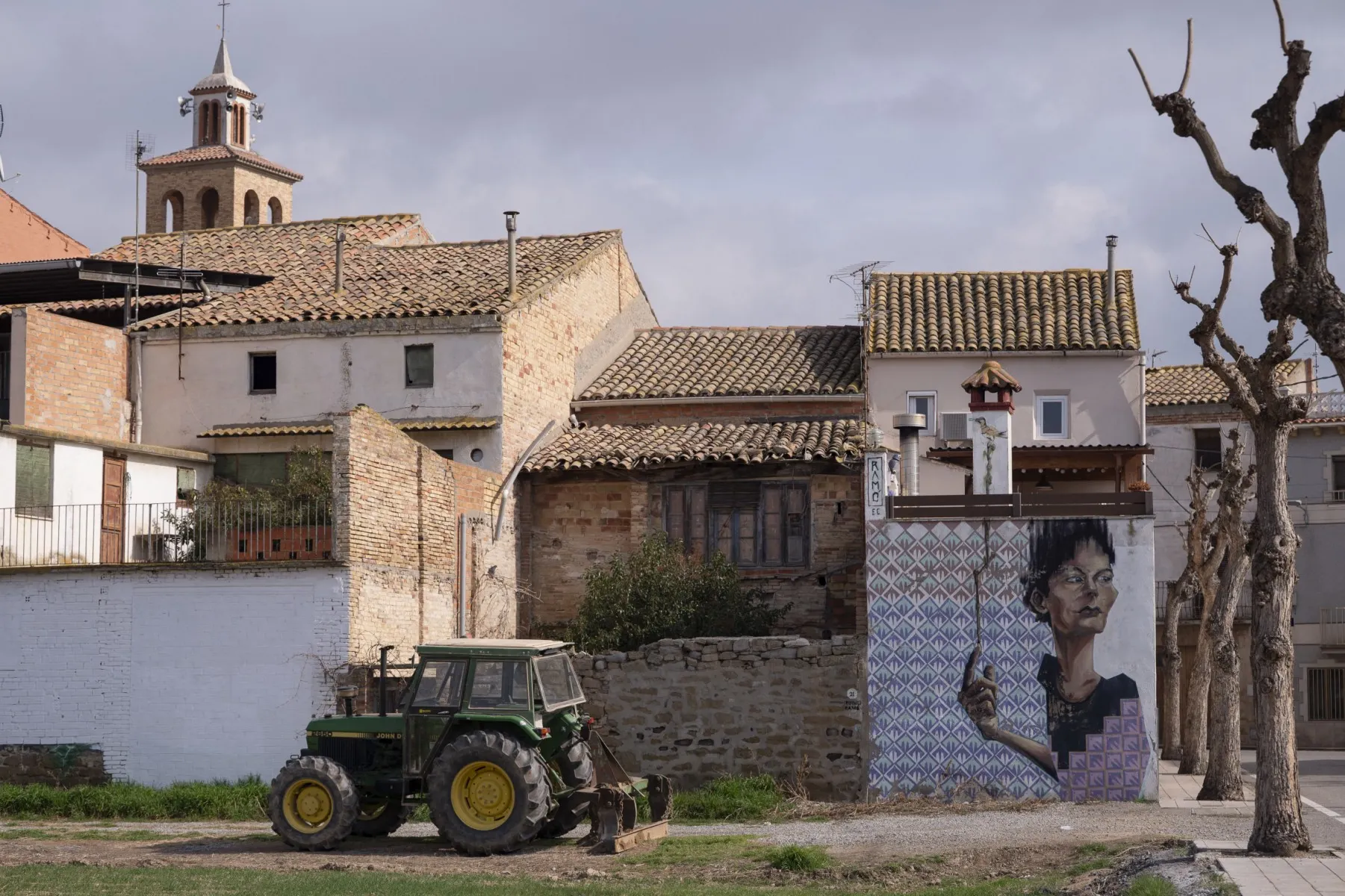
Opponents such as France, however, fear an increase in imports of cheap foodstuffs such as beef, poultry and sugar, which would put domestic farmers under pressure. There have already been EU-wide protests by farmers. On Friday, motorways in France and Belgium were once again blocked, and farmers also took to the streets in Poland. Emotions were running high in Austria as well.
Austria’s farmers dissatisfied
Supportive voices came from the business side, negative ones from the agricultural and environmental side. This was also evident within the ÖVP and its affiliated associations – the business association in favor, the farmers’ association against. From the SPÖ, which is fundamentally actually critical of the agreement, came approving words from Vienna’s mayor Michael Ludwig, among other things with reference to safeguard clauses for farmers and the geopolitical situation. The FPÖ and the Greens reject the pact, as do environmentalists from Global 2000 or Greenpeace. The NEOS support the agreement.
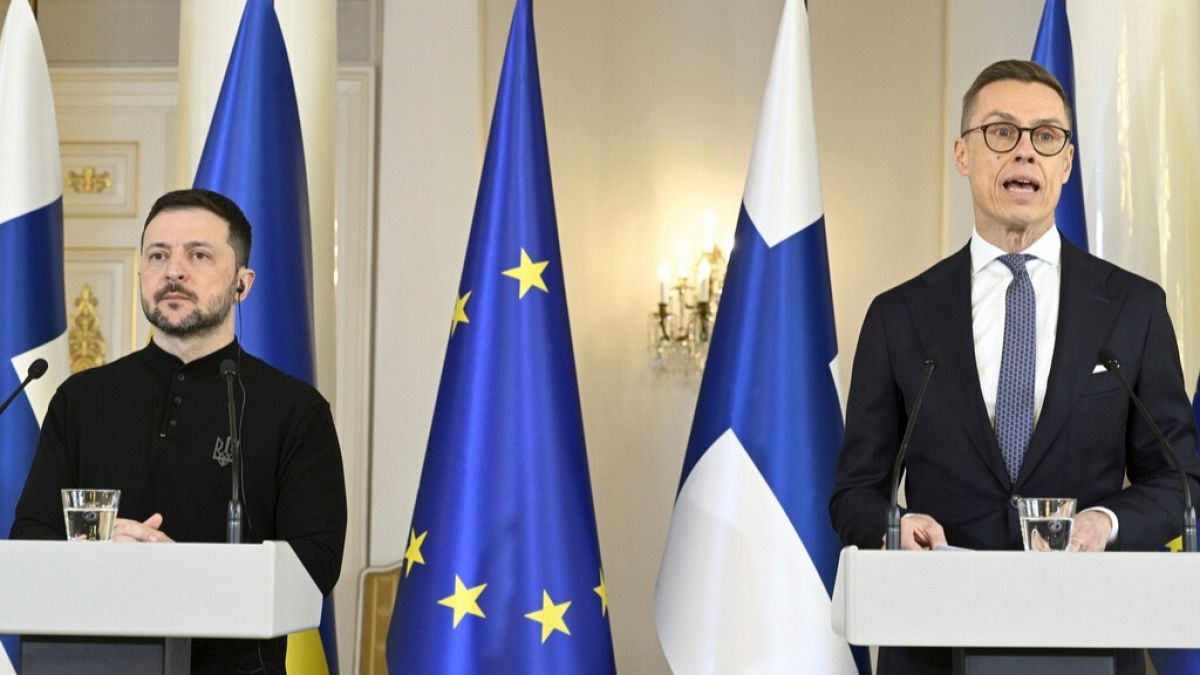
“The agreement on the EU-Mercosur deal is a milestone in European trade policy and an important signal of our strategic sovereignty and capacity to act,” Germany’s Chancellor Merz said in Berlin. “With the agreement, we are strengthening our economy and trade relations with our partners in South America – that is good for Germany and for Europe,” Merz emphasized, adding: “But: 25 years of negotiations were too long. Now it is important to conclude the next free trade agreements quickly.” A similar agreement is also being sought with India, where the Chancellor will travel on Sunday.
“Fight not over yet”
With the agreement, which still has to be approved by the European Parliament, tariffs amounting to four billion euros on EU exports would be eliminated. The EU and Mercosur want to expand trade in goods, which amounted to 111 billion euros in 2024. To win over skeptics, the EU Commission has introduced safeguard measures that allow imports of certain agricultural products to be suspended. In addition, import controls are to be tightened and a crisis fund set up. However, the concessions were not enough to convince Poland or France. They did, however, lead Italy to change its position from a “no” in December to a “yes” on Friday. This secured the necessary majority.
The fight is not over yet, said French Agriculture Minister Annie Genevard. She announced that she would work for a rejection in the European Parliament, where the vote could be close. European environmental organizations also reject the agreement. However, the chairman of the Parliament’s trade committee, the German Social Democrat Bernd Lange, expressed confidence that the agreement will be adopted. A final vote will probably be possible in April or May. (01/09/2026)