


















EU postpones Mercosur trade deal amid member states resistance and farmer backlash
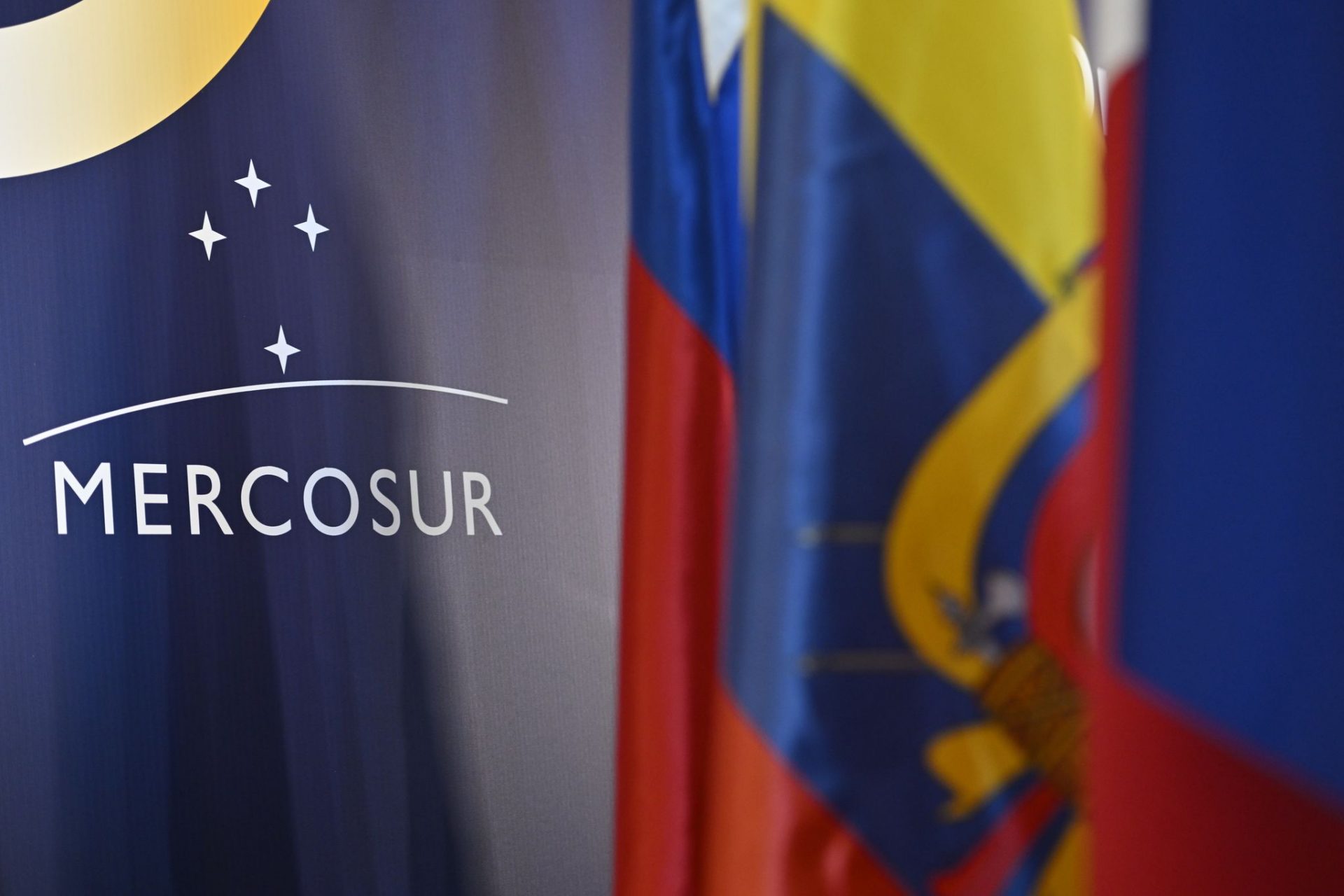
The European Union is postponing the signing of a free trade deal with four Mercosur countries — Brazil, Argentina, Uruguay and Paraguay — until January, an EU official said on Thursday. A new date to sign the agreement is now to be set for the first half of January, EU representatives announced on the sidelines of a summit meeting of heads of state and government in Brussels.
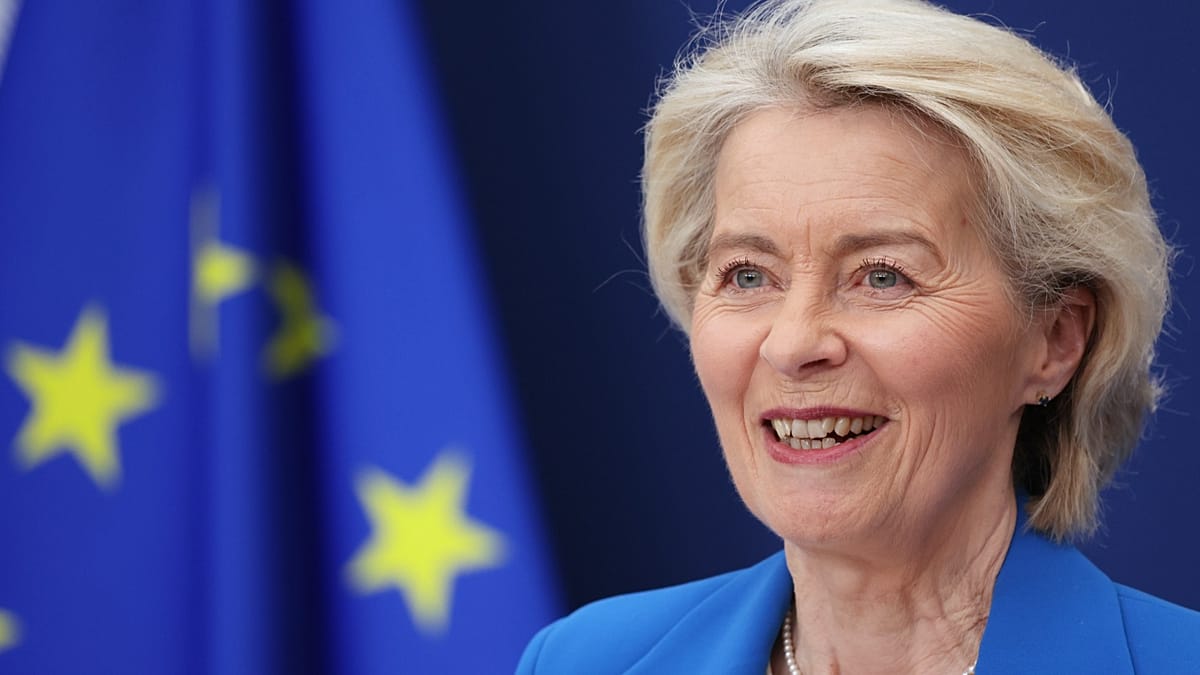
The President of the European Commission, Ursula von der Leyen, had been hoping to sign the treaty at the Mercosur summit on Saturday in the Brazilian city of Foz do Iguaçu. But she needed the approval of a qualified majority of member states in Brussels.
Although the European Commission was backed by Germany, the largest economy in the EU, as well as Spain, Denmark, Sweden and Finland, firm opposition from France and setbacks from Italy and other member states resulted in the agreement getting postponed.
On Wednesday, European Parliament and Council negotiators informally agreed on “safeguard” measures aimed at reassuring farmers across the bloc, which will be implemented once the agreement comes into force.
But despite Brussels’ efforts, European farmers remained furious. On Thursday, just steps from the Europa Building where EU leaders were meeting, around a thousand vehicles and up to 10,000 farmers from all over the Union arrived in Brussels to protest against the free trade agreement.
Rowdy scenes erupted outside the European Parliament, where protesters lit fires, set off fireworks and hurled potatoes, bottles and other objects at the police who responded with tear gas and water cannons.

A fire and a tractor are seen in front of the European Parliament at the Place du Luxembourg, during a farmers’ protest to denounce trade agreements such as the Mercosur, in Brussels, on December 18, 2025. Foto : Nicolas Tucat / AFP
Similar demonstrations have also taken place during the European Parliament’s plenary session in Strasbourg in France, at Liège airport in Belgium, and in some other member states, such as Spain, Poland and Bulgaria.
But what does the agreement involve, and why is it battling such a strong opposition?
EU-Mercosur free trade agreement
Mercosur, also known as the Southern Common Market, is a South American trade bloc established in 1991. The negotiations for the free trade agreement with the EU began in 1999, but it was not until 2019 when an agreement in principle was reached by both sides. Nevertheless, the deal was never ratified due to environmental, social, and economic concerns.
December 2024 marked a breakthrough for the deal, with the EU and the Mercosur bloc — comprising Brazil, Argentina, Uruguay and Paraguay — finally reaching an agreement to establish the EU’s largest trade accord. It now required a qualified majority among EU governments, meaning 15 of 27 members representing 65 percent of the EU population.
In September, the European Commission adopted proposals for Council decisions on the signature and conclusion of two parallel legal instruments: the EU-Mercosur Partnership Agreement (EMPA) and the interim Trade Agreement (iTA). The iTA will be repealed and replaced by the EMPA once the latter is fully ratified and enters into force.
The European Parliament still needs to give its final approval to the accord.
After 25 years in the making, the EU-Mercosur free trade agreement would create the world’s biggest free-trade area. According to the European Commission’s Directorate-General for Trade (DG TRADE), the EU is Mercosur’s second-largest trading partner in goods, with exports of 57 billion Euro in 2024. The EU accounts for a quarter of total Mercosur trade in services, with EU exports to the region amounting to 29 billion Euro in 2023.
Once signed, the agreement will allow the EU to export more vehicles, machinery, wines and spirits to Latin America, while easing the entry of South American beef, sugar, rice, honey and soybeans into Europe.In recent days, Brussels repeatedly stressed that a signing would be essential before the end of the year, for the European Union’s “credibility” and to avoid upsetting Latin American partners. Adding to the tension, Brazil’s President, Luiz Inácio Lula da Silva had previously warned that “if it is not closed now, we will not sign while I am president”.
However, on Thursday Brazil’s President opened the door to delaying the deal’s signature to win over the holdouts. Lula had a call with Italian Prime Minister Giorgia Meloni who had asked him for “patience” and indicated Rome would eventually be ready to sign.
“I spoke with Meloni and she explained that she is not opposed to the deal, but that Italy is going through a difficult political moment because of Italian farmers. She is confident she can convince them to accept it,” Lula said. “(Meloni) asked me to be patient for a week, ten days or at most a month, and that Italy would join,” the Brazilian president added.
In order to calm down its strongest detractors – the agricultural sector across the bloc, France and other countries such as Italy or Poland –, the European Parliament and Council agreed on Wednesday on bilateral “safeguard” measures. These include the possibility to suspend tariff preferences for sensitive agricultural products – such as poultry, beef, eggs, citrus and sugar –, establish stricter thresholds to trigger safeguards and for the Commission to monitor the market closely and constantly to assess its impact and act accordingly.
The European Parliament’s rapporteur on the file, MEP Gabriel Mato, stated afterwards in a press round: “Today, we send a clear message: we can move forward with the Mercosur agreement without leaving our farmers unprotected. We have agreed on a robust, swift and legally sound safeguard mechanism that allows us to respond in a timely manner to market disruptions and provides the certainty the sector has long been calling for.”
EU credibility at stake
A partnership agreement between the EU and Mercosur would send a clear signal to the world that two of its largest economies reject protectionism, and are open for business and for trade on the basis of fair rules and high standards.
Powerhouse Germany is a strong backer of the pact, and a government spokesman called it “urgently necessary” to seal the deal this week. “If the European Union wants to remain credible in global trade policy, decisions must be made now, and the decision can only be that Europe approves it,” the German Chancellor, Friedrich Merz, had said on Thursday in a doorstep statement at the European Council.
German industry also pushes for a quick resolution. From the perspective of the Association of German Chambers of Industry and Commerce (DIHK), “the EU must not miss the opportunity to forge closer ties with important trade and raw material partners in South America and to reduce existing trade barriers”, according to its foreign trade chief Volker Treier.
Along with Germany, Spain, Denmark, Sweden and Finland strongly support the pact, eager to boost exports as Europe grapples with Chinese competition and US tariffs.
Spain is one of the strongest supporters of the EU-Mercosur trade deal, citing historical ties with Latin America and robust commercial links between key sectors of the Spanish economy and the four countries in the bloc.
Speaking to reporters upon arrival at the meeting of EU leaders in Brussels, Spanish Prime Minister Pedro Sánchez also had said that it would be “frustrating” if the deal were not concluded this week, arguing that it could help the EU to gain “geopolitical and economic weight” at a time of global uncertainty involving both traditional allies and adversaries.
Spain’s agricultural sector, however, has been sharply critical of the agreement, echoing opposition from farmers across the EU, and has joined protests in the Belgian capital to denounce what they describe as the “unfair competition” the pact would bring to European markets.
Double standards, double challenges
Under pressure at home, French President Emmanuel Macron won a battle in Brussels on Thursday with the postponement of a vote on the Mercosur trade agreement, thanks to key support from Italy.
France was calling for a “postponement” of any decision, under pressure from protesting farmers in their country and in the Belgian capital, as well as from a nearly unanimous French political class opposed to the text.

French farmers demonstrate against the free-trade agreement between the European Union and Latin American countries of the Mercosur, outside the European Parliament, in Strasbourg, eastern France on November 24, 2025. Foto: Frederik Florin / AFP
Speaking after the summit late Thursday night, Macron said it was “too early” to say whether he could accept the agreement in January, without ruling it out. “I hope so, because that would mean we have achieved (…) historic progress,” he explained. However, as the FNSEA, France’s main farming union, summed it up: for farmers “Mercosur is still a no.”
Italian Prime Minister Giorgia Meloni said Wednesday that Rome was not ready to sign off on the EU-Mercosur trade deal. “It would be premature to sign the deal in the coming days,” as some of the safeguards Italy wants to protect its farmers are still to be finalised, she said in an address to parliament.
Poland will continue to oppose the trade agreement, Prime Minister Donald Tusk has said, following the recent delay in signing the deal. President Karol Nawrocki stated that he would devote all his efforts to prevent it from being signed, and that the government was actively working to build a “blocking minority” within the EU. The Polish ruling coalition voiced its opposition to the Mercosur deal in its current form too.
Bulgarian Minister of Agriculture and Food, Georgi Tahov, emphasised likewise that the country supports the introduction of protective mechanisms in EU legislation to safeguard farmers’ interests and mitigate potential risks for the agricultural sector.
Concerns come equally from the farmers’ side there. The Bulgarian National Grain Producers Association (NGPA) voiced its concern over the possible implications. “Applying double standards to cheaper imports, which meet lower environmental and ethical requirements, compromises the efforts of EU farmers to adhere to higher standards, especially in the context of the European Green Deal,” they highlighted.
NGPA joined the protest organised by the EU agri-food platform COPA-COGECA in Brussels on Thursday, which demanded a strong and well-funded Common Agricultural Policy.
In Belgium, the various governments did not reach a consensus on their position, so the country will abstain from voting. The Walloon government opposed the Mercosur agreement too. Federal Agriculture minister David Clarinval said that even if it could benefit some agricultural sectors such as dairy and potatoes, “we are aware that other sectors, such as sugar and beef production, may be hit harder despite the protective clauses in place.”
Principle of reciprocity
The sensitive point, on the Rome-Paris axis, concerns guarantees of reciprocity and the safeguard and mirror clauses designed to ensure that South American products also meet European standards, from pesticides to food safety. “If it takes a few more weeks, we will take them,” Meloni said, expecting that favorable conditions will develop at the beginning of 2026.
Already during the plenary session of the European Parliament in Strasbourg earlier in the week, a draft regulation concerning security clauses for the EU-Mercosur agreement, aiming to placate tensions, was adopted.
“Polish farmers have secured extended safeguard clauses, including the most important one – the principle of reciprocity, which all agricultural trade unions and individual farmers have been striving for,” said Poland’s Minister of Agriculture, Stefan Krajewski, regarding the European Parliament’s proposal. This would mean that goods imported from Mercosur countries will have to meet the same quality and safety standards, with regard to the use of pesticides and antibiotics, which already apply to farmers throughout the EU. Yet the proposition did not make the final deal.
Italian Prime Minister Meloni said Italy has also “worked intensively with the Commission” on its demands. They included safeguard mechanisms, a fall-back compensation fund, and stronger pest and disease regulations. Together with France, Poland, Ireland, Austria and Hungary, Italy used the opportunity to form a blocking minority within the 27 that now prevents the agreement from being examined until January.
In the end, the President of the European Commission, Ursula von der Leyen, told the heads of state and government meeting at a summit in Brussels on Thursday that the signing of the free trade agreement between the EU and Mercosur will not be signed this Saturday.
Postponing the deal until January is an interim solution making EU chief Ursula von der Leyen “confident” the bloc will approve the deal next month. “This evening, we have achieved a breakthrough to pave the way for a successful completion of the Mercosur agreement in January,” the European Commission head said.
In the absence of a specific date, other EU sources underlined that Europeans want the signing to take place “as soon as possible”, ideally at the beginning of January.
This article is an ENR Key Story. The content is based on information published by ENR participating agencies.