































Dubai’s Gold Pipeline Is Broken: How the Iran War Is Disrupting 20% of Global Bullion Flows

The world’s biggest precious metals transit hub has gone dark. Traders are scrambling to reroute, and Asian premiums are already spiking.
Dubai handles roughly 20% of global gold flows. As of this week, almost none of it is moving. The Iran war has grounded flights across the Gulf, shutting down the emirate’s role as the critical link between African mines, European refiners, and Asian buyers — and creating a supply bottleneck that traders say could trigger sharp regional price dislocations in the days ahead.
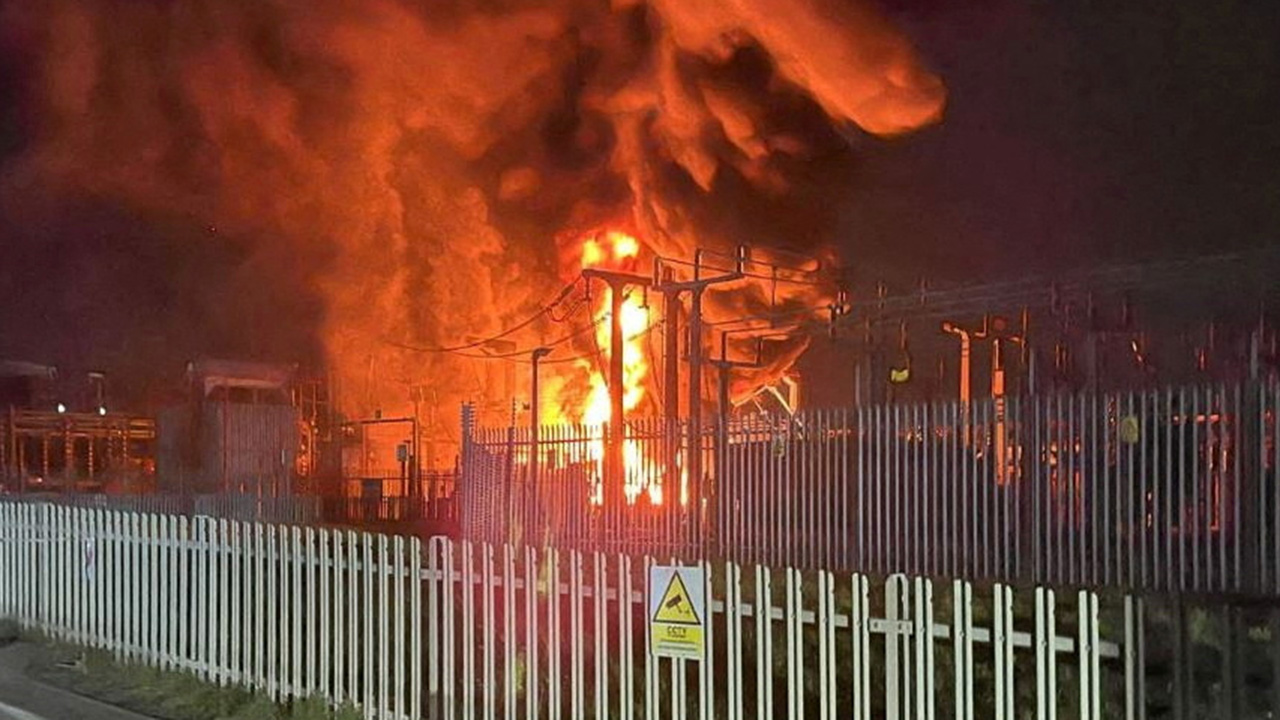
Iranian missile and drone strikes hit the UAE over the weekend, causing damage to Dubai International Airport, Jebel Ali Port, and civilian infrastructure across the city. Emirates Airlines extended its flight suspension through Wednesday night. Etihad halted operations until Thursday. More than 21,300 flights have been cancelled across seven major Gulf airports since the strikes began, according to Flightradar24 (for our broader coverage of how the Iran conflict is reshaping global markets, see here).
Why gold depends on passenger planes
Precious metals move in the cargo holds of commercial passenger aircraft, not on dedicated freighters. The high value-to-weight ratio makes air transport cost-effective — a single pallet can carry millions of dollars in bullion — but it also means that when passenger flights stop, gold stops too. Road transport is not a viable alternative: moving high-value cargo overland across the Gulf is considered too risky by insurers and logistics firms.
Representatives from several trading and logistics companies confirmed that metal shipments to and from Dubai have been paused indefinitely. One trader described Monday as a day spent scrambling to reroute consignments that had been due to transit through the emirate. The problem is that there is nowhere obvious to reroute to — Dubai’s infrastructure, refining capacity, and established custody chains make it effectively irreplaceable at short notice (our analysis of European supply chain pressures under the Iran conflict provides further context).
The price impact
Gold premiums in Saudi Arabia rose significantly on Monday, an early indicator of tightening physical supply. If the disruption persists, traders expect premiums to widen further across India and other Asian markets that source heavily from Dubai. India alone accounts for a substantial share of global gold demand, and its refiners and jewellers rely on a steady pipeline through the UAE.
Spot gold rose 1.7% to $5,277 per ounce on Friday before the full scale of flight cancellations was clear, and climbed further to $5,170 on Wednesday. Silver also gained, jumping nearly 3%. The financial flows through London, New York, Shanghai, and Zurich remain operational — but the physical market, where actual bars change hands and cross borders, is under acute stress (see our piece on why investors are turning to gold as a safe haven from the Iran war).
The situation echoes the early days of the pandemic in 2020, when travel restrictions severed the link between London and New York and created unprecedented arbitrage opportunities. Banks with physical inventory in the right locations — notably JPMorgan — were able to profit from the dislocation. The same dynamic is now playing out, with institutions that hold metal outside the Gulf gaining a temporary pricing advantage (our coverage of how European markets have tumbled as energy prices double explores the wider selloff).
What happens next
Duration is everything. If flights resume within days and the conflict de-escalates, the disruption will be a footnote — a brief spike in premiums that normalises quickly. But if Gulf airspace remains restricted for weeks, the consequences compound. Traders unable to fulfil physical delivery obligations may be forced into cash settlements, distorting pricing mechanisms. Central banks and institutional holders maintain inventory buffers, but these are designed for short interruptions, not a prolonged shutdown of the world’s busiest bullion corridor.
Maersk has also halted trans-Suez sailings and rerouted vessels around the Cape of Good Hope, adding further pressure to global commodity logistics. Qatar — another significant player in precious metals flows — has halted LNG production and faces its own disruption. The bottleneck is not just Dubai; it is the entire Gulf transit infrastructure (for the macro implications, see our piece on eurozone inflation and the energy shock ahead).
The gold market entered this crisis already volatile, having pulled back sharply from its January record high above $5,594. The Dubai shutdown may not push prices back to those peaks immediately — but it removes the physical supply that would normally cap any rally. If the pipeline stays broken, the price ceiling goes with it.
FAQ
Why is Dubai so important for global gold flows?
Dubai accounts for approximately 20% of global gold trade, serving as both a refining centre for African-mined bullion and a transit hub for shipments moving between Europe and Asia. The emirate’s established infrastructure — secure storage, certified logistics, and banking relationships — makes it difficult to replace at short notice. Gold is primarily transported in the cargo holds of commercial passenger aircraft, so when flights are grounded, physical bullion flows effectively stop.
How long could the Dubai gold disruption last?
The duration depends on the Iran conflict and when Gulf airspace reopens to normal commercial traffic. Emirates Airlines has suspended flights through Wednesday night; Etihad through Thursday. If the conflict remains contained and flights resume within days, the impact will be limited to temporary premium spikes in Asian markets. A prolonged shutdown of weeks or more could force traders into cash settlements, widen regional price dislocations, and strain central bank and institutional inventory buffers designed only for short-term disruptions.
The post Dubai’s Gold Pipeline Is Broken: How the Iran War Is Disrupting 20% of Global Bullion Flows appeared first on European Business & Finance Magazine.