

























Dollar Slips After Trump Pauses Hormuz Operation — All Eyes on Friday’s Jobs Report
EBM Newsdesk Analysis
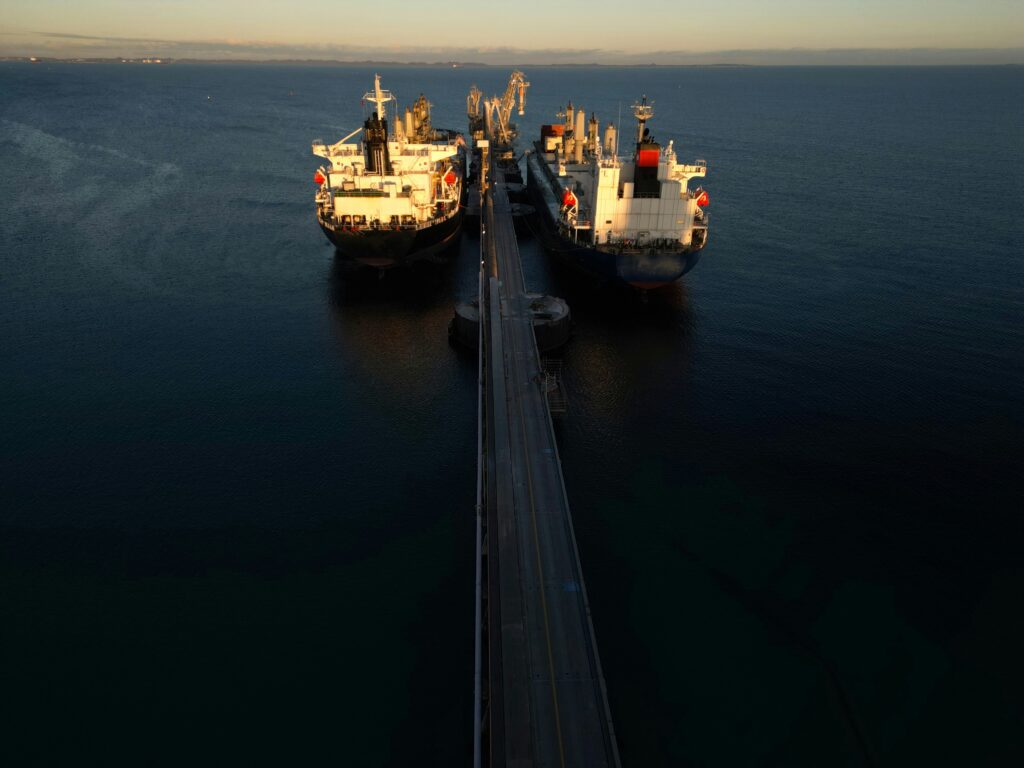
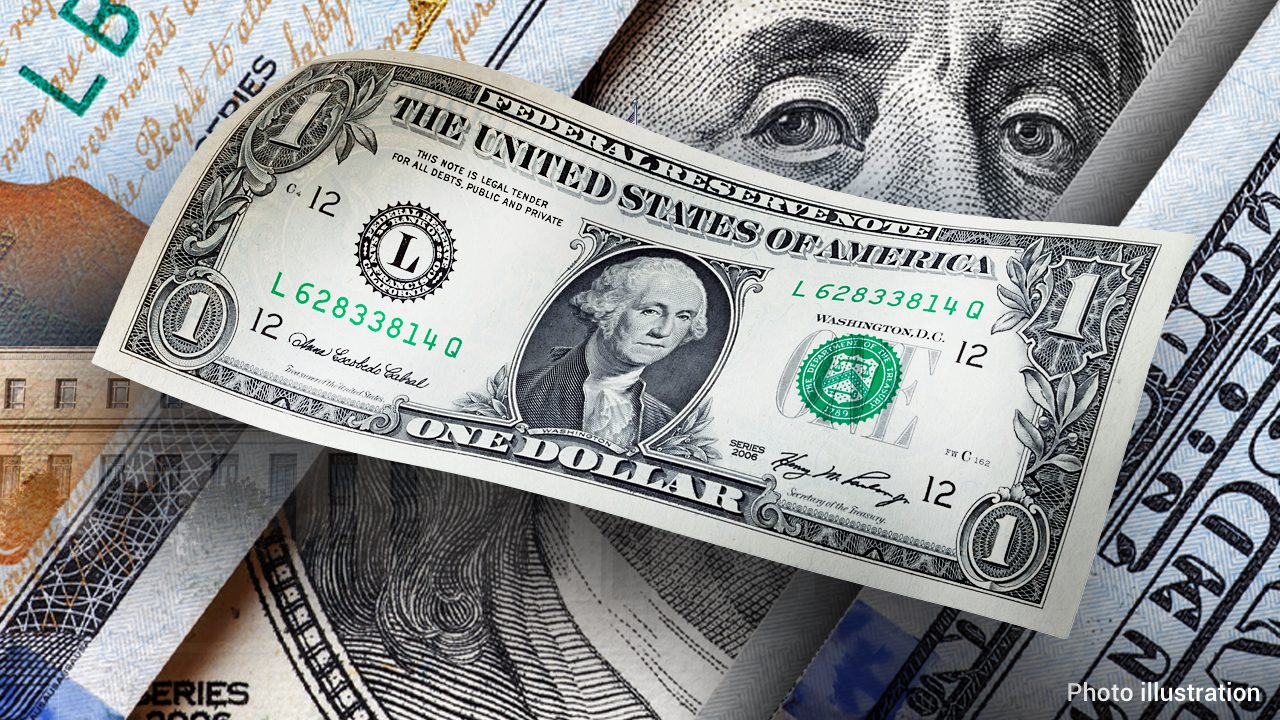
LONDON, May 6 — The dollar index slipped on Wednesday morning after President Donald Trump announced the pause of Project Freedom — the US naval operation launched at the weekend to escort commercial shipping through the Strait of Hormuz — only one day after it began. Secretary of State Marco Rubio went further at a White House briefing on Tuesday, declaring that Operation Epic Fury, the broader US-Israel military campaign launched against Iran in February, was “over.” The US has now shifted to a defensive posture, with Rubio confirming “no shooting unless we’re shot at first.” The Hormuz blockade itself remains in place, but the prospect of further offensive escalation has materially receded — and the safe-haven bid that has supported the dollar since the warship strike on Monday has begun to unwind.
The market read is straightforward but conditional. If Trump’s pause holds, oil eases, Treasury yields drift lower, and the dollar’s recent strength fades. If Iran’s IRGC tests the new defensive posture — and Tuesday’s continued attacks on UAE air defences and the strike on a French commercial vessel suggest it might — the entire de-escalation trade reverses within a single trading session. The Friday non-farm payrolls release becomes the swing factor in either scenario, and traders have shifted from positioning around geopolitical headlines to positioning around US labour data within 48 hours.
The dollar’s Wednesday slip is a small move with a large amount of geopolitical uncertainty priced into it. Both directions are now possible.
What Trump and Rubio Actually Said
Trump’s Truth Social post on Tuesday paused Project Freedom on the grounds that “Great Progress has been made toward a Complete and Final Agreement” with Iran. The pause is explicitly conditional — “for a short period of time to see whether or not the Agreement can be finalized and signed.” It is not a permanent reversal, and the Hormuz blockade imposed on April 13 remains active. CENTCOM is still operating in the strait with the destroyers, aircraft and 15,000 personnel deployed for Project Freedom, but offensive escort operations have stopped.
Rubio’s framing was more decisive. Operation Epic Fury — the two-month bombing and missile campaign against Iranian nuclear and military infrastructure — is finished. The US has notified Congress that hostilities have been “terminated” as the 60-day War Powers threshold approached, which would have required formal legislative authorisation. The shift to a defensive posture is, in legal terms, a way of avoiding that vote.
For markets, the distinction matters less than the direction. The risk of a US-Iran shooting war intensifying further has dropped sharply. The risk that the Hormuz reopens quickly has not.
Why the Dollar Slipped — and Why the Move Is Small
Three forces are pulling on the dollar simultaneously.
Geopolitical de-escalation has reduced the safe-haven bid that supported the dollar through the past three weeks. Oil prices have eased, which removes some of the imported-inflation risk that had pushed Treasury yields higher and the dollar with them. And Japanese government intervention to support the yen, which had begun in late April, has continued — a structural counterweight to dollar strength against Asian currencies.
Against those three doves sits one hawk. US economic data released this week has been mixed but firm enough to keep the Federal Reserve in no hurry to cut rates. JOLTS job openings declined in March but came in slightly above expectations, suggesting labour demand is cooling but not collapsing. The ISM Services PMI eased modestly and printed just below forecasts, pointing to moderation rather than contraction. Neither print justifies an emergency rate cut, but neither justifies further hikes either.
The result is a dollar drifting lower without conviction. Traders are taking profit on the geopolitical-premium trade and waiting for Friday.
The Friday Test
Today’s ADP private payrolls report serves as the warm-up. Friday’s non-farm payrolls release is the genuine test. The consensus is for around 130,000 jobs added in April with unemployment unchanged at 4.2 per cent. A material miss in either direction reshapes the rates curve, and the dollar with it.
A weak print — payrolls below 100,000 or unemployment ticking up to 4.3 per cent — would compound the de-escalation trade and push the dollar materially lower. The Fed would have political cover to begin cutting in June rather than September. A strong print — payrolls above 175,000, wage growth above 4 per cent — would reverse the dollar’s slip and force traders to price out the rate-cut path entirely. The latter scenario also cushions Treasury yields and supports the dollar against Bund yields that have moved higher this week on Iran-related inflation fears.
What This Means for European Business
For European corporate treasurers, the Wednesday dollar move is a reminder that the geopolitical risk-on trade has not yet stabilised. Three things matter for the next 72 hours.
The dollar’s path through Friday will set the tone for euro-dollar hedging into June. The peace-deal trajectory that Polymarket has now priced at 54 per cent for December 31 is the dovish scenario for the dollar. If that pricing holds, EUR/USD has further upside to run.
Energy-cost relief depends not on the offensive-operations pause but on the Hormuz blockade itself ending, which has not happened. Brent at $114 has eased slightly, but the structural supply pressure remains in place.
And the broader euro-area inflation outlook depends on the same question. If Iran de-escalation holds and oil returns to the $90s, the ECB’s anxious hold of last week becomes a hawkish hold, and June rate-cut expectations evaporate. If it does not, the recession scenario the Bank of Greece’s Yannis Stournaras warned about last week becomes the central case.
The next test arrives Friday at 13:30 BST. Markets are pricing two binary outcomes. They cannot price both at once, and the resolution will move every major currency, bond and energy contract within minutes.
Related Analysis
- Iran Just Attacked a US Warship in Hormuz — and Declared Control Over the World’s Oil Chokepoint
- Britain’s Borrowing Costs Just Hit Crisis Levels — Iran War, BoE Standoff and an Election From Hell
- What Polymarket’s $3.9bn Crowd Is Actually Betting On Right Now
The post Dollar Slips After Trump Pauses Hormuz Operation — All Eyes on Friday’s Jobs Report appeared first on European Business Magazine.