





















Denmark sees loans from Russian funds as the best solution for Ukraine
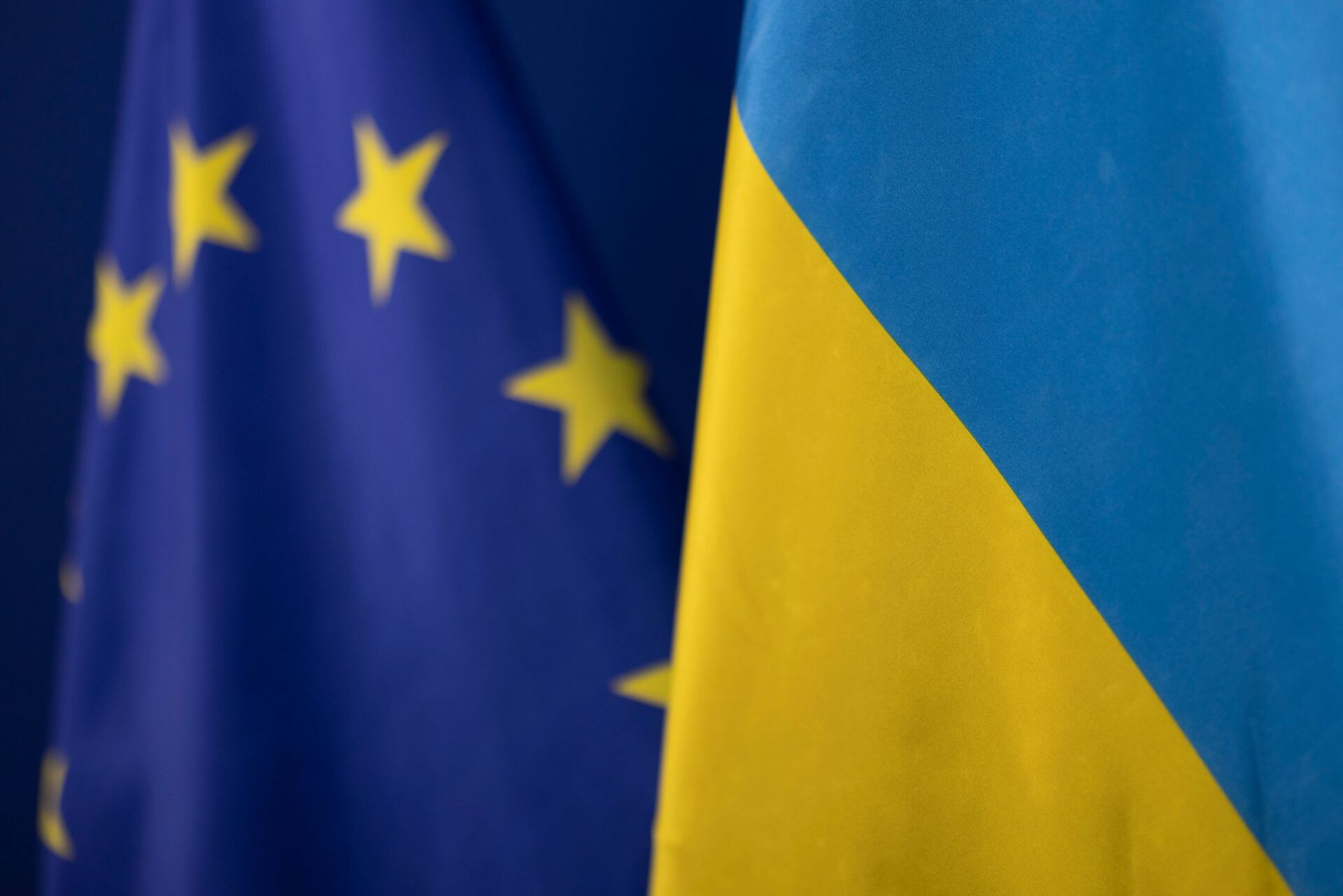
The countdown is underway before the heads of state and government of the EU countries at next week’s summit in Brussels must decide how to finance Ukraine over the next two years.
Here, a “replacement loan” from the frozen Russian funds would be the best solution.
So says Minister of Economic Affairs Stephanie Lose (V), ahead of the EU countries on Friday being expected to formally approve a long-term freezing of the Russian funds by qualified majority.
– It is not an option to do nothing. We must do something to help Ukraine.
– There is no perfect solution, so we have to choose the solution that best fits the current situation. We believe that is the replacement loan, says Stephanie Lose.
She points out that the budgets and debt of the EU countries will not be burdened if it succeeds in sending the Russian funds to Ukraine as a “loan”.
The idea is that Russia must then, in a peace agreement, pay Ukraine compensation for the massive destruction during the war.
Ukraine must then use that money to pay Russia back for the replacement loan.
But it is not certain that Russia will agree to pay compensation in a peace agreement that may be negotiated by the president of the United States, Donald Trump.
Therefore, Belgium has asked all EU countries to guarantee the loan. That means that taxpayers in the individual EU countries may in the end be stuck with the loan if Ukraine cannot pay it back.
– There are still concerns among some countries, but hopefully we can pave the way for a decision at next week’s summit, says Stephanie Lose.
The first step may be taken on Friday, when the EU countries, via a written procedure, are expected to approve that the Russian funds will henceforth be frozen in the long term.
According to the preliminary agreement, this must happen by qualified majority. Thus, Hungary will no longer, as it does today every six months, have the opportunity to lift the freezing of the funds.
The hope is that this can help convince Belgium to allow the replacement loan.
Belgium is central to the issue because the majority of the funds – 140 billion euros – are frozen in the securities depository Euroclear in Brussels.
The heads of state and government theoretically have the option of adopting the loan by qualified majority without Belgium.
But in reality they want Belgium’s support in order to avoid a conflict over the enormous amount, which corresponds to more than 1000 billion kroner.
The alternatives to the replacement loan are a joint EU loan of 45 billion euros based on the EU budget. But that must be adopted unanimously, and here Hungary is expected to block.
The last option is for a group of countries to join forces to donate the money to Ukraine themselves.
But that will probably again mean that Denmark, Germany and a number of Eastern European countries will have to bear the burden, while countries such as Spain and Italy duck.
That is also one of the reasons why the replacement loan is the best solution, believes Stephanie Lose.
– It is important that Europe solves this together. There are EU countries that have supported Ukraine far more than other EU countries, but this is a shared European responsibility.
– So we must create a solution in which all EU countries take responsibility, says Stephanie Lose.