



























Cuba Just Ran Out of Jet Fuel—Why Airlines Are Forced to Stop Flying
Airlines forced to suspend services as Trump’s tariff threats cut off Caribbean island’s petroleum supply lines, creating humanitarian emergency.
QUICK ANSWER
What’s happening? Cuba has officially run out of jet fuel, forcing airlines to suspend refueling services at nine airports including Havana from February 10-March 11, 2026. The crisis stems from Trump’s executive order threatening tariffs on any country selling oil to Cuba, which immediately prompted Mexico to halt shipments and followed the US military operation that deposed Venezuelan President Nicolás Maduro. Air Canada suspended flights while other carriers must now refuel elsewhere, adding massive operational costs and complexity to Caribbean routes crucial for Cuba’s tourism economy.
Trump’s Tariff Ultimatum Triggers Fuel Emergency
President Trump’s escalation of pressure against Cuba reached a critical breaking point this week as the Caribbean island officially declared it cannot provide jet fuel to international airlines. The crisis represents the most severe disruption to Cuban aviation since the 1990s “Special Period” following the Soviet Union’s collapse.
The immediate trigger came from Trump’s late January executive order imposing tariffs on any goods from countries that sell or provide oil to Cuba. The threat proved devastatingly effective—Mexico, which supplied 44% of Cuba’s oil imports, immediately halted shipments to avoid potential US retaliation. Venezuela, previously providing 33% of Cuban fuel needs, had already been cut off following the US military operation that removed President Nicolás Maduro from power.
This weaponization of trade policy reflects broader geopolitical tensions reshaping global commerce, as major powers increasingly use economic leverage to achieve political objectives. The Cuban blockade represents the most extreme application of secondary sanctions, effectively forcing third countries to choose between Cuban trade and US market access.
Aviation Industry Faces Operational Nightmare
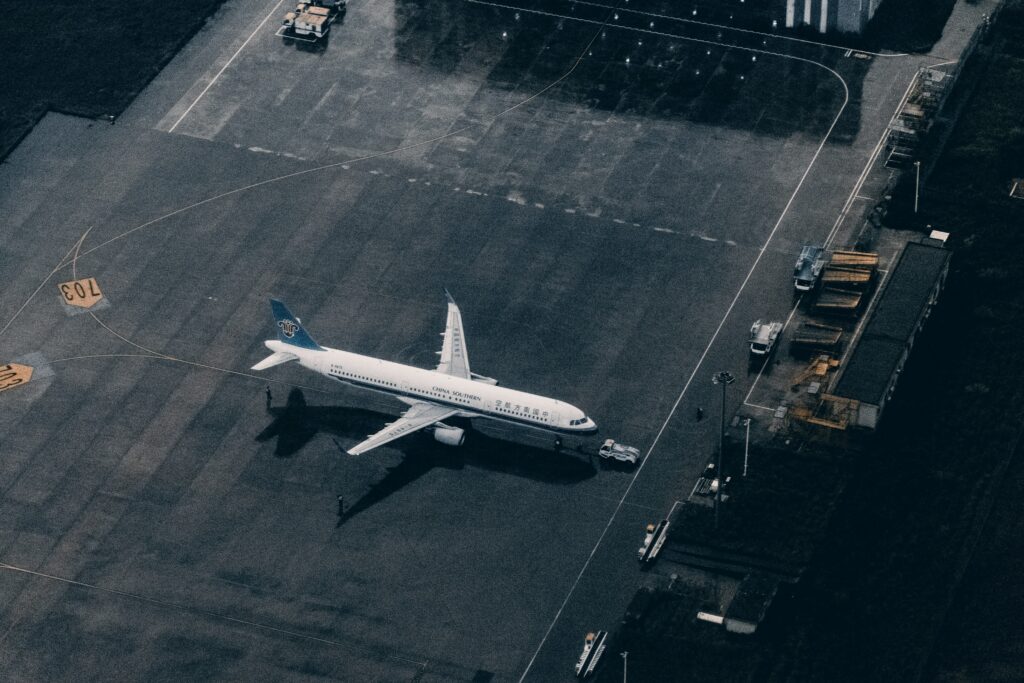
The fuel shortage has created unprecedented operational challenges for airlines serving Caribbean routes. Cuban aviation authorities issued notices to airlines and pilots on Sunday night, warning that jet fuel won’t be available at nine airports across the island, including José Martí International Airport in Havana.
Air Canada became the first major carrier to suspend operations, announcing it would operate empty southbound flights to retrieve approximately 3,000 stranded customers. The airline cited lack of “guaranteed fuel supply” as the determining factor, highlighting how fuel uncertainty creates liability issues for international carriers.
Other airlines face difficult operational choices: carry maximum fuel loads from departure points, add expensive refueling stops in Nassau, Cancún, or the Dominican Republic, or suspend services entirely. These additional costs could make Cuban routes economically unviable for many carriers, particularly affecting European airlines already struggling with post-pandemic recovery.
Long-haul routes from Russia and Canada—critical pillars of Cuba’s tourism economy—face the greatest disruption. The additional fuel stops add hours to flight times and thousands of dollars in operational costs per flight, expenses that must ultimately be passed to passengers or absorbed by airlines already operating on thin margins.
Economic Siege Deepens Beyond Aviation
The jet fuel crisis represents just one component of a comprehensive energy emergency engulfing Cuba. The island now faces power outages lasting up to 10 hours daily, forcing the government to implement emergency rationing measures unprecedented since the Soviet era.
Cuban officials announced a shift to four-day work weeks, reduced provincial transportation, shortened school days, and closure of non-essential tourism facilities. Deputy Prime Minister Oscar Pérez-Oliva Fraga told state television that fuel would be reserved for “essential services and indispensable economic activities.”
According to data company Kpler, Cuba entered February with only 15-20 days of oil reserves at current consumption levels. This petroleum shortage threatens the island’s electricity grid, which depends heavily on fuel-powered generation plants. The cascading effects impact hospitals, schools, and basic infrastructure, creating what Russia’s Kremlin spokesperson Dmitry Peskov described as a “truly critical” situation.
The crisis mirrors broader challenges facing emerging market economies navigating great power competition, as smaller nations become vulnerable to economic warfare between major powers.
International Response and Diplomatic Fallout
Russia, Cuba’s remaining major ally, strongly condemned US pressure tactics while maintaining diplomatic support. Kremlin officials described America’s “stranglehold” as causing numerous difficulties for the Cuban people, though concrete assistance remains limited given Russia’s own constraints from Ukraine war sanctions.
Mexico’s President Claudia Sheinbaum blasted the US measures as “very unfair,” arguing that “sanctions that harm the people are not right.” Despite facing potential US retaliation, Sheinbaum pledged continued support for Cuba and promised to pursue “all necessary diplomatic actions to restore oil shipments.”
The Cuban government, led by President Miguel Díaz-Canel, maintains willingness to negotiate with Washington but refuses to discuss constitutional changes or governmental structure. Foreign Minister Bruno Rodríguez condemned what he termed “cruel aggression” aimed at “breaking the political will of the Cuban people.”
This diplomatic standoff reflects wider tensions over trade sovereignty and economic independence that are reshaping international commercial relationships across multiple sectors.
Tourism Industry Faces Collapse
Cuba’s tourism sector, already devastated by pandemic impacts, faces potential collapse as transportation accessibility plummets. The island depends heavily on international visitors, particularly from Canada, Europe, and Latin America, to generate foreign currency essential for basic imports.
The jet fuel crisis creates a death spiral for Cuban tourism: reduced flight accessibility decreases visitor numbers, lowering foreign currency earnings needed to purchase fuel and maintain infrastructure. This economic contraction could accelerate the humanitarian crisis, as Cuba struggles to import food, medicine, and basic necessities.
European tour operators and cruise lines are reassessing Caribbean itineraries, potentially redirecting business to other destinations with reliable transportation infrastructure. This shift could permanently alter regional tourism patterns across the Caribbean basin.
Strategic Implications for Global Aviation
Cuba’s aviation crisis highlights the vulnerability of international transportation networks to geopolitical disruption. The precedent of using fuel access as a diplomatic weapon could encourage similar tactics in other conflicts, potentially affecting global aviation connectivity.
Airlines are being forced to develop contingency planning for politically motivated fuel disruptions, adding complexity and cost to international route planning. Insurance companies may begin factoring geopolitical risk into aviation policies, potentially increasing operational costs across the industry.
The crisis demonstrates how modern economic warfare can rapidly disrupt essential infrastructure, creating humanitarian consequences that extend far beyond political targets. As great power competition intensifies, aviation networks may become increasingly vulnerable to similar disruptions, fundamentally altering the economics of international air travel.
The Cuban fuel crisis thus represents more than a regional political dispute—it signals the emergence of a new era where essential infrastructure becomes weaponized in international conflicts.
The post Cuba Just Ran Out of Jet Fuel—Why Airlines Are Forced to Stop Flying appeared first on European Business & Finance Magazine.