


























Could Oil Hit $100? Hormuz Is Closed and Trump’s Clock Is Ticking

Oil prices gapped higher at today’s opening by more than 11% for both WTI and Brent crude, though they later retreated by roughly four percentage points. A volatile mix of extreme anxiety over Middle Eastern energy supply chains and guarded optimism that the conflict cannot be sustained much longer is shaping the market’s trajectory.
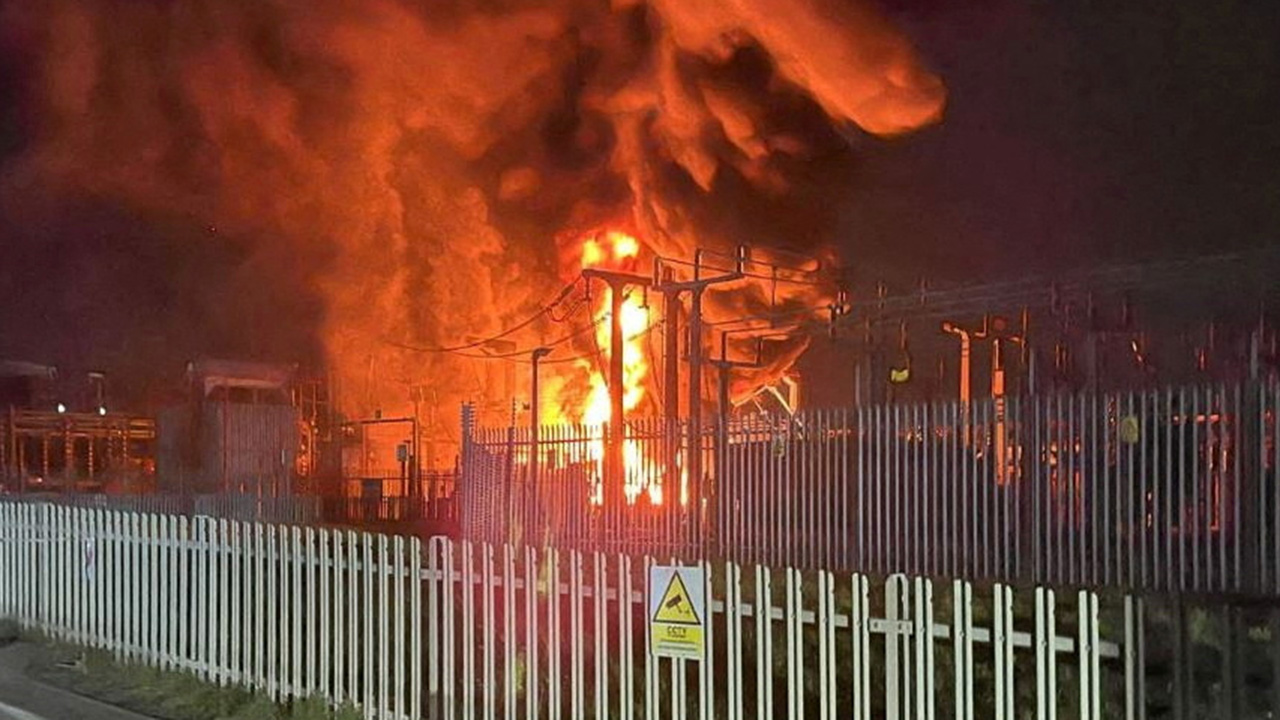
Market fears have become physical reality. The Strait of Hormuz — which handles approximately 20% of global crude shipments — is effectively closed. The Islamic Revolutionary Guard Corps has warned vessels against crossing the waterway and confirmed strikes on three tankers in the region. Energy infrastructure has moved directly into the crosshairs. Reuters reports that Aramco’s Ras Tanura refinery in Saudi Arabia was shut down as a precautionary measure following a drone attack, while falling shrapnel from Iranian strikes injured two workers at Kuwait’s Al-Ahmadi refinery.
Even in a historically oversupplied market, such severe physical disturbances are difficult to absorb, potentially pushing crude toward $90 a barrel — territory that would add roughly 0.6–0.7 percentage points to global inflation and force central banks to shelve rate-cut plans indefinitely.
The duration and cost of this war will be determined by specific logistical constraints. According to the Wall Street Journal, the US is rapidly depleting its magazine depth of interceptors and cruise missiles, consuming precision munitions faster than production lines can replace them. Military analysts warn that exhausting THAAD and Patriot stocks could compromise American deterrence at other global flashpoints, effectively placing a countdown on the current campaign.
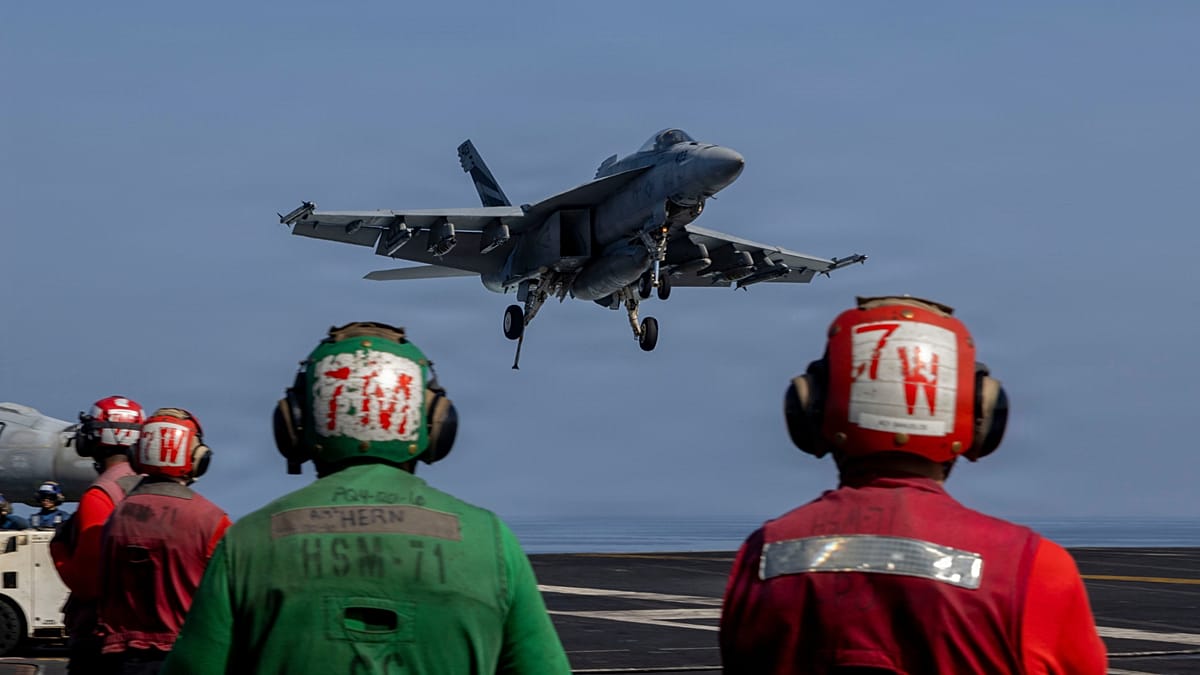
Strategic readiness is further strained by the USS Gerald R. Ford, which has spent more than 250 consecutive days at sea — far exceeding the standard seven-month Navy deployment window. The carrier risks significant “readiness debt” from delayed maintenance and crew exhaustion, making its continued presence a strategic gamble.
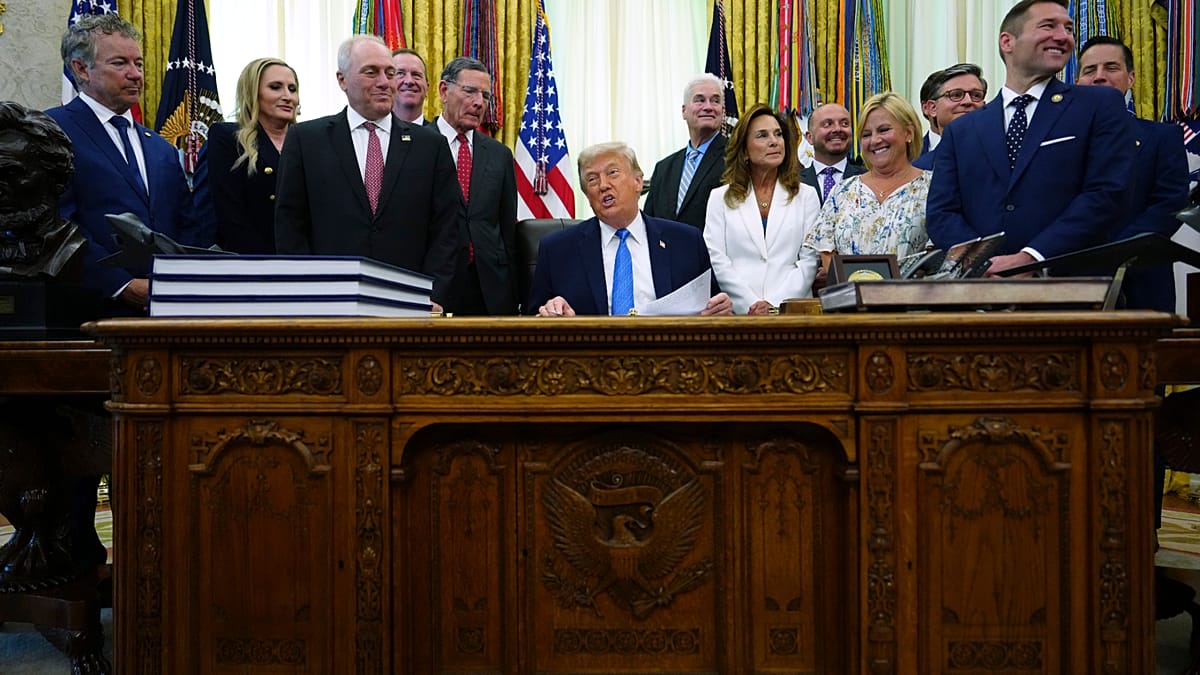
These constraints likely set a hard deadline for Trump to resolve the conflict in coming days. While a non-stop aerial campaign over Iran aims to suppress missile launches, the President is incentivised to avoid a prolonged energy-driven inflation wave. A spike in US pump prices would necessitate a higher-for-longer interest rate environment — precisely the outcome he wants to avoid ahead of November’s midterm elections.
If a new red line is crossed — specifically the targeting of Iranian production and export facilities — we enter a much darker phase. In that scenario, $100 a barrel becomes the floor as the IRGC would almost certainly retaliate against GCC energy infrastructure with greater intensity. The geopolitical risk premium already reshaping European markets would escalate from a pricing adjustment to a structural shock. The worst case remains a massive oil leak within the strait, halting navigation for months and forcing a global economic reckoning.
The market is currently betting on a swift resolution, but the margin for error is razor-thin as physical infrastructure burns. If the administration cannot secure a ceasefire before the next wave of refinery strikes, the inflation tax on the American consumer becomes a political and economic reality that even record European defence spending cannot offset.
Frequently Asked Questions
How high could oil go if Iranian export facilities are hit directly? Analysts model $100 a barrel as the minimum in a scenario where Iranian production infrastructure is targeted and the IRGC retaliates against Gulf state refineries. Goldman Sachs has projected $120–150 in a full-scale prolonged war. The critical variable is not the initial strike but the retaliatory cycle — each escalation compresses the window for diplomacy and widens the supply gap. If Ras Tanura or other major Saudi processing facilities sustain serious damage, prices could overshoot even the most bearish forecasts because there is no spare refining capacity outside the Gulf to compensate.
Why does the US military’s missile supply set a deadline on this war? The US is consuming interceptors and cruise missiles faster than it can manufacture replacements. THAAD and Patriot systems — critical for defending both American bases and allied Gulf states — have finite stockpiles that cannot be replenished in weeks. Once magazine depth drops below the threshold needed to maintain credible deterrence against other threats, particularly in the Indo-Pacific, the Pentagon faces a strategic choice: continue the Iran campaign at the expense of readiness elsewhere, or wind down operations. This logistical ceiling, combined with the Ford carrier group’s maintenance debt after 250+ days at sea, creates a practical time limit regardless of political will.
The post Could Oil Hit $100? Hormuz Is Closed and Trump’s Clock Is Ticking appeared first on European Business & Finance Magazine.