








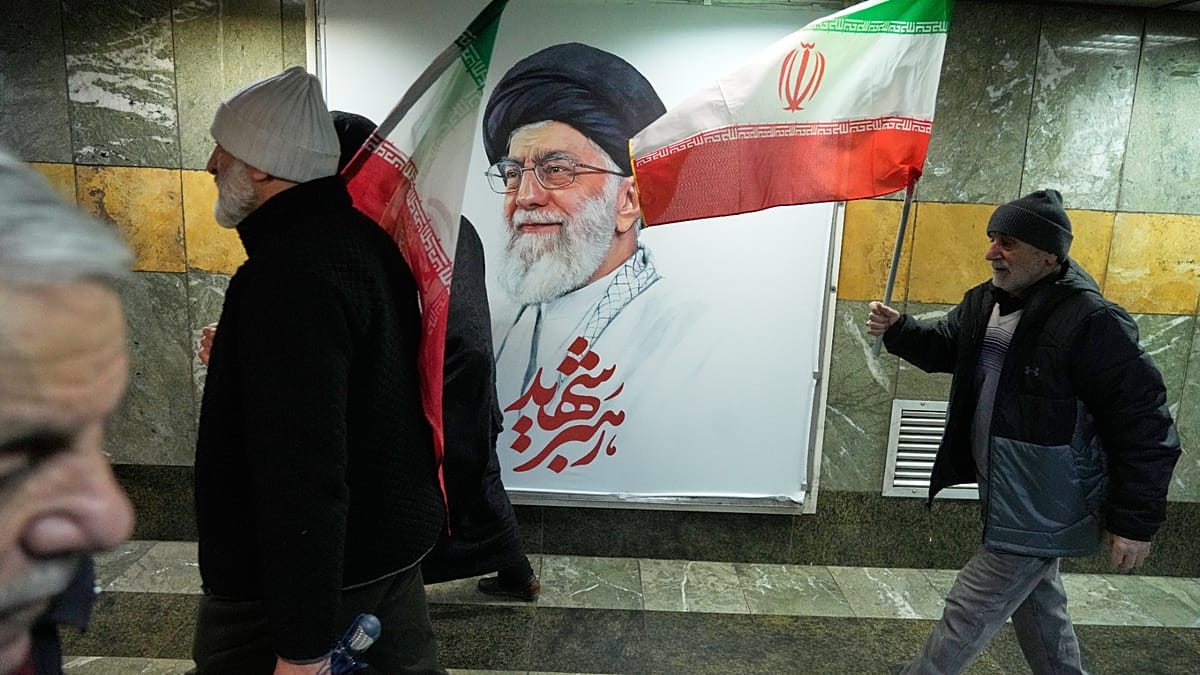











Could EUR/USD Hit Parity Again? Why the Iran War Is Crushing the Euro
The eurozone’s energy nightmare is back. The dollar is surging. And the forward curves say it could get worse before it gets better.
EUR/USD is trading sideways after plunging to its lowest level since November, capping two days of sharp declines. The pair sat around $1.16 on Tuesday and the direction of travel is clear: unless the Middle East conflict de-escalates quickly, the euro faces further severe losses — with parity against the dollar no longer an extreme scenario.
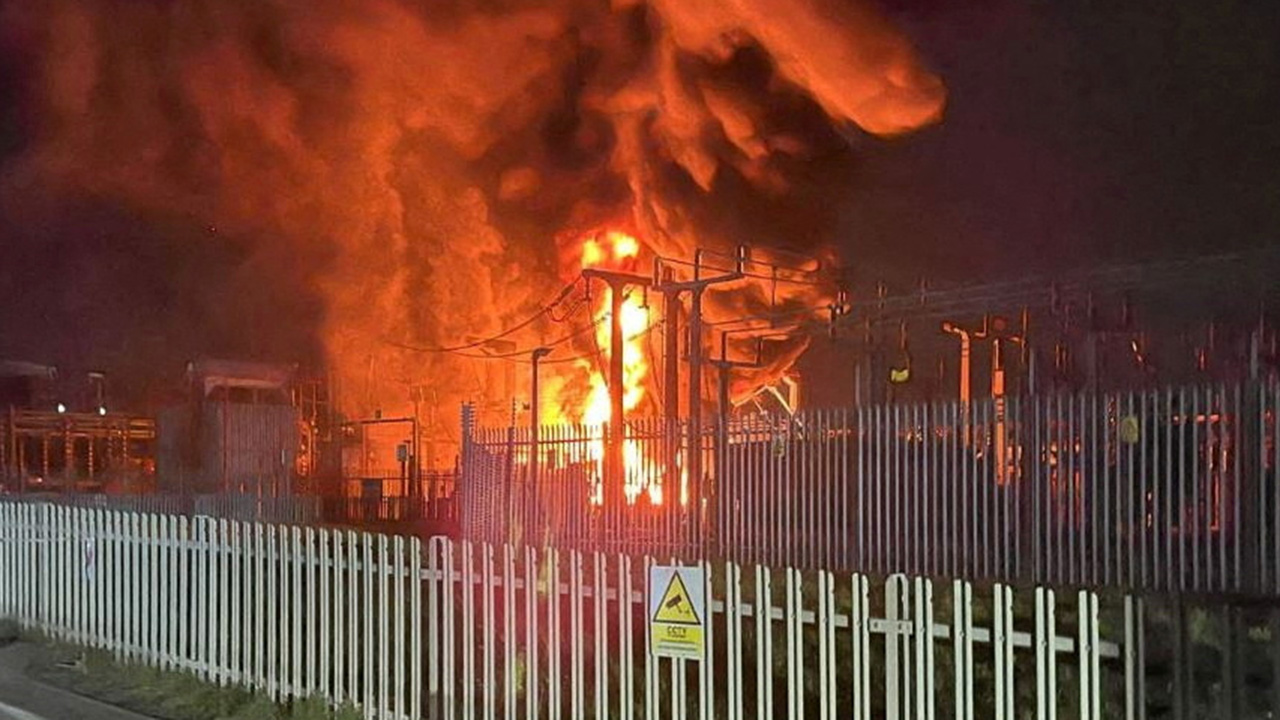
The mechanics are straightforward and brutal. The Strait of Hormuz is effectively closed. Energy infrastructure across the Gulf has been targeted. Oil and gas futures have surged — WTI crude hit its highest level since 2023, while Dutch TTF natural gas futures nearly doubled from Friday’s close. For a eurozone economy that never fully recovered from the 2022 energy shock, this is a direct hit to the same wound (our coverage of how European markets have tumbled as energy prices double explains the equity side of the selloff).
The inflation problem was already building
Eurozone inflation rose unexpectedly to 1.9% in February — before a single bomb fell on Iran. Services inflation climbed to 3.4%. Core inflation accelerated to 2.4%. The ECB had been calling its policy stance a “good place,” with rates held at 2% for five consecutive meetings. That complacency now looks dangerously misplaced (see our full analysis of the February inflation surprise and what it means for the ECB).
The energy shock compounds an already sticky inflation picture. Gas storage levels are low. Qatari energy infrastructure — responsible for 15% of European LNG imports — has been attacked. If oil stays elevated and gas markets tighten through spring, headline inflation will breach 2% and keep climbing, forcing the ECB into a hawkish shift it had no intention of making.
Eurozone government bond yields are already rising in anticipation, dampening hopes for any further easing. The yield spread between US and German bonds is narrowing — which under normal circumstances would support the euro — but the broader macro picture overwhelms that technical signal.
Why the dollar keeps winning
The US economy has consistently demonstrated resilience under higher borrowing costs. The eurozone has not. Multiple surveys over the past two years — S&P Global PMIs, GfK Consumer Climate, ifo Business Climate, Sentix Investor Confidence — all tell the same story: rising inflation and higher rates caused activity across the European economy to contract. That structural weakness is now being stress-tested by an energy shock the continent cannot absorb.
The ICE BofAML MOVE index — the bond market’s volatility gauge — is still hovering near 2021 lows despite the recent spike. That signals significant investor confidence in the US Treasury market, which is fuelling rising yields and powering the dollar rally. With US rates likely to stay higher for longer as the Fed weighs the inflationary impact of surging oil, the interest rate differential continues to favour the greenback (our piece on how the Iran war is reshaping central bank policy across the Fed and ECB tracks this dynamic).
America is also a net energy exporter. Europe is not. That asymmetry was the defining feature of the 2022 currency move — and it is reasserting itself now with equal force (see our breakdown of how the euro responds to oil shocks).
Three scenarios from here
The bull case for the euro requires the US and its allies to suppress Iran’s missile and drone capabilities quickly, allowing energy markets to stabilise and the inflation narrative to fade. There is currently little evidence this will happen soon. Iran’s mountainous terrain and dispersed military infrastructure make air power alone insufficient. This scenario may take weeks to materialise — leaving room for further euro declines.
The base case involves a prolonged but contained conflict. Oil and gas markets eventually find a new equilibrium as higher prices incentivise producers elsewhere to increase supply. Forward curves for both TTF gas and crude oil futures support this reading — front-month contracts are trading at a significant premium over deferred expiries, suggesting the market expects prices to ease over time. In this scenario, the euro stabilises but does not recover meaningfully until the conflict ends.
The worst case involves severe, lasting damage to Gulf energy infrastructure that disrupts supply for months. Prices stay elevated. The eurozone tips into stagflation. The euro falls to parity with the dollar — or below it. This is not the consensus view, but it is no longer a tail risk (for the broader investment landscape, see our analysis of why investors are turning to gold as a safe haven).
The 2022 playbook is repeating: energy shock, inflation surge, ECB paralysis, euro decline. The only question is whether this chapter ends faster — or worse.
FAQ
Will the euro fall to parity with the dollar because of the Iran war?
Parity is possible but not yet the base case. The euro’s trajectory depends on the duration of the conflict and its impact on energy prices. If the Strait of Hormuz remains effectively closed and Gulf energy infrastructure suffers lasting damage, sustained high oil and gas prices could push eurozone inflation sharply higher, constrain ECB policy, and drive EUR/USD toward or below 1.00. A shorter conflict with contained energy disruption would likely see the euro stabilise around current levels before recovering.
How does the Iran war affect ECB interest rate decisions?
The ECB held rates at 2% through five consecutive meetings and had signalled comfort with its policy stance. However, surging oil and gas prices threaten to push eurozone inflation well above the 2% target, which could force a hawkish shift. Rising eurozone bond yields already reflect this expectation. ECB Chief Economist Philip Lane has warned that a prolonged conflict would produce a substantial spike in inflation and a sharp drop in output — a stagflationary combination that leaves the central bank with no easy options. The March 19 meeting, which includes updated staff projections, will be the first real test.
The post Could EUR/USD Hit Parity Again? Why the Iran War Is Crushing the Euro appeared first on European Business & Finance Magazine.