




















China Shock 2.0 Is Here — and This Time Europe Is in the Crosshairs


Brief Analysis
China Shock 2.0 refers to the second major wave of economic disruption caused by Chinese exports — but unlike the first shock of the early 2000s which devastated low-skilled manufacturing jobs, this wave targets high-technology industries including electric vehicles, solar panels, batteries, robots and semiconductors. Driven by massive domestic overcapacity, Chinese state subsidies and a collapse in domestic consumer demand, China’s manufacturers are flooding global markets with advanced goods at prices European competitors cannot match. Trump’s tariffs on Chinese imports have redirected much of this export surge away from America and directly toward Europe — making the continent the primary casualty of a crisis it did not create.
EBM Exclusive Take
The first China Shock cost the West its factories. The second threatens to cost it its future industries. Europe spent the past decade building an industrial strategy centred on electric vehicles, green energy and advanced manufacturing as the pillars of its economic renewal. China has now undercut every one of those pillars simultaneously — not through low wages but through state-directed overcapacity, subsidised production and a deliberate export offensive that European trade policy was not designed to resist. The political and economic consequences are only beginning to be understood.
What the First China Shock Actually Was
To understand why China Shock 2.0 is different, it is worth being precise about the first one. When China joined the World Trade Organisation in 2001, a surge of foreign direct investment transformed the country’s enormous supply of cheap labour into the manufacturing workshop of the world. Chinese-made consumer goods — toys, textiles, shoes, basic electronics — flooded Western markets at prices domestic producers could not compete with.
The consequences were severe and lasting. Across the United States, United Kingdom and Europe, manufacturing employment collapsed in the communities that had depended on it. At its peak, Chinese goods accounted for 22% of all US goods imports. The first China Shock kept consumer prices low — effectively acting as a deflationary force across Western economies — but it hollowed out the industrial base of entire regions and generated the political backlash that still shapes trade policy today.
The crucial point about China Shock 1.0 is what it was not about. It was not about advanced technology. China was assembling products designed and engineered elsewhere, capturing the low-value end of global supply chains while Western companies retained the high-value intellectual property, branding and design. That division of labour, uncomfortable as it was, left Western countries with a clear competitive advantage in the industries that actually mattered for future growth.
Why 2.0 Is Fundamentally Different
China Shock 2.0 has a completely different structure and a completely different target. This time the products flooding global markets are not cheap consumer goods — they are the high-technology sectors that Europe and America identified as the strategic industries of the future and invested billions trying to build.
Electric vehicles. Solar panels. Lithium-ion batteries. Industrial robots. Wind turbines. Semiconductors. These are not peripheral products. They are the core of every major Western industrial strategy of the past decade — and China has built extraordinary overcapacity in every single one of them simultaneously.
The mechanism driving this is domestic. China’s property market collapse has devastated household wealth and suppressed consumer spending. With domestic demand unable to absorb the enormous productive capacity that years of state-directed investment created, Chinese manufacturers have been forced to redirect their output to foreign markets. They are not exporting because foreign demand is strong — they are exporting because they have no choice.
The result is a flood of advanced goods at prices that reflect neither the true cost of production nor genuine market competition. State subsidies, cheap state-backed financing and the absence of the environmental and labour cost structures that burden European producers have given Chinese manufacturers a structural price advantage that European companies cannot replicate without abandoning the regulatory framework their own governments require them to operate within.
Nomura’s analysis of 45 countries across more than 5,000 product categories found firm evidence that countries experiencing large increases in Chinese import share were simultaneously experiencing the sharpest slowdowns in manufacturing growth. The correlation is not coincidental — it is causal.
Why Europe Is Being Hit Harder Than America
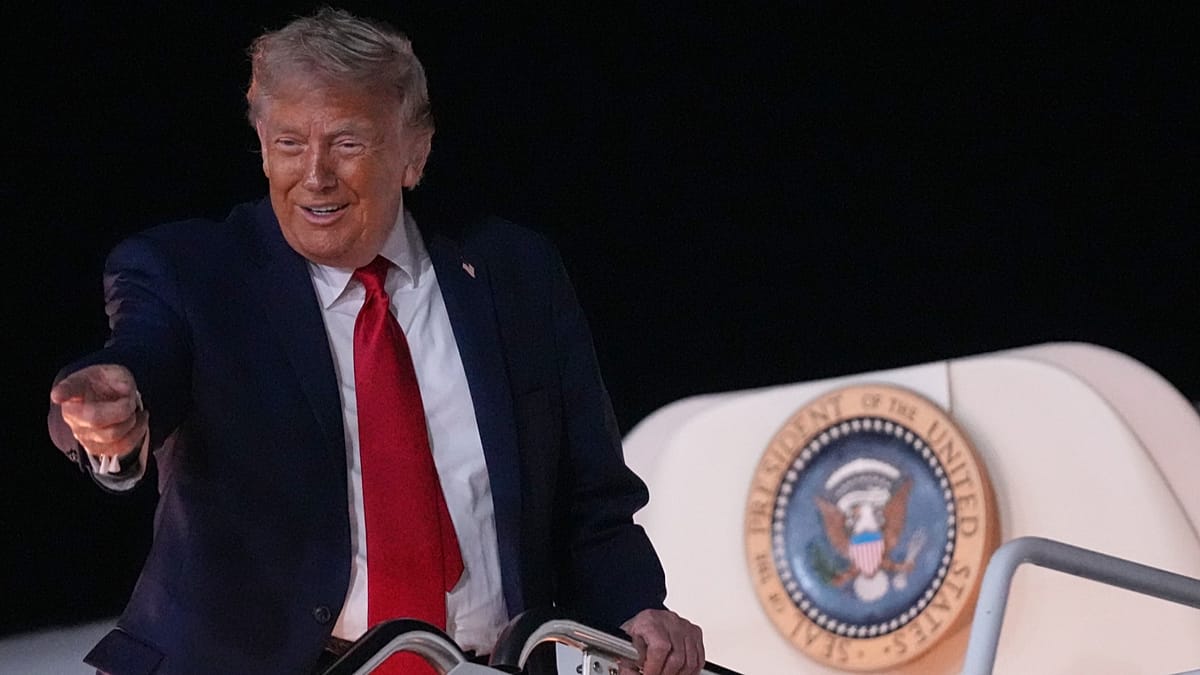
The Trump tariff factor is central to understanding why Europe is bearing a disproportionate share of China Shock 2.0. When the United States imposed sweeping tariffs on Chinese goods during Trump’s second term, it did not eliminate the Chinese export surplus — it redirected it. Chinese manufacturers and multinationals operating in China began routing exports through third countries to evade US tariffs, and simultaneously intensified their push into markets where American trade barriers did not apply.
Europe is the largest of those markets. It is open, wealthy, highly integrated and — until very recently — relatively unprotected against the specific type of competition China Shock 2.0 represents. The EU’s response has been to introduce tariffs on Chinese electric vehicles, with duties of up to 35% applied in late 2024. But the automotive sector is only one front in a much broader offensive.
European solar manufacturers have been effectively wiped out. Chinese solar panels now dominate the European market at prices that make domestic production economically irrational. European battery manufacturers are struggling to compete with Chinese giants like CATL, which benefit from scale, subsidies and supply chain integration that European competitors are years away from matching. German chemical and industrial companies — already under pressure from high energy costs driven by the Iran war — face an additional competitive squeeze from Chinese manufacturers whose energy costs remain far below European levels.
The political dimension compounds the economic one. European governments are simultaneously trying to meet climate targets that require the rapid deployment of cheap clean energy technology — which China produces most efficiently — and protect the industrial base that makes the deployment of that technology economically sustainable. Those two objectives are in direct tension and no European government has yet found a coherent way to resolve it.
What European Business Needs to Understand
China Shock 2.0 is not a temporary disruption that will resolve itself when Chinese domestic demand recovers. The overcapacity that is driving the export surge was built deliberately, with state support, over many years. It will not be unwound quickly even if Beijing wanted to unwind it — which the evidence suggests it does not.
For European companies in affected sectors the strategic choices are stark. Those that can differentiate on quality, software integration, brand or service — as premium German automakers are attempting to do — have a viable path forward. Those competing primarily on manufacturing cost in commoditised products face an existential challenge that no amount of EU trade policy can fully resolve.
The Peterson Institute for International Economics has warned that China’s booming trade surplus has much further to rise and will increasingly take sales away from producers across Europe and Asia. Already heightened trade tensions are likely to intensify even as the Iran war dominates the geopolitical headlines.
The first China Shock took a decade to fully understand. Europe cannot afford to take that long with the second one.
Related Analysis
The post China Shock 2.0 Is Here — and This Time Europe Is in the Crosshairs appeared first on European Business Magazine.