



























China Exports Soar 21.8% — A New Trade Shock for the Global Economy
China’s Export Machine Just Hit Its Highest Gear — and the World Isn’t Ready for What Comes Next
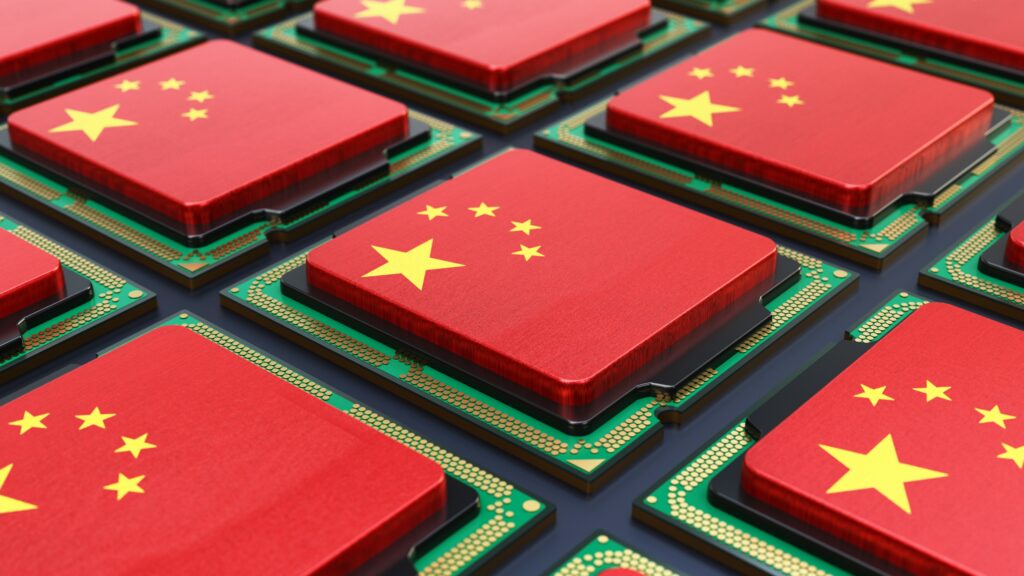
China’s export machine has delivered a number that nobody was expecting — and that everyone needs to pay attention to. Exports surged 21.8% in the first two months of 2026 compared to the same period last year, marking the strongest start to a calendar year in recent memory and a figure that will reverberate through trade ministries, central banks, and boardrooms from Washington to Brussels.
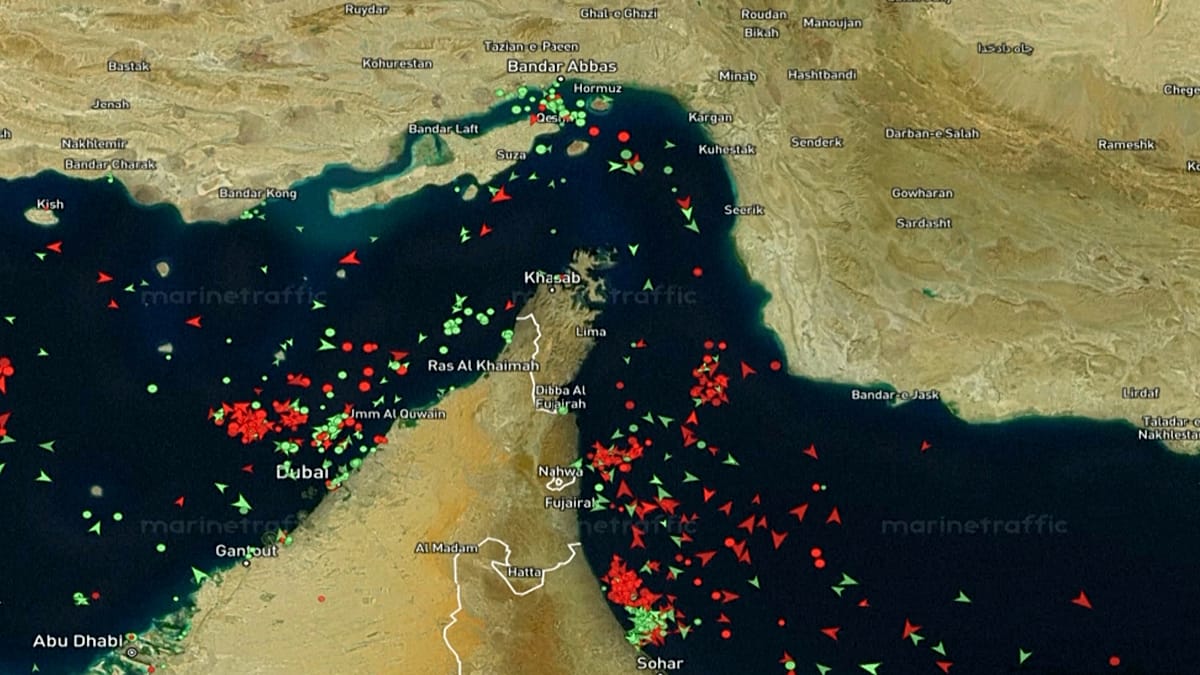
The timing is extraordinary. The world is navigating an active Middle East conflict, an oil price shock, rising inflation, and the most fraught trade environment since the early days of the Trump tariff wars. Into all of that, China has just announced that its export engine is running harder and faster than at almost any point in its recent history.
What Is Driving the Surge?
The 21.8% headline figure reflects several forces operating simultaneously. Front-loading is the most significant — Chinese exporters and their international buyers have been accelerating shipments aggressively ahead of anticipated tariff escalations from the United States and potentially the European Union. The playbook is familiar from the 2018-2019 trade war cycle: when tariffs are coming, you ship now and worry about the cost later. The global trade tensions that have been building between China, the US and the EU have created a powerful incentive to move goods before the rules change.
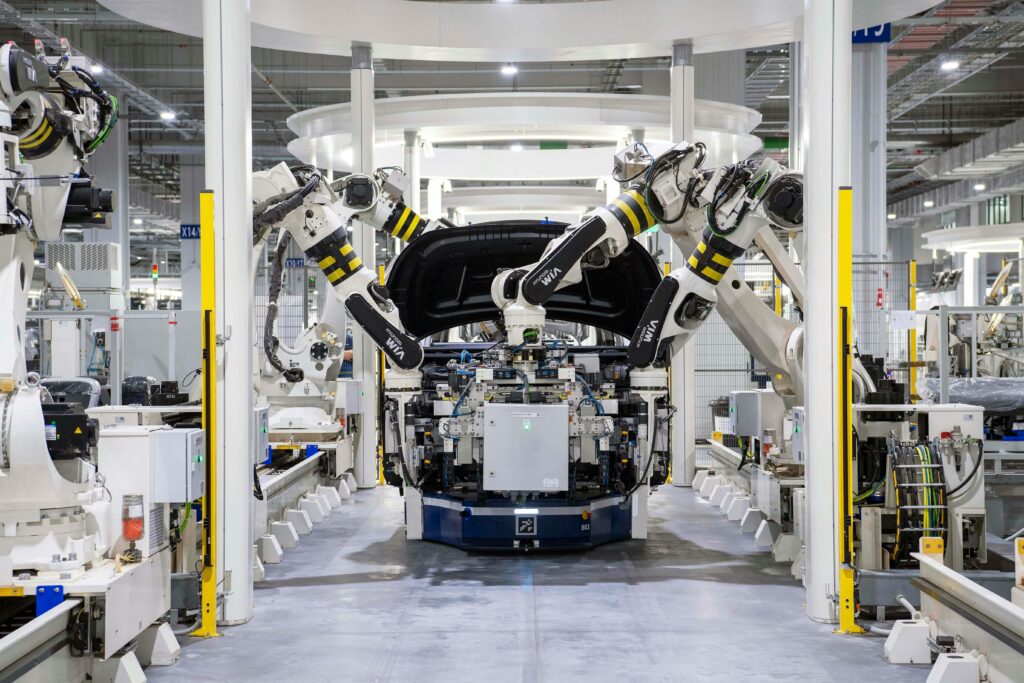
Manufacturing capacity is also a factor. China’s industrial base has continued expanding at a pace that comfortably exceeds domestic demand, meaning the surplus production must find export markets. Electric vehicles, solar panels, batteries, and consumer electronics — the sectors at the heart of Europe’s Industrial Accelerator Act and its “Made in Europe” content requirements — are all areas in which Chinese export volumes have grown dramatically and where the price differential with domestic European or American production remains substantial.
The Tariff Calculation
The surge puts significant political pressure on both Washington and Brussels. For the Trump administration, which has made confronting China’s trade practices a central policy priority, a 21.8% export jump is precisely the kind of number that accelerates tariff decisions rather than delaying them. The logic is simple: if Chinese exporters are front-loading ahead of expected tariffs, imposing those tariffs faster removes the incentive and closes the window.
For the European Commission, the timing compounds an already difficult situation. The EU’s industrial competitiveness agenda is explicitly designed to address the competitive threat from lower-cost Asian manufacturing — but implementing content thresholds and subsidy frameworks takes time, and Chinese exporters are not waiting. Every month of delay in deploying the Industrial Accelerator Act’s protections is a month in which Chinese goods continue to enter European markets at volumes and prices that domestic manufacturers cannot match.
According to data from the World Trade Organization, China accounts for approximately 14% of global goods exports — a share that has grown consistently over the past two decades despite multiple rounds of trade friction. A 21.8% growth rate, if sustained even partially through the year, would extend that dominance further.
What It Means for the Global Economy
The implications extend beyond the trade war narrative. A surge in Chinese exports means a surge in Chinese foreign exchange earnings — which feeds back into currency markets, Treasury purchases, and the broader financial architecture that underpins global capital flows. It also means deflationary pressure in the goods categories where China dominates, at precisely the moment when global inflation from the oil price shock is pushing prices higher across energy and services. The two forces — goods deflation from China, energy inflation from the Middle East — are pulling in opposite directions simultaneously, creating exactly the kind of complex, contradictory environment that central banks find most difficult to navigate.
The 21.8% figure is not just a trade statistic. It is a signal that China’s economic strategy is accelerating, not retreating — and that the window for the West to respond with coherent industrial and trade policy is narrowing with every passing quarter.
FAQ
Q: Why have China’s exports surged so strongly in early 2026? The 21.8% surge reflects a combination of front-loading ahead of anticipated tariff escalations, strong underlying manufacturing capacity in key export sectors including EVs, solar, and electronics, and continued demand from emerging markets that are less exposed to Western trade restrictions. Exporters accelerating shipments before potential new tariffs take effect is a well-established pattern from previous trade war cycles.
Q: What does China’s export surge mean for European businesses? European businesses face intensified competitive pressure in manufacturing sectors where Chinese exports are growing fastest — particularly clean tech, electric vehicles, and consumer electronics. The surge reinforces the urgency of the EU’s Industrial Accelerator Act and its domestic content requirements, but also highlights the gap between policy ambition and the speed at which Chinese export volumes are actually growing. For European importers, the surge means continued availability of competitively priced Chinese goods — but with increasing uncertainty about how long current trade terms will remain in place.
The post China Exports Soar 21.8% — A New Trade Shock for the Global Economy appeared first on European Business & Finance Magazine.