
































CES 2026: The biggest tech trends to watch out for


The annual Consumer Electronics Show (CES) is just a matter of days away, which means it's time to take stock of what to expect from the world's most recognizable tech brands.
Companies like Samsung, LG, and AMD will showcase new products that range from futuristic concepts to more tangible and real-world items you can purchase in the near future. Between foldable phones, fancy new TVs, robots, and computer hardware, there's going to be a lot to talk about in the coming week. Let's dig in.
Here are the biggest tech trends to expect at CES 2026.
Lots of colorful, big TVs

Television sets always take a prominent place at CES, and 2026 appears to be no exception. However, one thing that will be different is the color technology being used in a lot of the TVs on display this year.
Specifically, RGB (which stands for red, green, and blue) TVs are en vogue at CES 2026. A typical TV has backlights that emit white or blue light, depending on what is on screen, but RGB TVs have numerous small red, green, and blue lights that create the picture instead. The idea here is to create greater color accuracy than you'd find on a different kind of display. As a bonus, these screens can achieve higher brightness levels and better contrast as well.
We know for certain that Samsung, LG, and Hisense are all showcasing RGB TVs at CES, but other companies will likely have something on the docket as well. Beyond the RGB of it all, it appears that these same companies are pushing harder on huge displays this year as well. Leaks suggest that Samsung is showcasing a 98-inch version of its Frame TV, while LG's line of RGB sets starts at 75 inches and increases from there. This isn't to say that smaller TVs are going away, but it does mean that huge ones are here to stay.
New laptop chips

The atmosphere surrounding computer components at CES 2026 is currently a bit muted, given the skyrocketing prices of memory these days. In previous years, we've seen powerful consumer-grade GPUs showcased at CES, but it doesn't seem like that will be the case this year.
Still, that doesn't mean there will be nothing to chew on. For instance, AMD will deliver a keynote address to kick off the show, which it may use to announce its Ryzen 7 9850X3D CPU, reportedly designed for incredibly fast PC gaming. Intel, meanwhile, has already pre-announced its Panther Lake chips, which will likely be showcased in powerful laptops and PCs at CES. The same goes for Qualcomm's Snapdragon X2 Elite chip. Whether they're entirely new laptops or refreshes of older models, expect to see machines with those chips inside at the show this year.
As always, keep an eye out for innovative new concepts, such as rollable screens and other unconventional form factors. We don't know of any in this specific category just yet, but there's always something like this at CES.
(Hopefully) helpful robots

Robots consistently make an appearance at CES in some form, and 2026 appears to be no exception.
In fact, we already know about one in advance. Its name is CLOiD, and it comes from LG. The Korean tech company has yet to share any photos, specs, or price info about CLOiD, but we know it will have two limbs with actuated digits at the end, a menagerie of sensors for navigating and interacting with your home, and an AI-powered robot brain that will personalize its responses to its owners over time. At least, it'll do all of that in theory. CLOiD could be one of those far-off concepts I mentioned earlier, something that doesn't launch for quite some time, if ever.
Speaking of which, Samsung has been threatening to unleash Ballie, a spherical robotic helper, since CES 2020. After that initial showcase, Ballie went silent for several years, reappearing at CES 2024. We still haven't gotten any concrete info about when (or if) Ballie will be available to consumers. There's no guarantee Ballie will show up this year, but it definitely warrants a mention until Samsung provides some answers.
At least two new foldable phones

The heavily rumored iPhone Fold is unlikely to appear at CES, but other foldables are expected to be showcased.
For starters, Samsung has just recently launched its anticipated Galaxy Z Tri-Fold in Asia, and we expect it to arrive in the U.S. in early 2026. That doesn't necessarily guarantee it will appear at CES, but given Samsung's substantial presence at the show this year, it would not be surprising at all to see the TriFold make its Western debut at the show. In case you haven't been following along, this is the ultra-big, book-style foldable that has two creases instead of just one. In other words, when it's unfolded, it'll almost be like three smartphone displays attached to each other.
Interestingly, Samsung is also reportedly working on another new foldable with a wider display than its previous devices. That one may be further off and isn't guaranteed to appear at CES, but it's worth keeping an eye out for.
And while we know less about this than the TriFold, Motorola is apparently going to show off a new foldable of its own at CES. The company sent physical invites to some media outlets that heavily hinted at a new book-style foldable (as opposed to clamshell-style devices Motorola already makes), and it might have a wood finish, giving it a distinct look. Other than that, though, we know next to nothing about this device. That will probably change next week.
Smart glasses

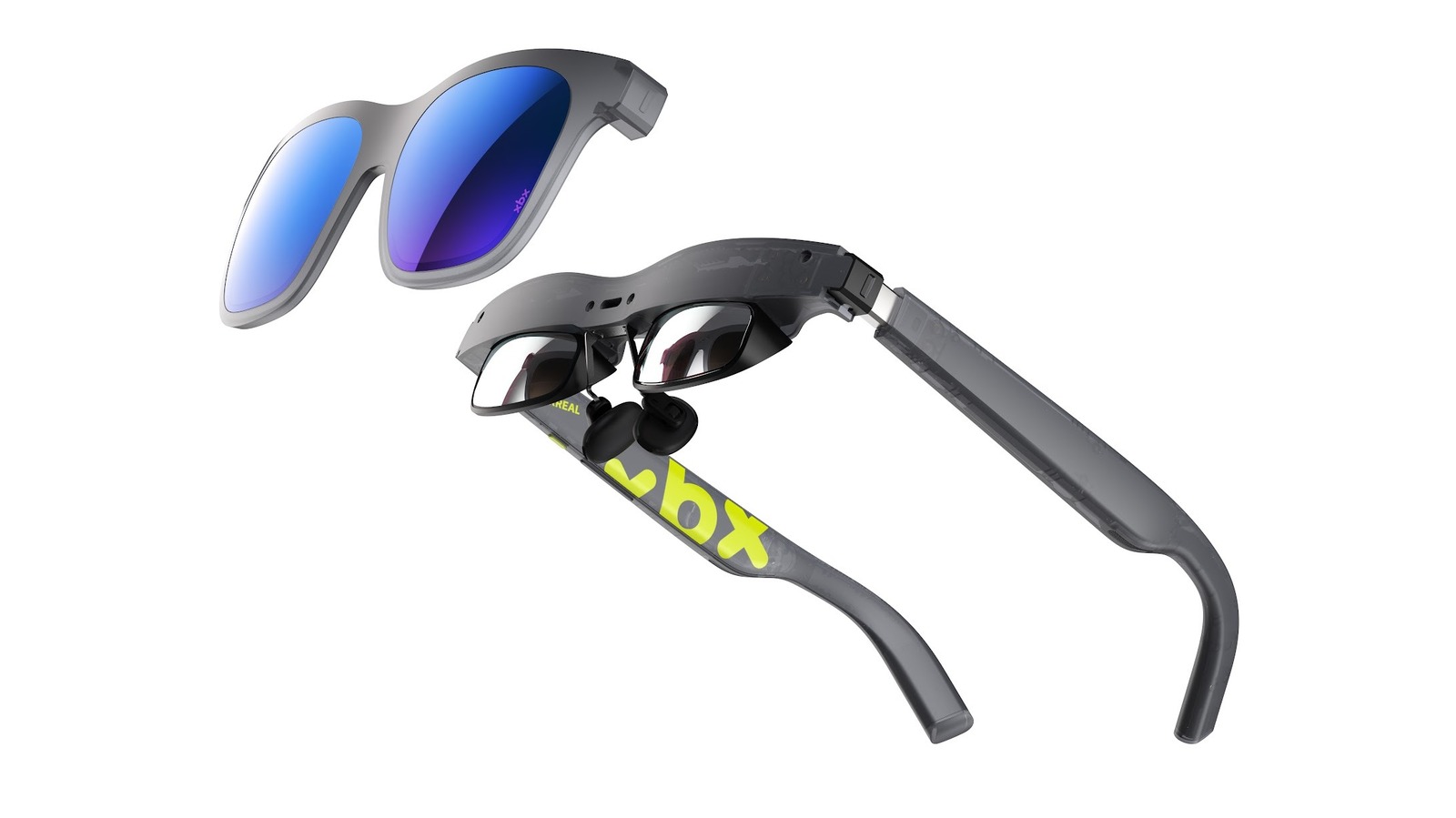
Between last year's CES showcase and Meta's increasing market saturation with Ray-Ban, smart glasses made a modest comeback in 2025. Do not be surprised to see more of them at CES 2026.
We don't have many firm predictions about which companies will show which glasses at CES, but in general, you should expect to see more glasses with built-in displays than in previous years. Those have been at CES for a while now, but it's starting to feel like a device category that might actually be used by regular consumers in the near future, rather than just a far-off tech fantasy. Well, maybe, anyway. It depends on whether tech companies can figure out how to navigate all the horrifying privacy implications of wearing a camera on your face.
AI will be everywhere
Lastly, as a general prediction, expect the term "AI" to be frequently used in relation to any and all of the above device categories. New laptop chips will be optimized for AI applications. Smart glasses and home robots will be powered by AI. New TVs will probably use AI in some way. And, of course, foldable phones will come with AI features built in, just like non-foldable phones do.
Will any of it be especially new or novel? It's impossible to say. We'll find out together soon.
Head to the Mashable CES 2026 hub for the latest news and live updates from the biggest show in tech, where Mashable journalists are reporting live.