




























Bulgaria Adopts the Euro: A Historic Step Toward Economic Integration
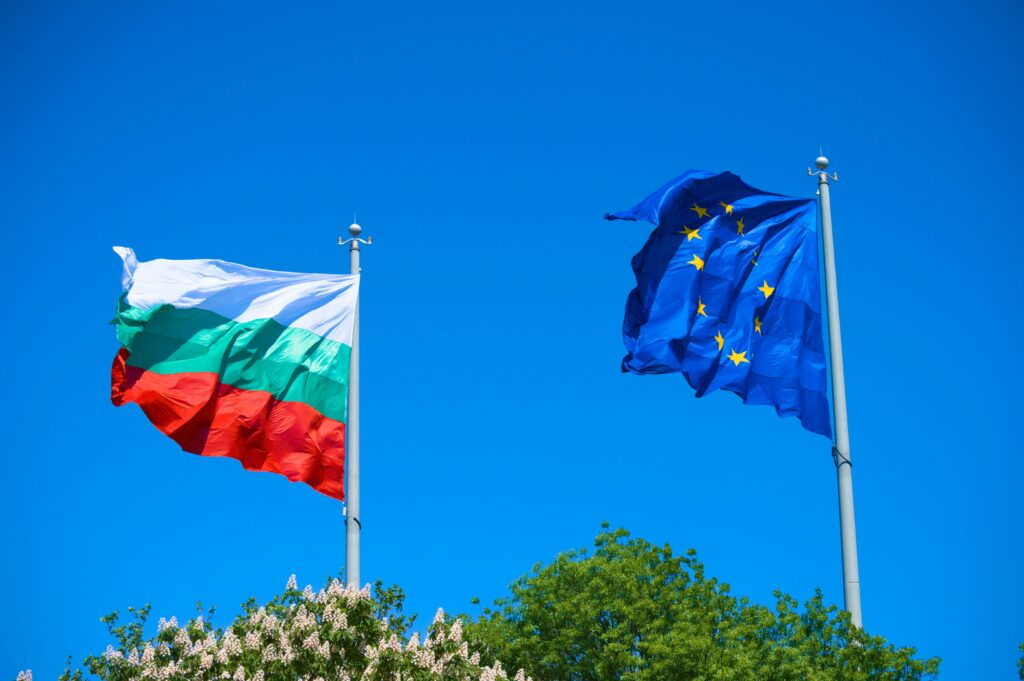
Bulgaria has entered a new chapter in its economic history. On 1 January 2026, the Balkan nation officially adopted the euro, becoming the 21st member of the eurozone nearly two decades after joining the European Union in 2007. The move marks what President Rumen Radev described as the “final step” in Bulgaria’s EU integration—a milestone celebrated with fireworks in Sofia as the clock struck midnight, yet one that has generated both optimism and anxiety among the country’s 6.4 million citizens.
A Long Road to Eurozone Membership
Bulgaria’s journey to euro adoption has been neither simple nor swift. The country committed to joining the eurozone when it entered the EU in 2007, but the path forward was repeatedly delayed by challenges in meeting the strict convergence criteria. Initial plans targeted a 2024 entry, but persistent inflation concerns pushed the timeline back. In June 2024, the European Central Bank confirmed that Bulgaria had failed to meet inflation requirements, forcing yet another postponement.
The breakthrough came in February 2025, when the Bulgarian government formally requested an off-cycle convergence assessment after determining that inflation had finally fallen to acceptable levels. By June 2025, both the European Commission and ECB published reports confirming that Bulgaria had fulfilled all five convergence criteria. The Council of the European Union unanimously approved Bulgaria’s accession in July 2025, setting the stage for the historic transition.
The fixed conversion rate was established at 1.95583 Bulgarian lev per euro, corresponding to the currency’s central rate in the Exchange Rate Mechanism II. This rate had effectively anchored Bulgaria’s monetary policy for years under a currency board arrangement that pegged the lev to the euro since the late 1990s.
Economic Implications and Market Reactions
For Bulgaria, adopting the euro represents far more than a simple currency swap. As the EU’s poorest member state, successive governments have advocated for eurozone membership in hopes of boosting economic growth, attracting foreign investment, and reinforcing the country’s Western orientation amid geopolitical pressures. The move formally integrates Bulgaria into the monetary policy decisions of the ECB, with the Governor of the Bulgarian National Bank now participating as a full member of the ECB’s Governing Council.
The euro adoption also brings Bulgaria into a broader transformation taking place across European markets, where capital is increasingly flowing toward countries and sectors demonstrating strong institutional frameworks and regulatory alignment with EU standards. For international investors, Bulgaria’s eurozone membership eliminates currency risk and simplifies cross-border transactions, potentially making the country more attractive for foreign direct investment in manufacturing, technology, and services.
From a practical standpoint, Bulgarian businesses and consumers now benefit from seamless integration with the eurozone’s payment systems. The country has joined TARGET services, which ensure the free flow of cash, securities, and collateral across Europe. Commercial banks and post offices are offering free currency exchange until June 2026, with the Bulgarian National Bank providing unlimited, fee-free exchanges indefinitely.
Public Sentiment Remains Divided
Despite the official celebrations, Bulgarian public opinion on euro adoption has long been split. According to the latest Eurobarometer survey, 49% of Bulgarians oppose the switch—a significant minority that reflects deep-seated concerns about the practical impacts of the currency change.
The primary worry centers on inflation and purchasing power. Food prices in Bulgaria rose 5% year-on-year in November 2025, more than double the eurozone average. Many Bulgarians fear that euro adoption will accelerate price increases while wages remain stagnant, further eroding living standards in a country already grappling with economic challenges facing Southern and Eastern European economies.
“Unfortunately, prices no longer correspond to those in levs,” pastry shop owner Turgut Ismail told reporters, noting that prices had already begun surging ahead of the official transition. This sentiment reflects a broader anxiety that retailers and businesses will use the currency changeover as cover for unjustified price increases—a pattern observed in previous euro adoptions across the continent.
Political instability has added another layer of uncertainty. Bulgaria recently plunged into crisis after anti-corruption protests toppled a conservative-led government in December 2025, pushing the country toward its eighth election in five years. President Radev himself voiced regret that Bulgarians had not been consulted by referendum on the adoption, describing the absence of public consultation as symptomatic of a “deep divide between the political class and the people.”
Looking Ahead: Challenges and Opportunities
The success of Bulgaria’s euro adoption will ultimately depend on how effectively authorities manage the transition period and address public concerns about inflation. The government has implemented dual price displays for one year to ensure transparency, and authorities are monitoring markets to prevent unjustified price increases.
For the eurozone as a whole, Bulgaria’s accession brings the total number of Europeans using the euro to more than 358 million. The ECB marked the milestone by illuminating its Frankfurt headquarters, symbolizing the integration and unity of the expanded currency bloc.
Bulgaria follows Croatia, which joined the eurozone in 2023, and becomes the latest member of a monetary union that first launched with 12 countries in 2002. As the bloc continues to expand, questions remain about how effectively the ECB can balance the diverse economic needs of member states ranging from wealthy Northern European economies to less developed Southern and Eastern European nations.
For Bulgaria, the euro represents both an opportunity and a test. If the transition delivers the promised economic stability and investment, it could vindicate years of reform and integration efforts. If inflation spirals or living standards decline, it may deepen public skepticism about European integration and economic policy coordination. The coming months will prove decisive in determining which scenario unfolds.
Further Reading
- Europe 2026 Outlook: AI, Cyber, and Market Capital Reallocation
- European Business News Digest Q4 2025: Trends & Insights
- Europe’s Friction Economy: Impact on Business and Trade
The post Bulgaria Adopts the Euro: A Historic Step Toward Economic Integration appeared first on European Business & Finance Magazine.