




























Brussels takes next step in customs reform with EU Customs Authority
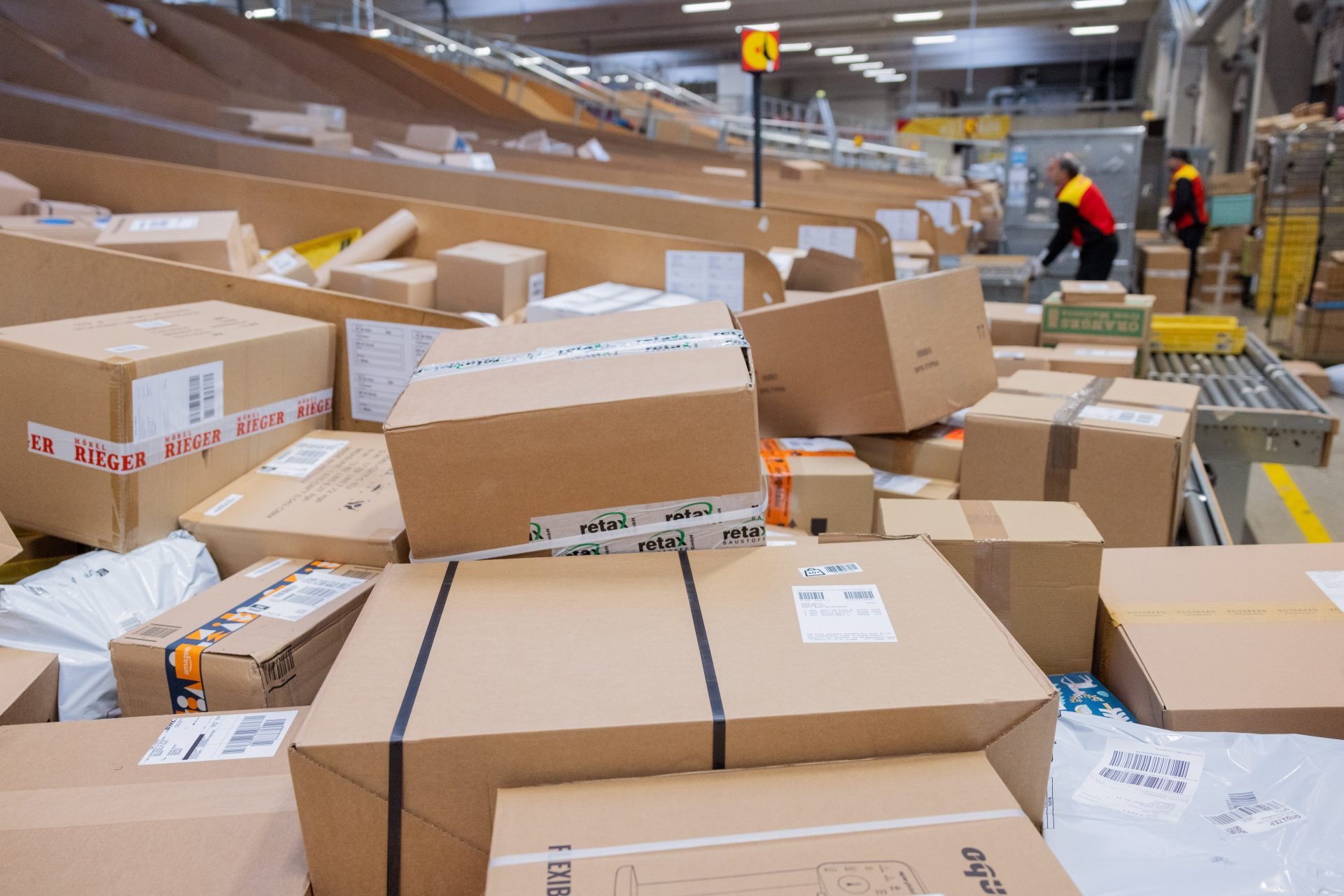
Every day, more than 12 million packages enter the European Union – making it increasingly difficult for customs officers to check for illegal or undeclared goods or assess duties.
Many of those packages are small fry – in 2024, around 4.6 billion packages with a declared value of less than 22 Euro entered the EU. The Commission reported in August that only 0.0082 percent of all imported products were checked by customs authorities.
According to the EU court of auditors, customs checks in some member states are not rigorous enough and the uneven application of rules across the bloc makes fraud easy.
Customs Reform: What’s the plan?
Back in 2023, the European Commission presented proposals for a comprehensive reform with the aim to reduce bureaucracy and respond to challenges such as the steep rise in e-commerce. A central point in the EU’s reform plans is how to manage this enormous flood of packages and parcels that enter the bloc from third countries, in particular China.
A first step in that direction was the introduction of a general fee of 2 Euro for each low-value package (under 150 Euro), effective from April 2026. The EU also plans to abolish the current 150-Euro duty free limit on packages to ensure a level playing field for companies by 2028.
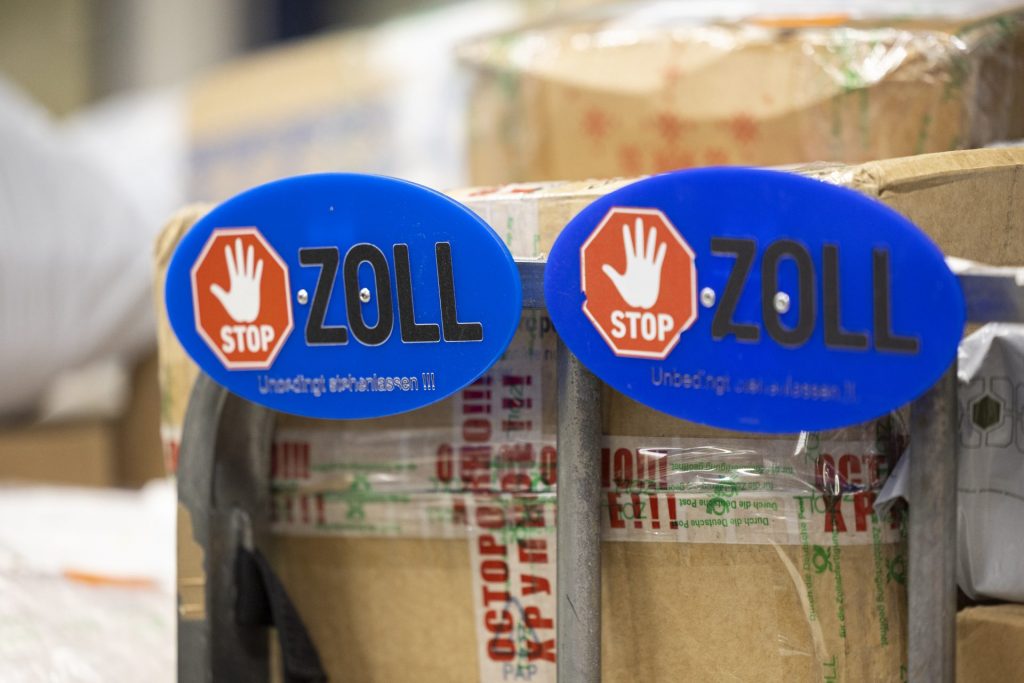
In a nutshell, the reform aims to modernise customs procedures, strengthen cooperation between member states’ customs authorities and improve checks on imports and exports. Furthermore it promises improved collection of duties and taxes and better protection of the internal market.
To this end, there is to be a new EU Customs Data Hub which is to be overseen by the – still to be established – EU Customs Authority (EUCA).
The EUCA is intended to serve as a central hub to support national customs agencies. Once implemented, it will streamline customs procedures, improve the safety of online purchases for EU citizens, and provide national authorities with simpler, more uniform tools.
With this reform in place, a number of benefits should be realised – such as simplified reporting requirements via one single interface – which dovetails with Commission President Ursula von der Leyen’s promises to cut red tape. The EU also envisages savings of up to 2 billion Euro a year as the hub will replace customs IT infrastructure in member states.
EU Customs Authority – Mediterranean or Northern headquarters?
The EU Customs Authority is to be established from 2026, with the European Commission responsible for its launch: First access by companies to the Data Hub is scheduled by 2028, voluntary use of all businesses by 2032 and use becoming obligatory by 2038.
The first key decision will be its location. Nine member states have thrown their hats in the ring. The competitors are Belgium (Liège), Croatia (Zagreb), France (Lille), Italy (Rome), the Netherlands (The Hague), Poland (Warsaw), Portugal (Porto), Romania (Bucharest), and Spain (Málaga).
The EU executive will now assess the nine applications, seeking to ensure that the location will enable the authority to carry out its tasks and powers, recruit highly qualified and specialised staff, and offer training opportunities. A decision is expected around February and will be made together with the member states and the EU Parliament.
The host country must ensure that the location allows the agency to be operational from the date of entry into force of the regulation, offering immediately available buildings, advanced IT and security infrastructure, space for at least 250 employees, high-tech meeting rooms, and a ‘secure area’ for the management of confidential information.
Other criteria include international accessibility, hotel capacity for meetings and conferences, the presence of multilingual schools for staff children, access to healthcare and the labour market for spouses and family members, as well as an additional element of geographical balance – that means staffing represents the EU members’ diversity.
Liège has been put forward as Belgium’s candidate to host EUCA. The bid is backed by the federal government and the Walloon Region.
The application highlights the city’s customs law research centre at the University of Liège, active since 2018, as well as the expertise linked to Liège Airport. The airport’s high volumes of incoming small parcels give researchers and practitioners direct insight into the challenges of international e-commerce flows, supporters of the bid argue.
“Liège is a strategic choice for Europe, a major logistics hub with its cargo airport, its river port and its multimodal connectivity, at the heart of trade flows,” said Pierre-Yves Jeholet, Wallonia’s Economy minister. “This candidacy shows our ambition to strengthen competitiveness, not only in Wallonia, but also in Belgium and in Europe.”
Croatia’s government entered the competition with a location in the capital, Zagreb, currently used by the city’s university. In its bid, it stressed the access to skilled labour, easy access to all EU capitals, good quality of life and one of the most cost-effective hosting environments within the Union.
France nominated Lille, which is only a short train ride from Brussels. France’s candidacy “is driven by France’s commitment to protecting the European Union (EU) internal market, facilitating international trade, and ensuring the competitiveness of our businesses,” a press release said when Lille’s candidacy was announced back in June.
If chosen by the European authorities, France intends to establish this authority in the Euralille business district. “Located at the crossroads of major European logistics and international trade routes, the city of Lille enjoys a strategic location just half an hour from Brussels, the European institutions, and the World Customs Organization,” said Minister of Public Accounts Amélie de Montchalin.
Italy believes it has a strong chance to make Rome EUCA’s new headquarters as its proposal “is based on the expertise gained by the [Italian] Customs and Monopolies Agency (ADM), recognised as one of the most advanced in Europe in terms of digitisation, data integration, fraud prevention, and implementation of the Union Customs Code”, according to a joint statement by the Ministry of Economy and Finance, the Customs Agency, and the Municipality of Rome. Italy also stressed its strategic position in the Mediterranean.
Media in the Netherlands reported that The Hague’s strong international profile with dozens of European and international organisations made the city a good candidate due to already existing infrastructure and collaboration opportunities with bodies such as Europol. Furthermore, The Hague was located near two major logistical hubs – Schipol Airport and the Port of Rotterdam.
Poland’s Finance Minister Andrzej Domański, has assured that Warsaw is “ready, very ready, to take on the task of hosting the headquarters”. He stressed that the customs reform had been one of the priorities of the Polish EU Presidency. Illustrating the strengths of the candidacy, the minister cited “the strategic position and experience in managing EU borders”, a “modern and effective” customs administration, and a cooperation already established with the EU border agency Frontex, whose headquarters are also in Warsaw.
The Portuguese government said back in September that Portugal met the necessary conditions to host the facilities, given the country’s geographical location for transatlantic and intercontinental trade in Europe.
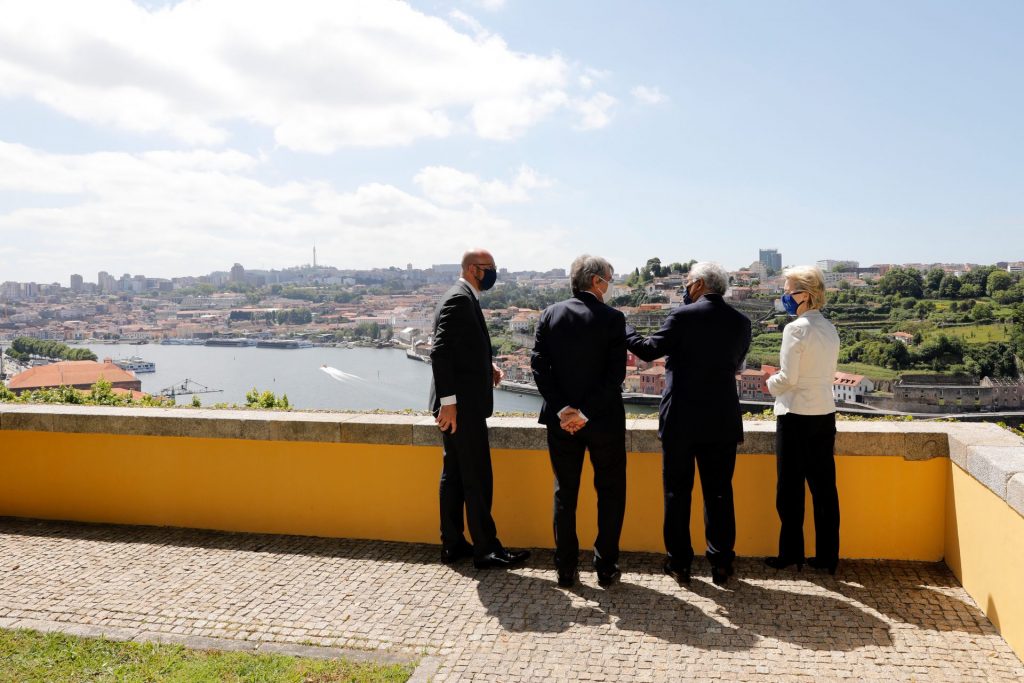
The municipality of Porto argued that its former industrial area has “exceptional conditions” to host EUCA despite admitting the “tough competition” from other cities and obstacles such as difficult access to the housing market given the country’s housing crisis. Portugal had already unsuccessfully competed for the Amsterdam-based European Medicines Agency in 2017.
Romania said in its bid that EUCA should be placed where operational needs, accelerated digitalisation, and the realities of Europe’s borders meet directly. Romania and its capital Bucharest were such a strategic point, with the country being one of the EU members with the longest external border and managing a significant volume of trade flows every year.
Millions of tonnes of goods entered annually through Romania’s customs points, making it a critical operational hub for the EU’s economic security. This reality and the experience Romania has gained in border management and trade flows positioned it as a mature partner who was ready to contribute to the new EU customs architecture, its bid argued.
The Spanish government believes that Málaga on the Costa del Sol meets all the necessary requirements and standards of excellence to host the new agency, and has specifically highlighted its good technical and logistical conditions, such as its advanced telecommunications infrastructure.
In this way, Spain is attempting to secure the headquarters of a new EU agency barely a year after unsuccessfully bidding for the European Anti-Money Laundering Authority (AMLA), which is now based in Frankfurt.
Member States – What are their priorities?
“Safer trade means a safer Europe,” Domański said, explaining that a “strong and resilient” customs union guarantees the protection of the internal market, consumer safety, and stable economic development.
But how to go about those joint trade and customs policies is still a bone of contention.
Europe should protect certain strategic sectors, such as the steel industry, but at the same time remain open to high value-added investments from other countries, outgoing Czech Industry Minister Lukáš Vlček said on Monday in Brussels after talks with his colleagues from other EU countries.
Czechia is one of the most vocal countries opposing proposals for the EU to purchase only products “made in Europe”. This position is being promoted mainly by France.
The European Commission originally planned to publish an initiative this month aimed at prioritising products manufactured in Europe. However, it met with resistance from among others – the Czechs, Slovaks, Irish, Swedes and Latvians. The EC eventually decided to postpone the proposal until January 28, according to the Financial Times.
In a document circulated by the Czechs it’s stated that any form of European preference should avoid unintended consequences for the openness or integrity of the single market.
This article is an ENR Key Story. The content is based on information published by ENR participating agencies.