
























Brussels Raided a Chocolate Giant Yesterday and Nobody Will Say Who — Here’s Why It Matters

Quick Answer
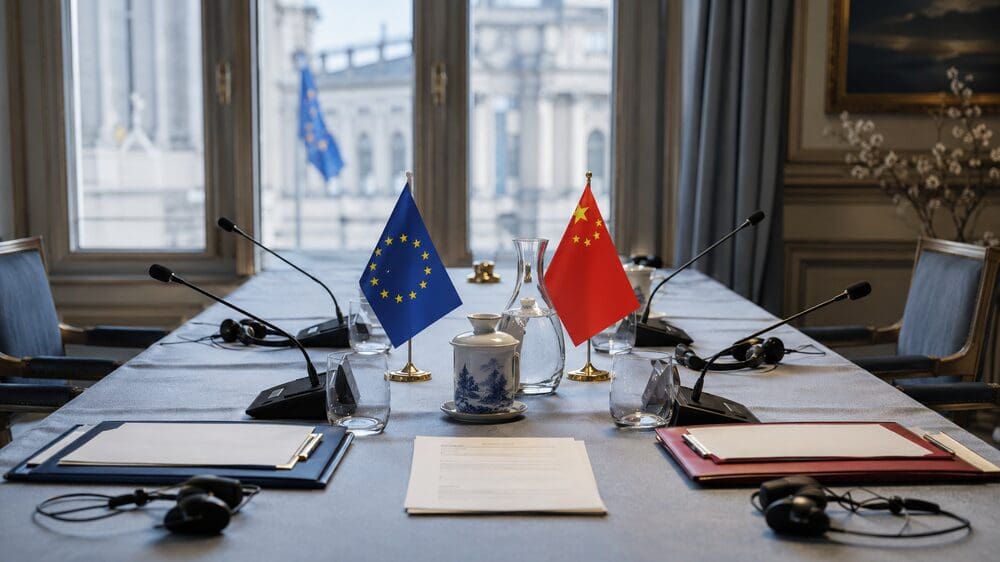
The European Commission carried out unannounced dawn raids on April 13, 2026 on the premises of an unnamed chocolate confectionery company across two EU member states, investigating suspected violations of antitrust rules including cartel behaviour, abuse of dominant market position and restrictions on cross-border trade within the Single Market. Both Nestlé and Mondelēz have confirmed they were not the target of the raids. The Commission has declined to name the company, the countries involved or set a deadline for completing the investigation.
EBM Exclusive Take
The Commission’s refusal to name the company is standard procedure — but the decision by both Nestlé and Mondelēz to publicly distance themselves from the raids within hours is not. That those two companies felt compelled to issue statements tells you something about the reputational stakes of being associated with an EU antitrust raid in the current enforcement climate — and about how seriously the Commission’s intensifying scrutiny of the FMCG sector is being taken in boardrooms across Europe. Whoever was raided yesterday now faces a process that, in Mondelēz’s case, ran for nearly five years and ended with a €337.5 million fine.
What the Commission Said — and Didn’t Say
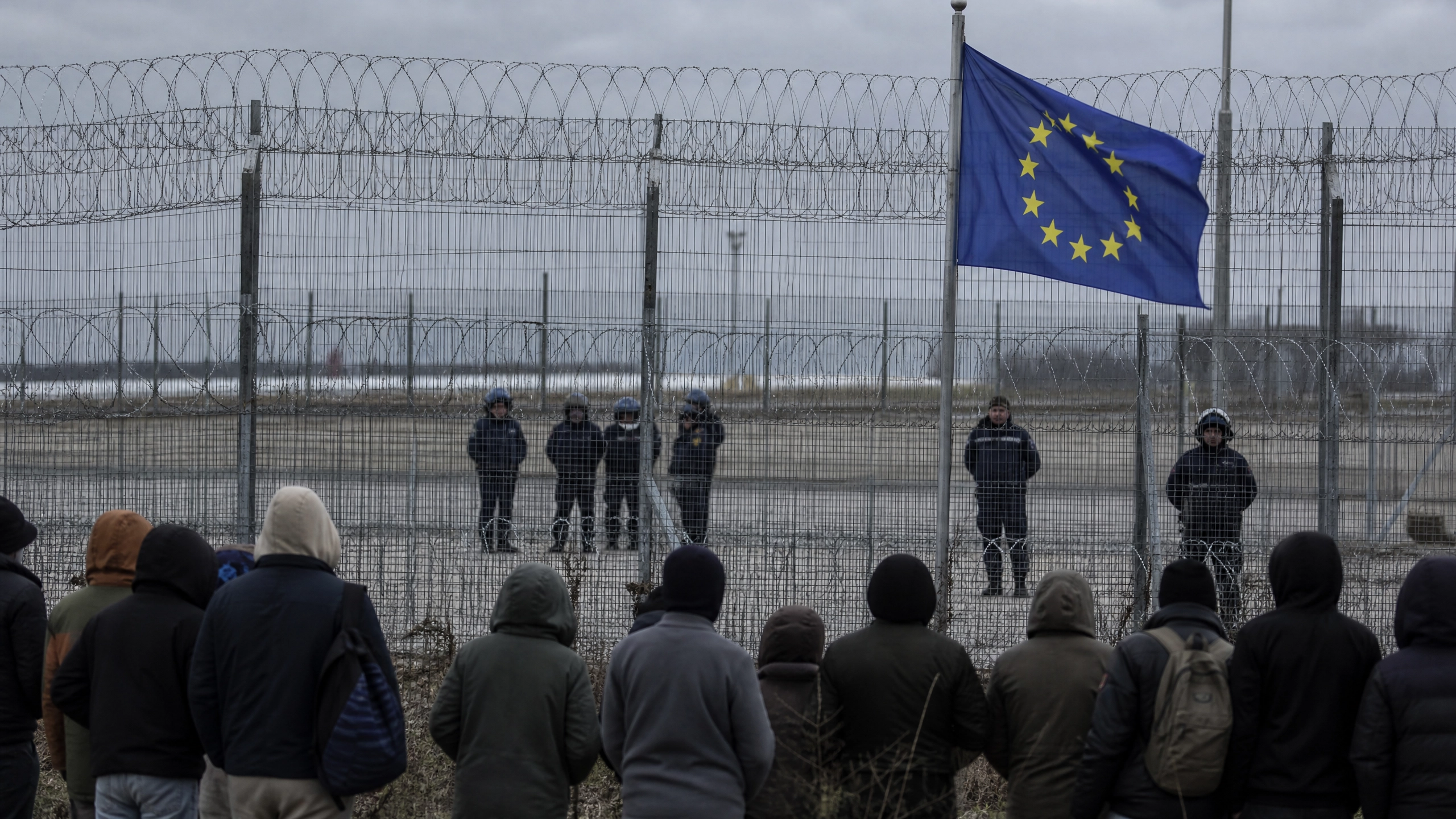
Brussels investigators raided the premises of a chocolate maker in two EU countries on April 13 over concerns the firm may have violated the bloc’s antitrust rules. The surprise inspections targeted a company active in the chocolate confectionery sector, with the Commission declining to disclose the name of the firm or the countries involved.
The Commission is investigating possible market segmentation in the form of restrictions on the trade of goods between Member States in the Single Market and obstacles to multi-country purchases — conduct that would violate Articles 101 and 102 of the Treaty on the Functioning of the European Union.
The Commission was careful to note that unannounced inspections are a preliminary investigatory step and do not mean the company is guilty of anticompetitive behaviour. There is no legal deadline to complete the inquiry.
The Mondelēz Precedent That Explains Everything
The raids did not happen in isolation. They follow a pattern of intensifying EU enforcement action against major food and confectionery companies that has been building for years.
Mondelēz was fined €337.5 million by the European Commission for engaging in 22 anticompetitive agreements or concerted practices, including territorial restrictions on wholesalers and distributors, preventing them from reselling Mondelēz products to certain territories between 2012 and 2019. The investigation that led to that fine began with unannounced raids in November 2019 — nearly five years before the fine was ultimately issued.
The mechanics of what Mondelēz was found to have done are directly relevant to what the Commission is now investigating in the unnamed company. Mondelēz ensured that prices remained high by agreeing with traders whether or not they could sell in specific EU territories, blocked exclusive distributors from selling its products to consumers in other EU countries, and removed products from certain national markets to prevent cheaper cross-border arbitrage.
That is precisely the pattern — territorial supply constraints, market segmentation, obstacles to multi-country purchases — that the Commission says it is now investigating again.
Who Is the Mystery Company?
The Commission has not said and is not required to. The speculation that immediately attached to Nestlé and Mondelēz — the two largest chocolate companies operating across Europe — was predictable given both companies’ scale and the history of enforcement in the sector. Both moved quickly to deny involvement.
The raids are part of the EU’s intensified enforcement of antitrust rules relating to FMCG firms, following recent high-profile cases including Mondelēz’s €337.5 million fine in May 2024 for restricting cross-border trade. The remaining major players with significant cross-border European chocolate operations include Mars, Ferrero and Lindt — none of whom have commented publicly.
The Commission’s focus on “obstacles to multi-country purchases” suggests the investigation centres on a company with dominant positions in specific national markets, using that dominance to prevent retailers or wholesalers from sourcing products more cheaply across borders — the same structural practice that cost Mondelēz so heavily.
What It Means for European Food and Consumer Goods Companies
The broader message from Brussels is one that European consumer goods executives cannot afford to ignore. The Commission has now demonstrated twice in quick succession — through the Mondelēz fine and now these fresh raids — that territorial supply constraints in the Single Market are an active enforcement priority, not a theoretical risk.
The Commission’s action signals heightened scrutiny of major confectionery players to preserve the Single Market’s integrity and deter practices that fragment EU internal trade. For any food company operating across multiple European markets with different national pricing structures, the compliance implications are significant and immediate.
The unnamed company now faces what could be a multi-year investigation. The Commission has no legal deadline. And if the Mondelēz case is any guide, the fine at the end of it will be measured in hundreds of millions of euros.
Related Analysis
The post Brussels Raided a Chocolate Giant Yesterday and Nobody Will Say Who — Here’s Why It Matters appeared first on European Business Magazine.