
























British Steel Is Bleeding £1.3 Million a Day of Public Money — and Nobody Knows How to Stop It
Quick Answer: The UK government has spent £377 million keeping British Steel’s Scunthorpe blast furnaces running since its emergency intervention in April 2025, at a cost of £1.3 million per day with no set budget, repayment schedule or end date. The National Audit Office warns costs could reach £615 million by June 2026 and exceed £1.5 billion by 2028. Full nationalisation — which the government has so far resisted — is increasingly the only realistic option remaining.
How Britain Got Here
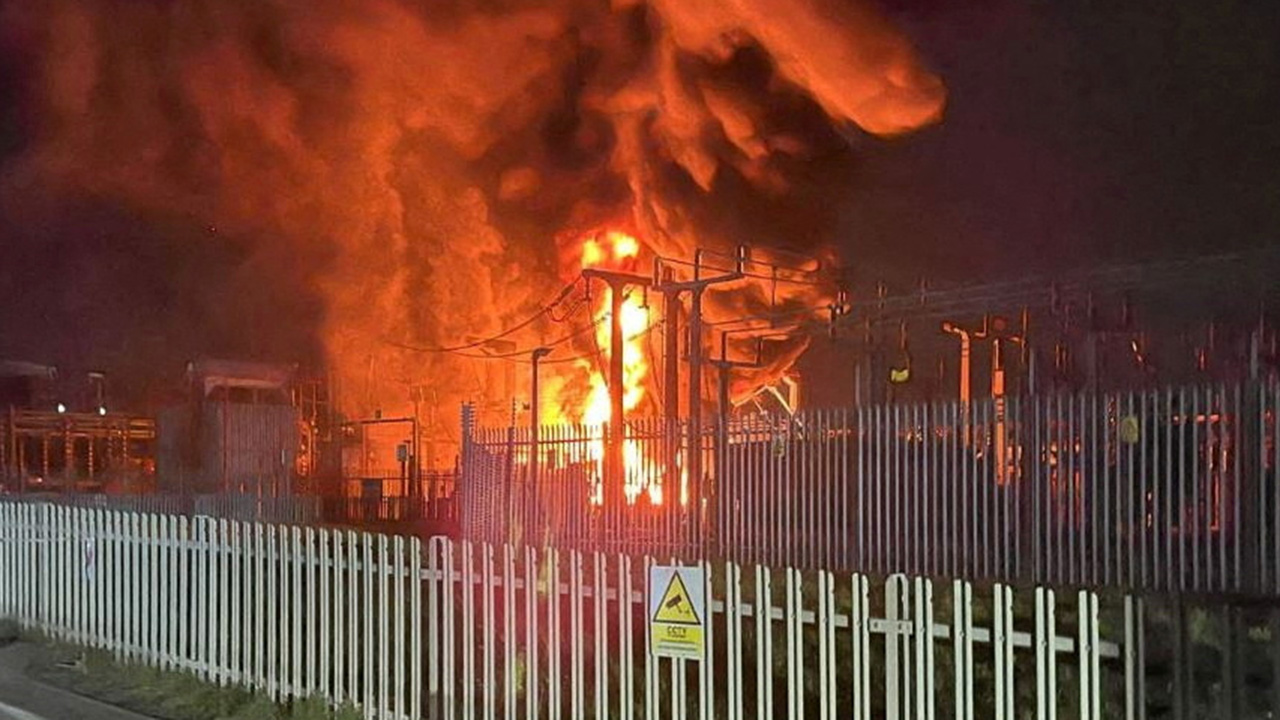
The story of British Steel’s current crisis is a compressed history of British industrial policy at its most conflicted. The Scunthorpe plant — the UK’s last integrated steelmaking operation and the only remaining source of virgin steel in the country — was bought by Chinese firm Jingye Group in 2020 for a nominal fee, with pledges of substantial investment. What followed was five years of mounting losses, repeated government negotiations, and ultimately a standoff that ended with Parliament being recalled from its Easter recess on a Saturday in April 2025 to pass emergency legislation.
Jingye, losing £700,000 a day, had been requesting £1 billion in government support to transition the furnaces to electric arc production. The government offered £500 million. Jingye rejected it and began moving toward closure. With raw material stocks running critically low — and blast furnaces, once shut down, almost impossible to restart without enormous cost — the government blinked first and passed the Steel Industry (Special Measures) Act 2025, effectively taking operational control of the plant.
The Numbers That Make Nationalisation Inevitable
The National Audit Office has confirmed the government spent £377 million between April 2025 and January 2026 to keep the site operational, costing approximately £1.3 million per day with no set budget, repayment schedule or end date. HM Revenue and Customs Spending is expected to reach £615 million by June 2026. If it continues at current rates, the NAO warns it could exceed £1.5 billion by 2028.
The loan is classified as a debt to the Crown — but the NAO is explicit that it is not apparent British Steel will be able to repay it. The government was not allocated funding for the intervention at the Spending Review and has been forced to reallocate resources from existing Department for Business and Trade budgets. There is no exit strategy. There is no private buyer on the horizon. There is no agreed transition plan for Scunthorpe specifically — the UK Steel Strategy published in March 2026 addressed the sector broadly but left Scunthorpe without a clear path.
Why the Government Cannot Walk Away
The strategic case for keeping the furnaces running is not merely sentimental. Scunthorpe supplies 95% of the UK’s rail tracks. Without it, Britain would become the only G7 nation incapable of producing virgin steel — made directly from raw materials rather than recycled scrap. In a world where Russia’s posture toward Europe has fundamentally shifted the national security calculus and where supply chain sovereignty has become a strategic priority, allowing the UK’s last primary steelmaking capability to disappear carries risks that go well beyond the 3,500 jobs directly at stake.
The Business Secretary Jonathan Reynolds told Parliament that full nationalisation was “increasingly likely” given the conduct of the current owners. The government has since sought to moderate that language, stating it prefers to find private investors. But with Jingye now expected to receive a compensation package reported to be below £100 million to exit — effectively writing off years of losses — the realistic universe of willing buyers for a loss-making plant burning £1.3 million a day is vanishingly small.
The Political Dimension
British Steel has become a political litmus test that cuts across conventional party lines. As Europe’s industrial base faces mounting pressure from the Iran war energy shock and global trade disruption, the argument for industrial policy intervention is stronger than it has been in decades. Reform UK’s Nigel Farage called for nationalisation from the right. The Community union, which represents most steelworkers, has backed public ownership as the only viable path. Even the shadow business secretary’s criticism focused not on the principle of intervention but on the government’s failure to reach a deal earlier.
The diplomatic dimension adds further complexity. Business Secretary Reynolds made clear he would not invite a Chinese company into the British steel industry in future, citing the sensitivity of steel as a strategic asset. That comment prompted a sharp response from Beijing. Whether it permanently alters UK-China trade relations or is quietly walked back remains to be seen — but it signals a hardening of the government’s position on strategic industrial ownership that has implications well beyond Scunthorpe.
What Comes Next
Options under consideration include a commercial partnership, a transfer of ownership, or a long-term conversion of the blast furnaces to electric arc technology — a process that would itself require significant public funding and years of transition. The UK Steel Strategy 2026 has been described by analysts as providing meaningful clarity for most of the sector while leaving Scunthorpe specifically without a transition plan.
The trajectory points in one direction. The government is already the effective operator of British Steel. It is funding its payroll, its raw materials and its energy costs. As Britain navigates the most consequential restructuring of its industrial base since Thatcher, the question is no longer whether taxpayers will own British Steel. It is what they will do with it once the political cost of admitting that becomes unavoidable.
The post British Steel Is Bleeding £1.3 Million a Day of Public Money — and Nobody Knows How to Stop It appeared first on European Business & Finance Magazine.