




















Babiš: The EU should take the Western Balkan countries into Schengen first and then address enlargement
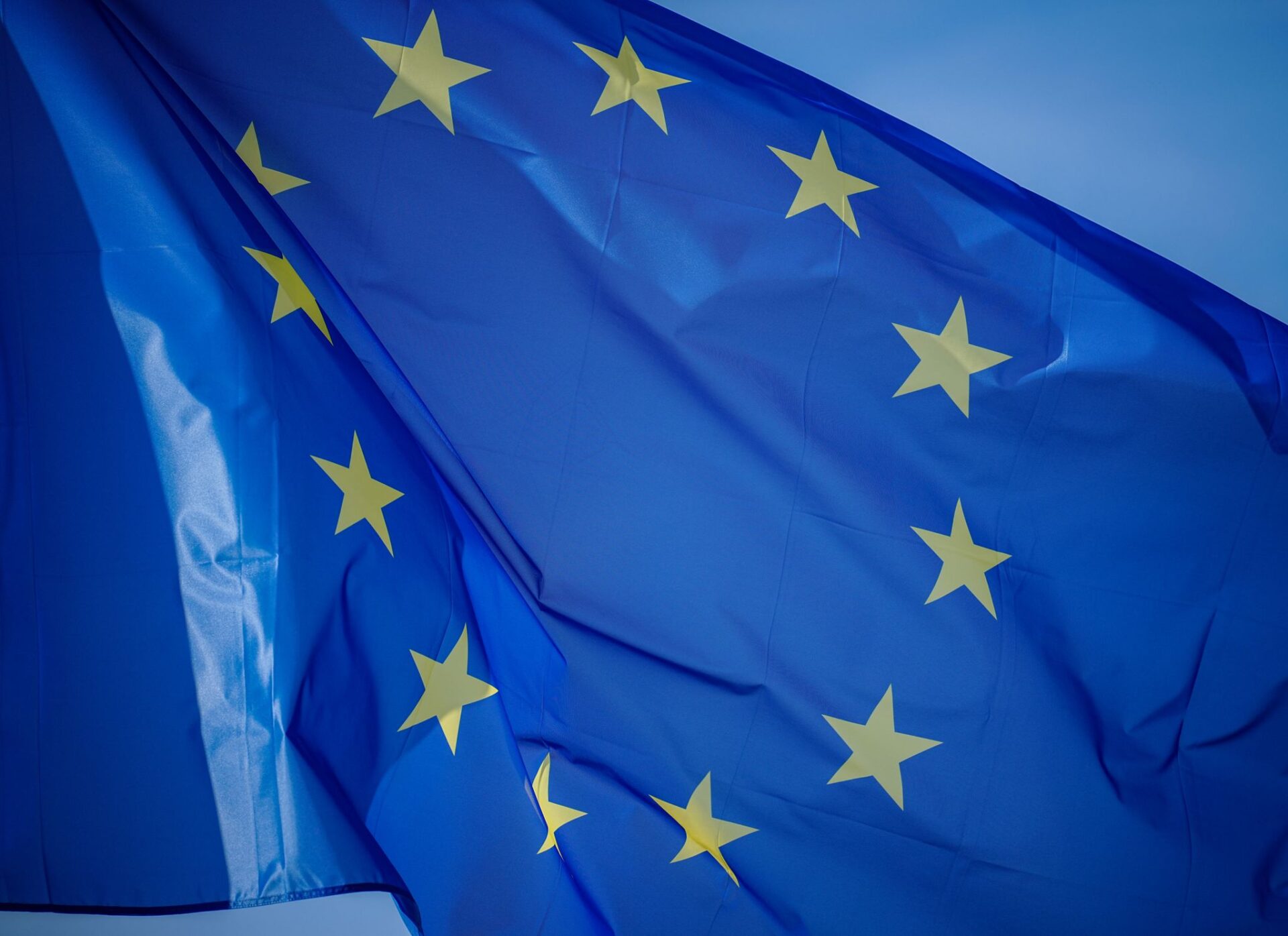
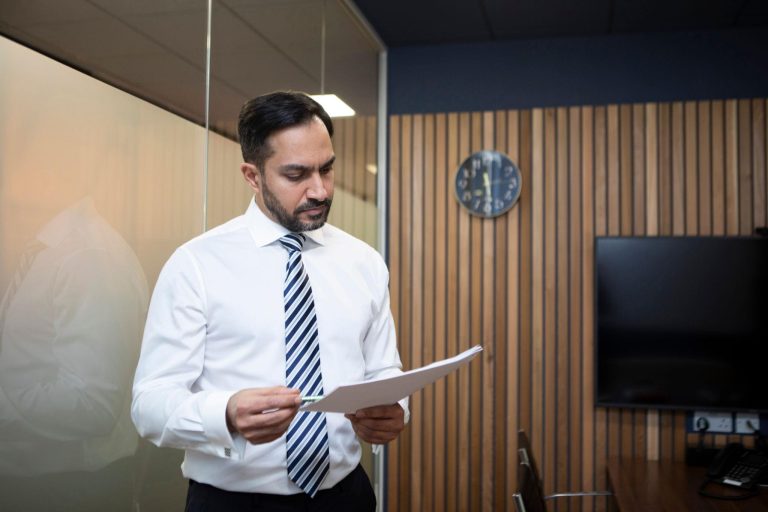
Prague – According to Czech Prime Minister Andrej Babiš (ANO), the negotiations on the enlargement of the European Union to include the countries of the Western Balkans are taking unnecessarily long. He told this to journalists before departing for Brussels, where he will take part this evening in a summit of the EU and the countries of the Western Balkans. In his view, it would be better if these countries first joined Schengen.
Albania, Bosnia and Herzegovina, Montenegro, Kosovo, North Macedonia and Serbia are seeking to join the union. “I have always taken the position that it is necessary to first bring these countries into the Schengen area. It is a question of security, so that we protect Europe at the external border, and only then negotiate entry into the European Union,” Babiš said. According to him, the accession talks are taking “terribly long.” “Sometimes I have the feeling that in those four years nothing has changed,” thinks Babiš, who returned to the post of prime minister last week after four years.
The process of integrating the Western Balkans into the union gained momentum after the start of the Russian invasion of Ukraine in 2022. EU officials justify this mainly by the strategic importance that this region, prone to instability, has for the EU. In the most advanced phase among the six Western Balkan countries is Montenegro, which would like to conclude the accession negotiations as early as next year and join the union in 2028.
Babiš will attend on Thursday his first European Union summit since being appointed prime minister. He considers the main topic of Thursday’s summit of the twenty-seven to be negotiations on financing Ukraine. According to Babiš, the European Union should secure money for Ukraine as in the past, that is, through a loan on the financial markets. The second option that European leaders will consider is a reparations loan secured by frozen Russian assets. However, Babiš would rather use these for reparations after the end of the war. “It is clear that Russia must pay reparations, it is clear that Russia attacked Ukraine and will have to pay for the damage,” he said before today’s departure for Brussels. (17 December)